How did I end up in the Ecuadorian Jungle? I had wanted to do a longer volunteering project for many years. I had already completed a one-month ESC project in the Czech Republic and had some other volunteering experiences and every time they were impactful experiences. So when the Humanitarian Aid programme was created I was really excited.
When I finished my Master’s degree last year (and I was also not completely happy with my current job and was thinking about quitting) I thought “now is the opportunity” and I started looking for projects. At that point I didn’t have a concrete idea of where I wanted to go or what kind of project I wanted to work on but South America had interested me for a long time because of its nature, cultures and the Spanish language, so I focused a little more on this region during my search.
Then I found the “EU VOWERS” project and was immediately excited. Living and working with an Indigenous community in the Ecuadorian Amazon? That sounded incredibly interesting. Apart from the opportunity to spend time in nature and learn more about Indigenous culture, another important factor for me was that the project did not require a particular level of Spanish. So I went through the application process - and yay, it was a match. I was about to go to the jungle!
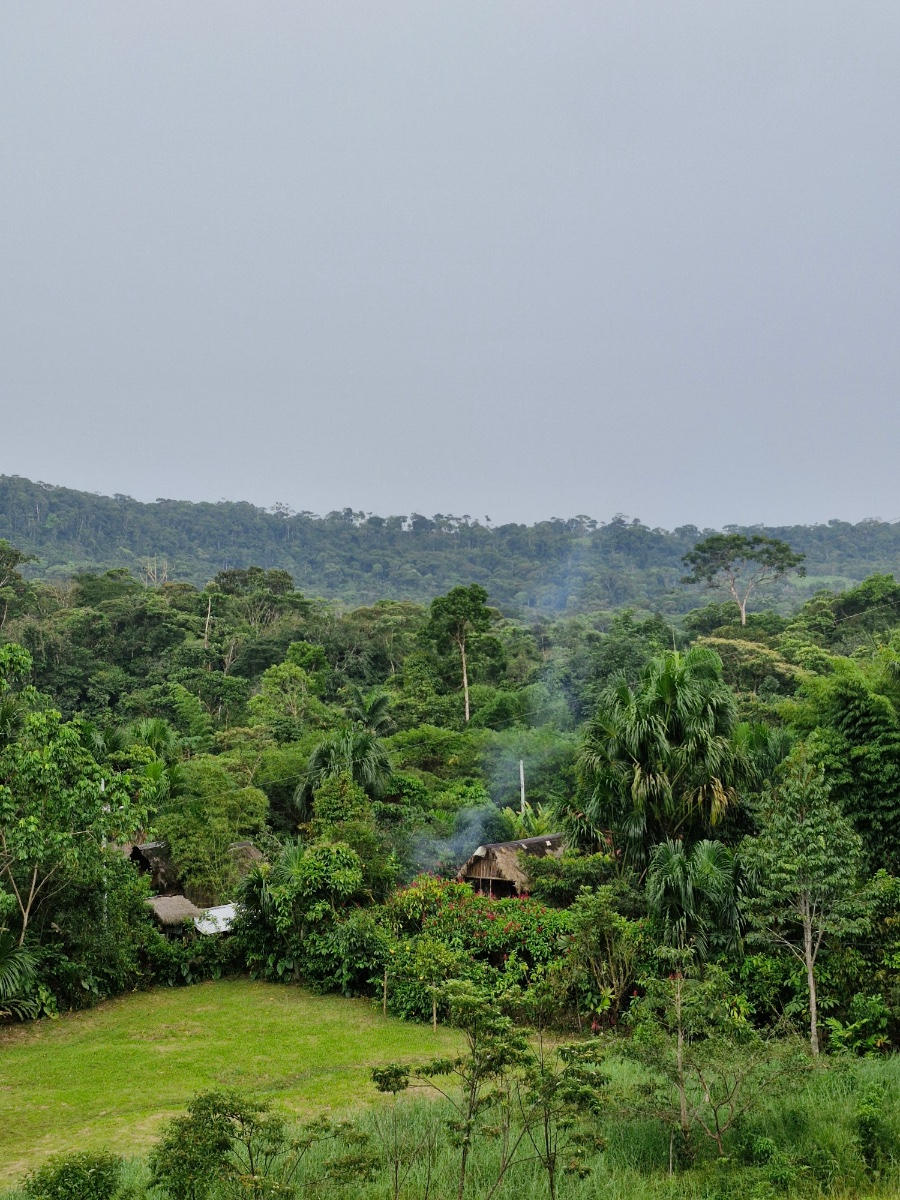
The rainforest around the community
From machetes to chocolate
The community welcomed me warmly and always made me feel like part of the family very fast, even though I could not communicate a lot. My tasks - or rather, our tasks, as there were at all times between two and five volunteers in the project - were diverse, and we had a lot of freedom to shape the volunteering experience ourselves. At times this was a little overwhelming for me because I wanted to be as useful as possible, but I didn’t always know what was needed. At the same time, having this freedom was also very nice and gave us the opportunity to get involved in many different ways.
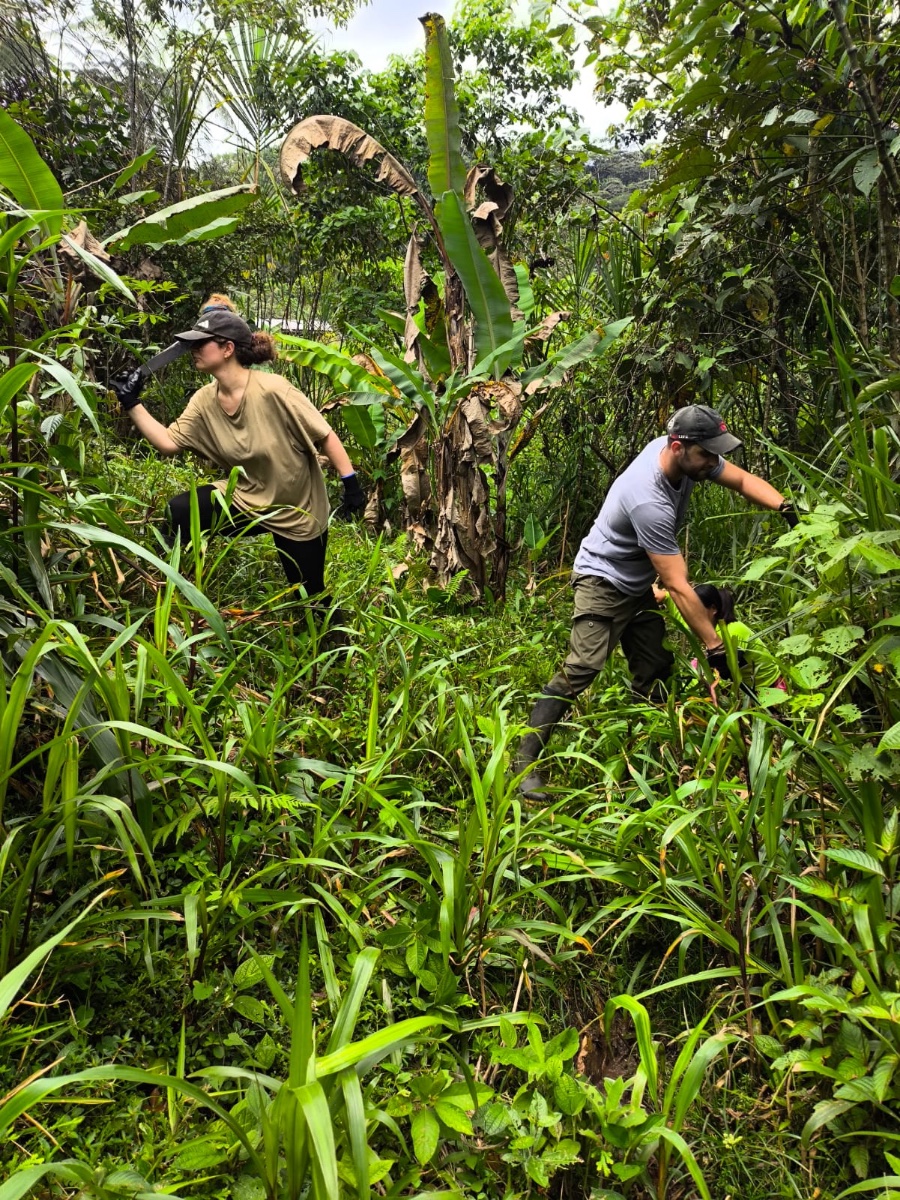
Working with a machete
We took part in everyday life and helped with whatever needed to be done. This included taking care of common areas, maintaining paths, helping with agriculture (from preparing the soil to planting and harvesting) as well as working in the kitchen and with tourism, preparing ceremonies and repairing roofs, houses and paths. I learned how to use a machete, the most used tool in the jungle.
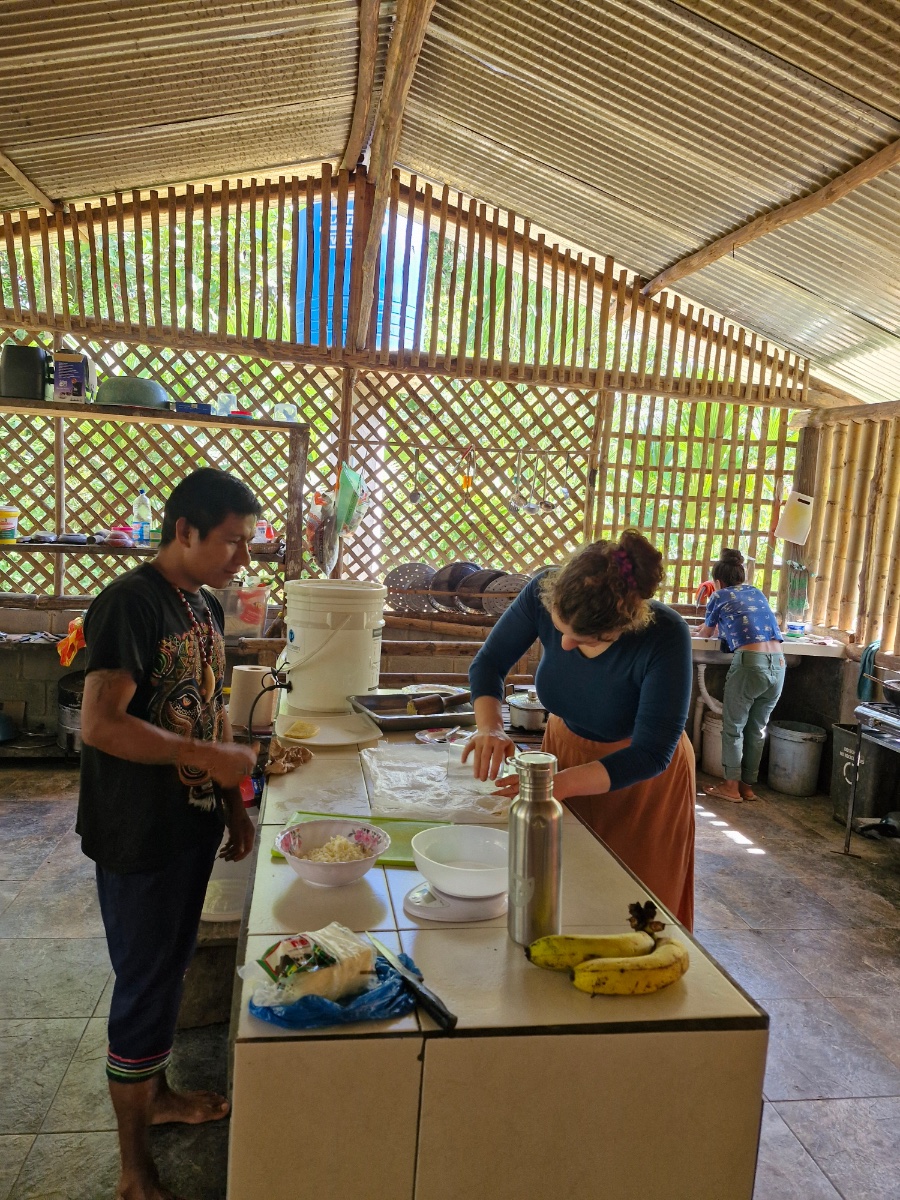
Cooking together
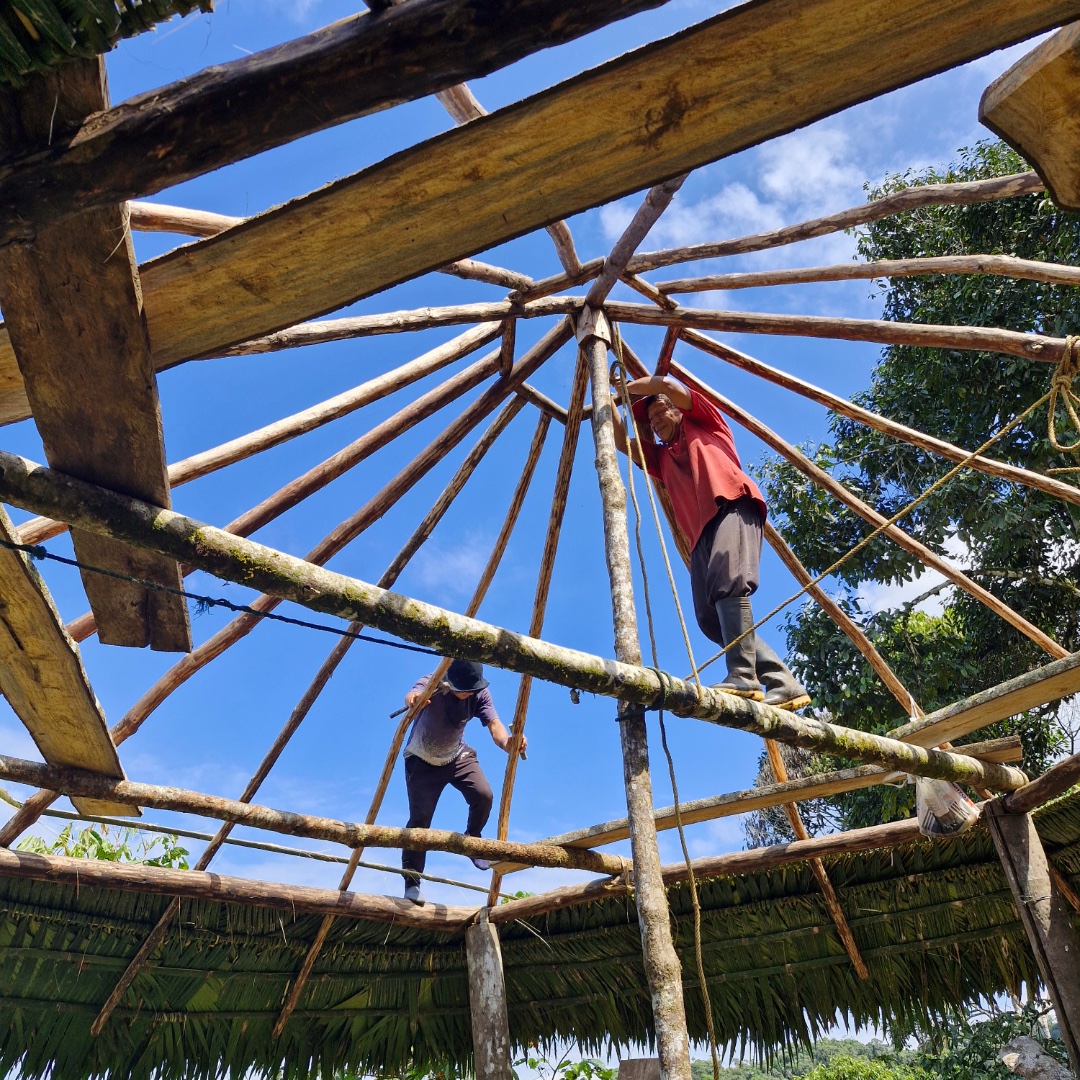
We helped build a roof, carried firewood from the forest, brought supplies to the community and much more. We also learned how to traditionally make chocolate, jewellery, clothing and pottery, and took part in preparing and celebrating festivals. One thing I also really enjoyed was teaching English on a regular basis. Most of the time, we held group lessons for the children in the community, but sometimes we also had individual lessons with adults. We also developed educational materials, including a book about the biodiversity of the local area and a concept for an educational nature trail.
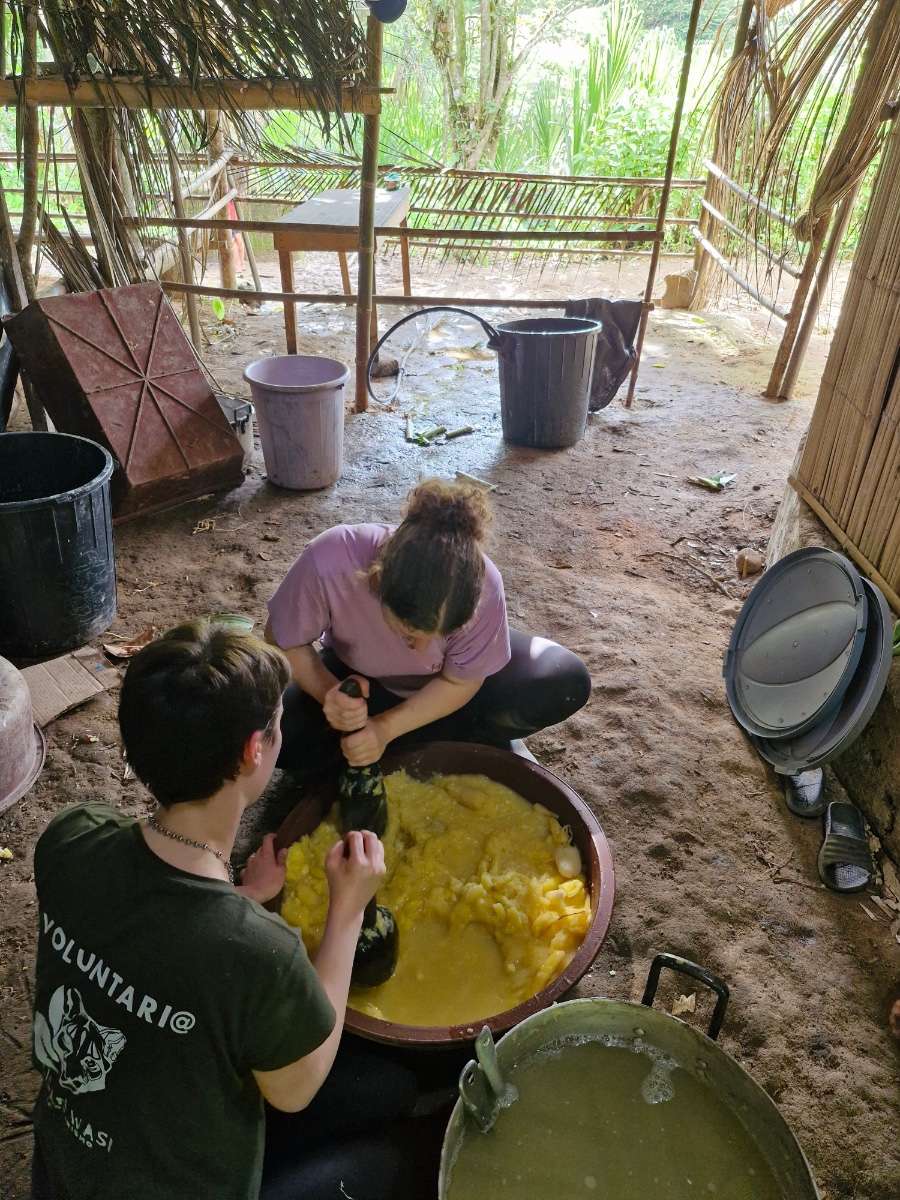
Preparing food together
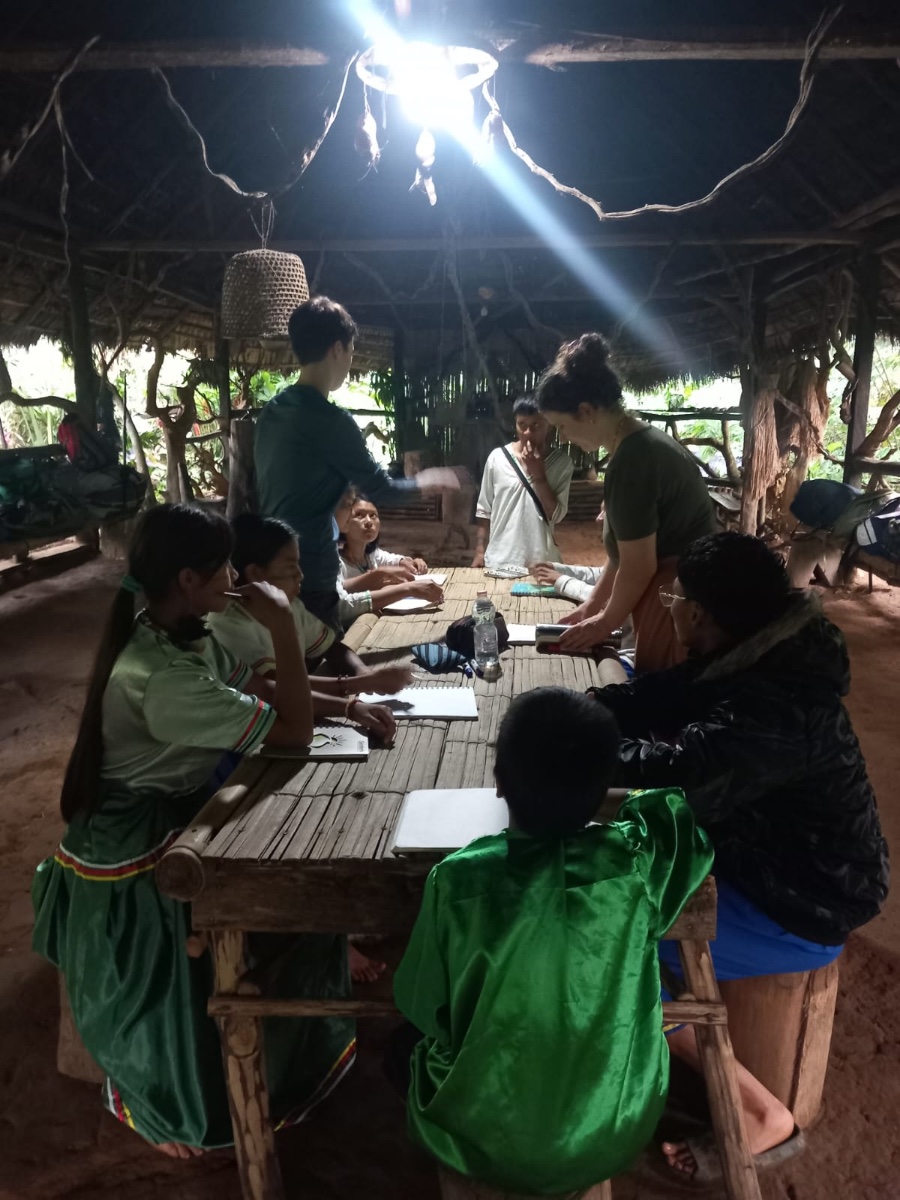
An English lesson
Expectations and surprises
I expected the biodiversity to be breathtaking, but I was still stunned every single day by how beautiful, fascinating and different everything was. Also the rhythm of everyday life, the structures within the community and the way people communicated were different from what I was used to from my life at home. I had expected some differences, of course, but they still surprised me at times. The community itself was also a bit smaller than I had expected. A not so nice surprise was that a few of my things started to grow mold due to the humidity and a very nice surprise were the sounds of the forest.
I did not know how loud the jungle is and now that I am back home I miss it a lot.
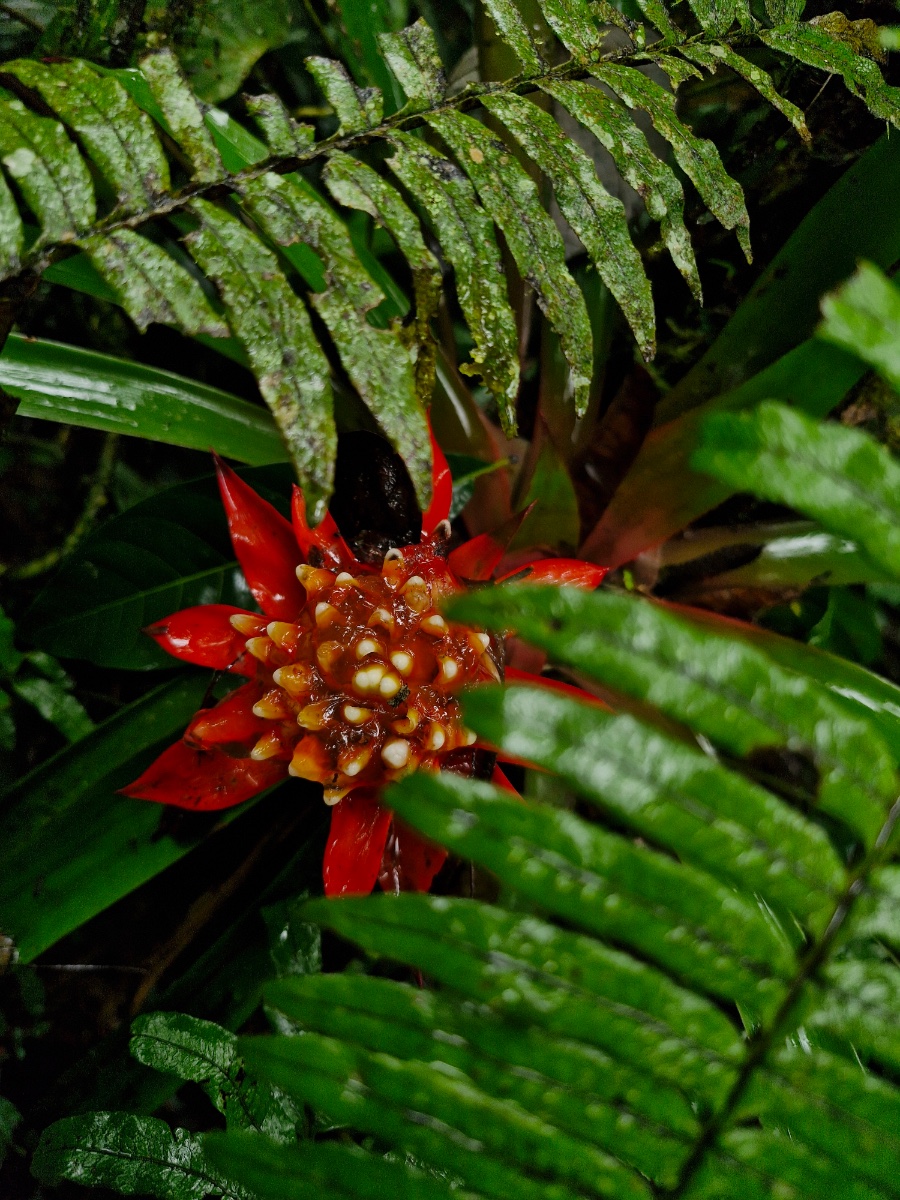
The colours of the rainforest
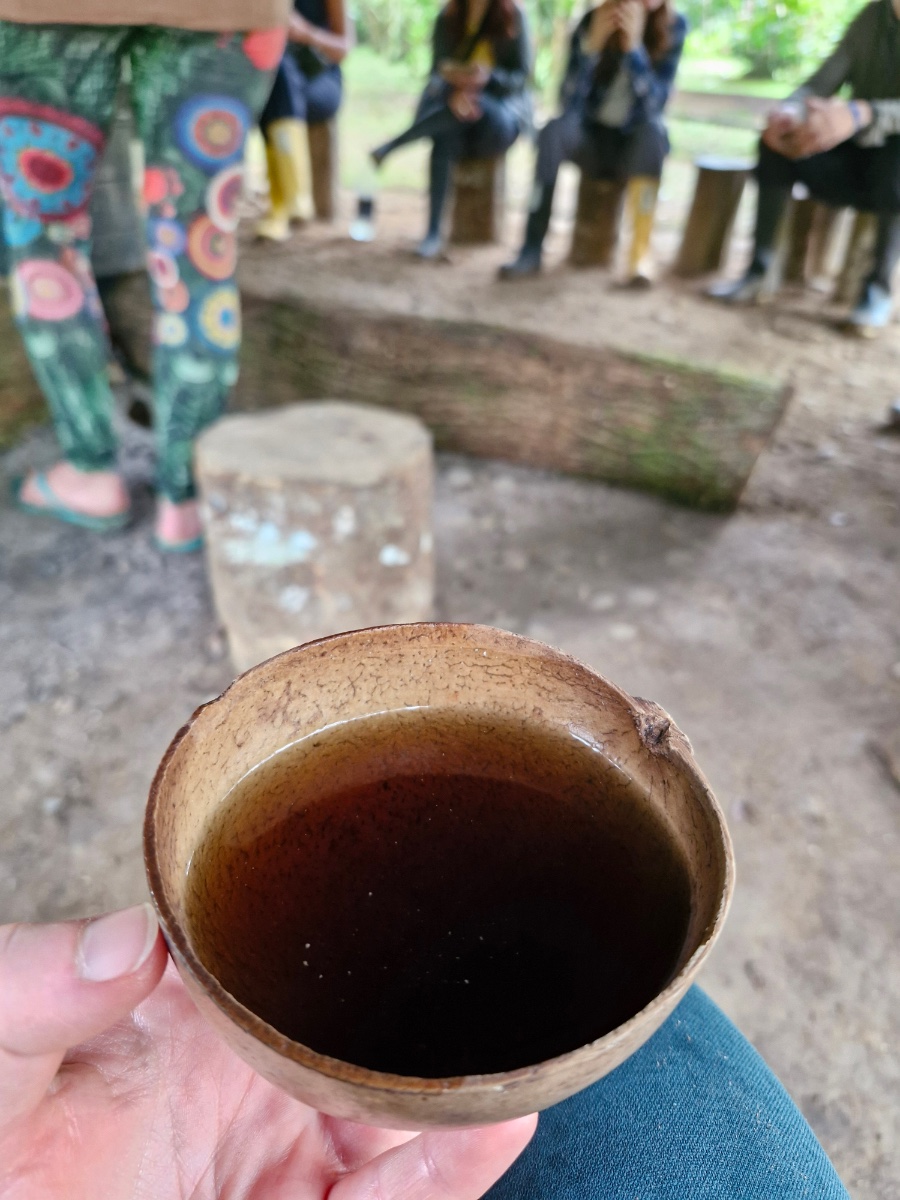
Sitting together in a circle
What about safety?
At the time I was there, Ecuador was considered a somewhat unsafe country in some respects. However, I never experienced this in the small place in the forest where I lived. In general, I also felt safe while travelling around the country. Still, I would always recommend listening to local people and discussing travel plans with the organisation responsible. All the organisations involved - KERIC as the sending organisation in Europe, VASE as the receiving organisation and Despierta as the organisation coordinating the placement - offered good guidance and help within the project. They were reliable, and I always felt supported.
The people who supported me
Many people in the community supported me during my time there. Especially Puma, the leader of the community, but also the children, who were incredibly open and hardly let the language barrier stop them from playing with us. The other volunteers were also very important to me. Sharing the experience, exchanging ideas and debriefing together was a really valuable part of my volunteering.
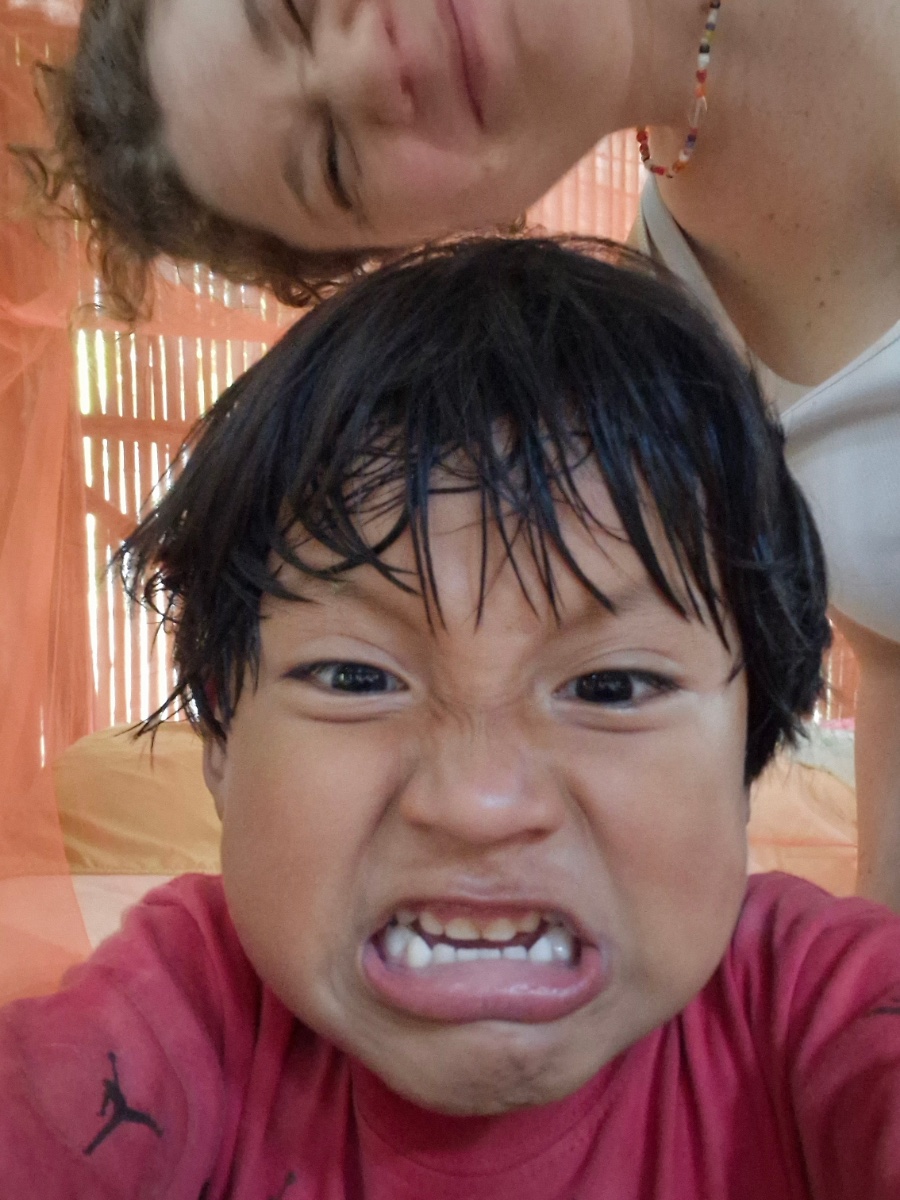
The children were not afraid of the language barrier
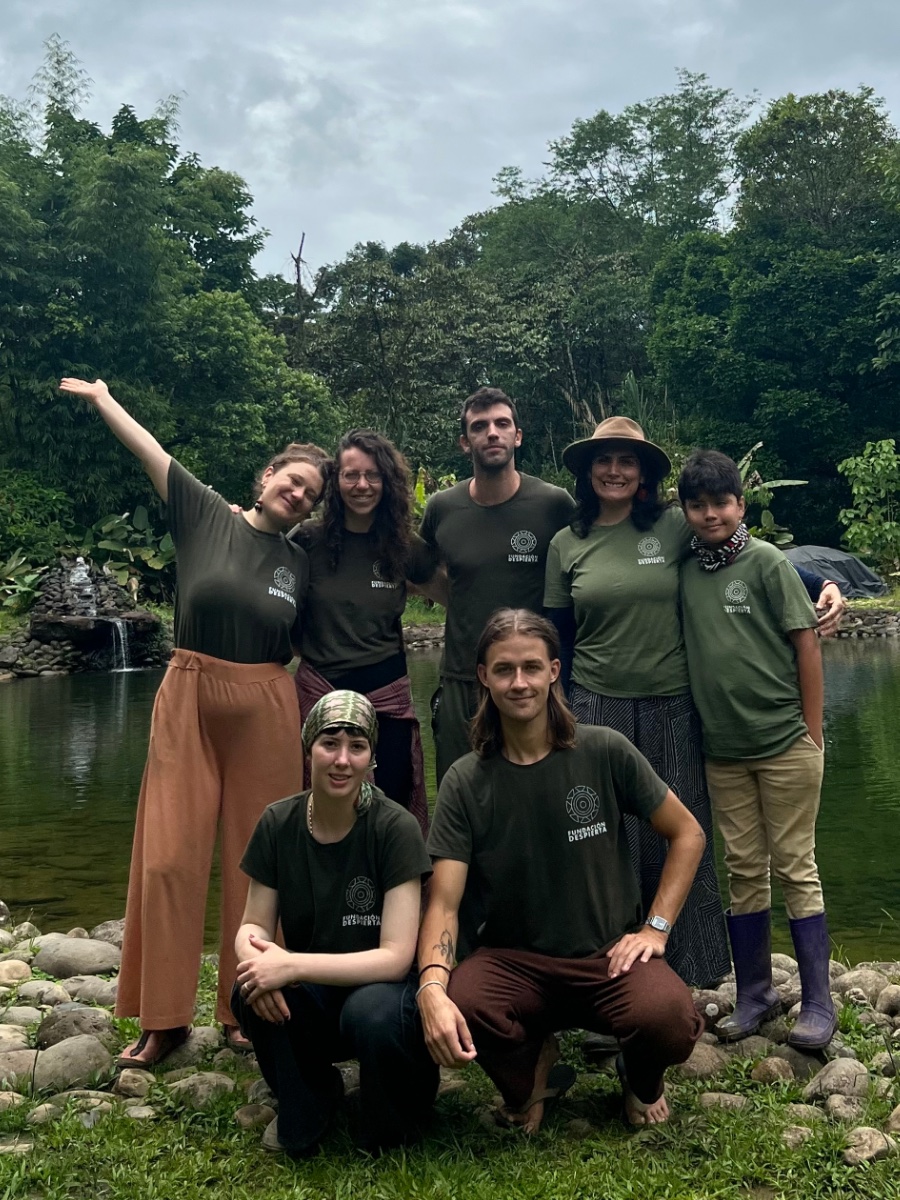
With the other volunteers
The people, the community as a whole and sacha (the rainforest) have become very dear to me. I will always carry them and the experiences I had there with me as a part of my life, and I am incredibly grateful for that. I hope I will be able to come back one day - hopefully with much better Spanish by then. The people in the community shared so much with me, and I am thankful for everything they taught me and for the time we shared.
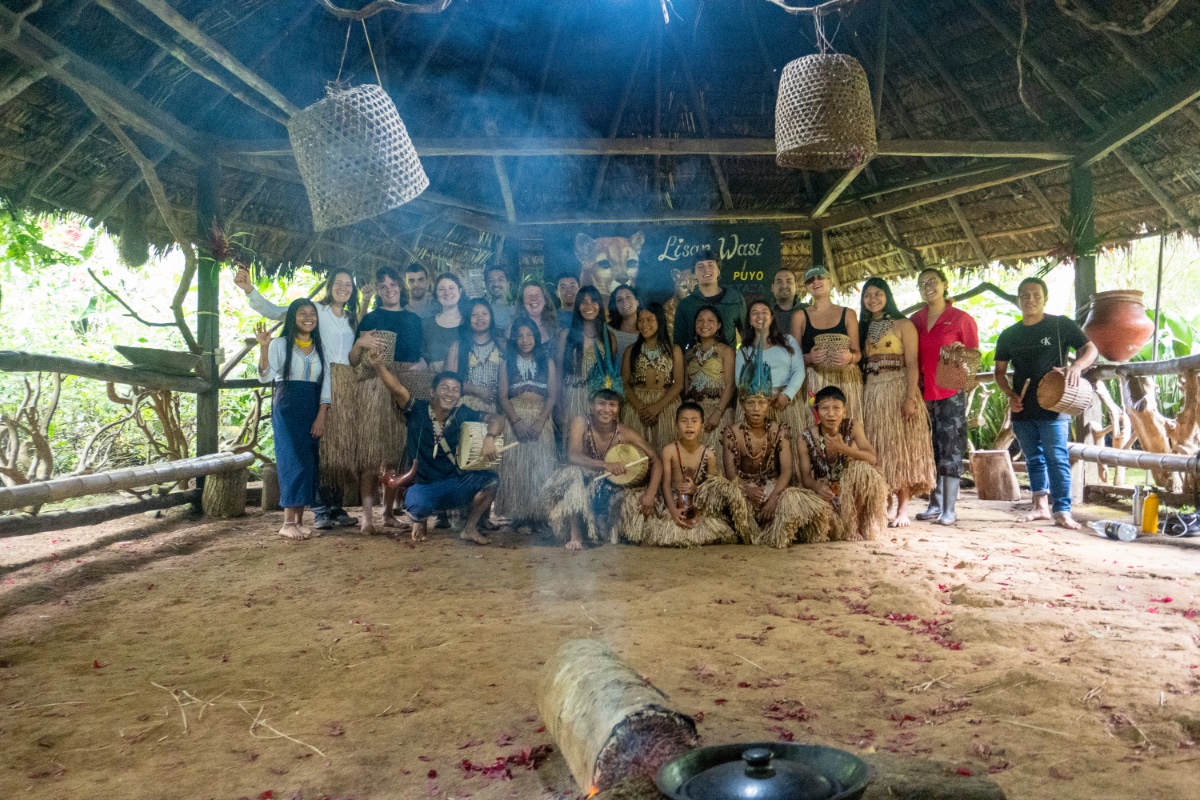
With the Lisan Wasi community
The project in Lisan Wasi
Lisan Wasi is an Indigenous Kichwa community by the Puyo River in the parish of Tarqui, near the city of Puyo in the Ecuadorian Amazon. The host organisation is VASE (Voluntariado para la Ayuda Social del Ecuador), the Ecuadorian member of the ICYE network. In the community, VASE works with Fundación Despierta, a non-profit organisation focused on nature conservation, environmental education and community development.
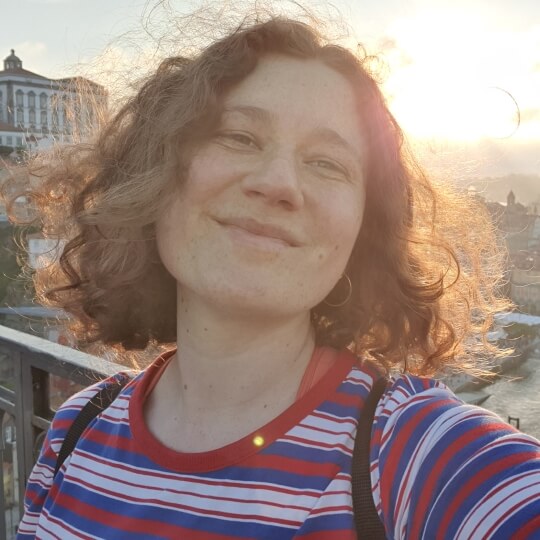
Susanne Rammel
📅 February-August 2026
📍 VASE, Lisan Wasi, Tarqui, Ecuador
Want to join an ESC HumAid project?
ESC HumAid is humanitarian volunteering within the European Solidarity Corps in countries outside the European Union, for people aged 18-35. Completing the mandatory ESC HumAid training is a requirement. The programme covers travel, accommodation, food, pocket money and insurance.
Co-funded by the European Union.