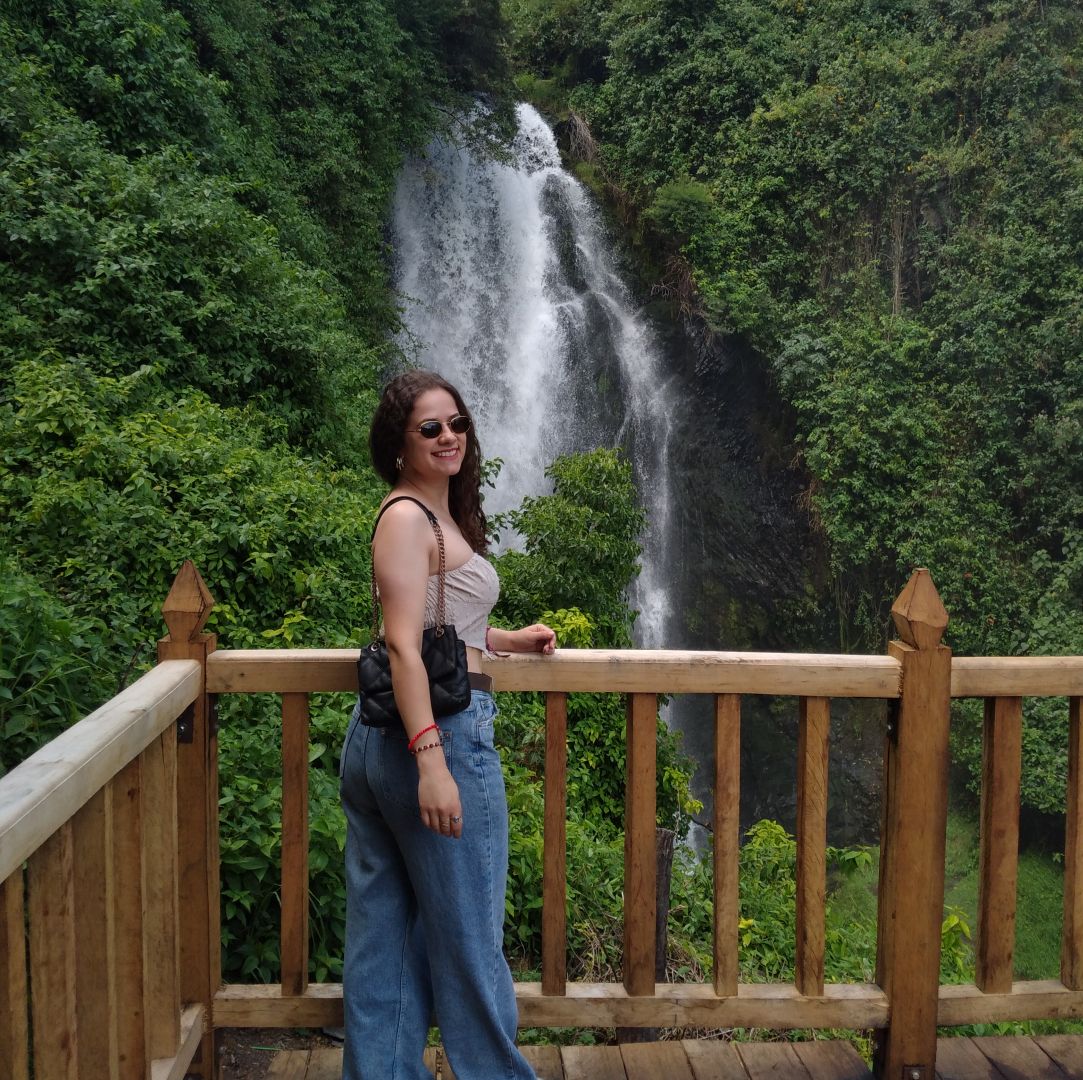
(Peguche Waterfall, Ecuador)
My first experience with the European Solidarity Corps was in Poland, where I also took part in an education project. When I discovered the opportunity to volunteer in other countries around the world, I immediately started looking for a project that aligned with my interests. However, changes to the rules meant that I was no longer eligible to participate in projects funded from 2024 onwards.
That was when the opportunity to join a project in Ecuador came along. Since it had been funded before 2024, it was still an option for me. I like to think that I wasn’t the one who chose Ecuador. Ecuador chose me.
School in the community of Carabuela
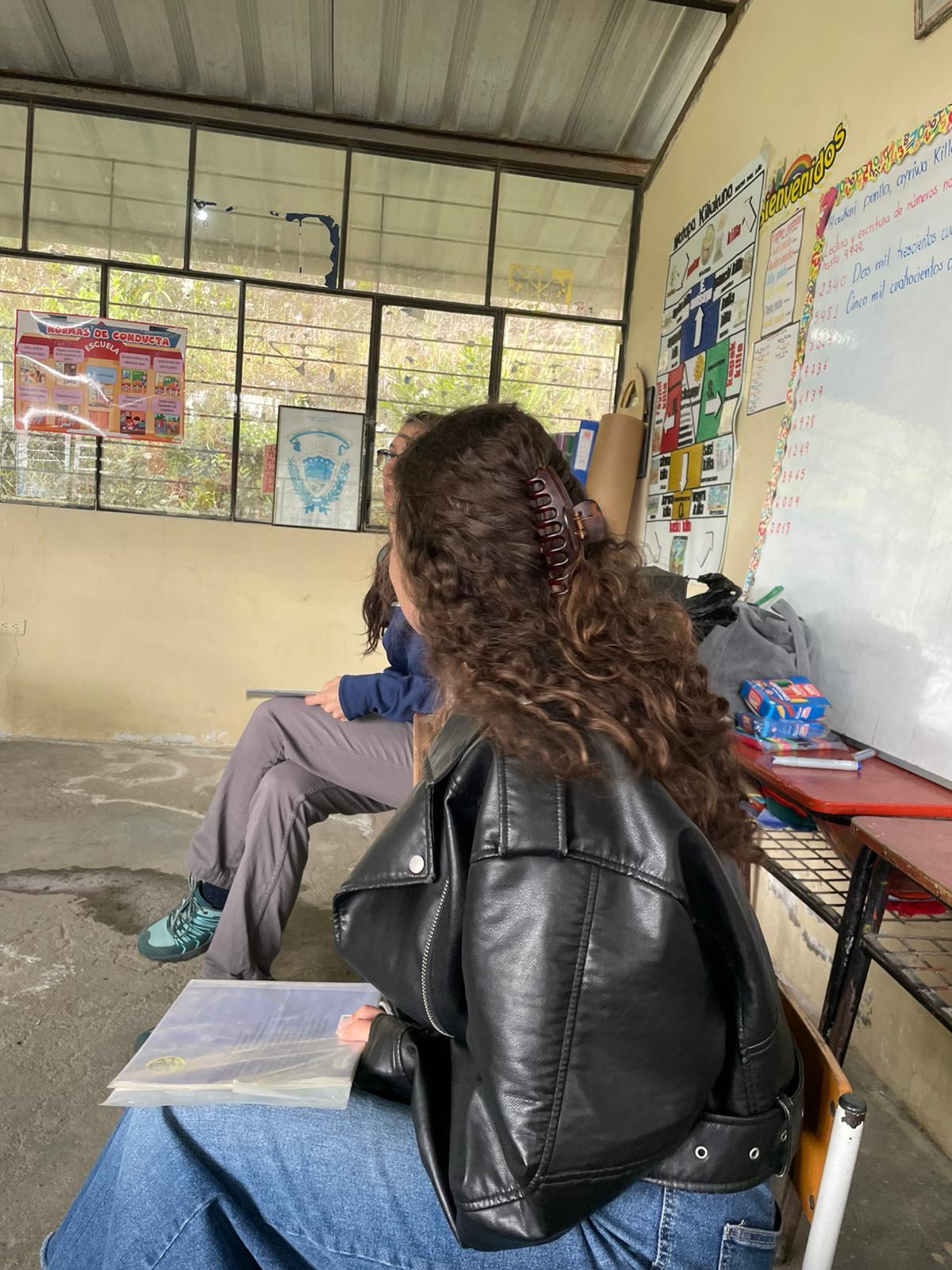
During these months, I volunteered at a school in the Indigenous community of Carabuela, near Otavalo, working alongside the organisation Cielo Azul. This experience allowed me to work directly with children, become involved in community life and contribute to educational activities that promoted learning and citizenship.
One of the main components of the LOCA project involved planning and delivering activities approximately every two months. Throughout my time here, I took part in several initiatives that helped me develop my teaching skills, creativity and ability to adapt to different situations.
“¡Señorita de inglés!”
Through the English lessons I taught, I discovered the importance of small achievements. Seeing the children run up to me, call out “¡Señorita de inglés!” and proudly identify colours and numbers in English became one of the most joyful and heartwarming memories of this experience.
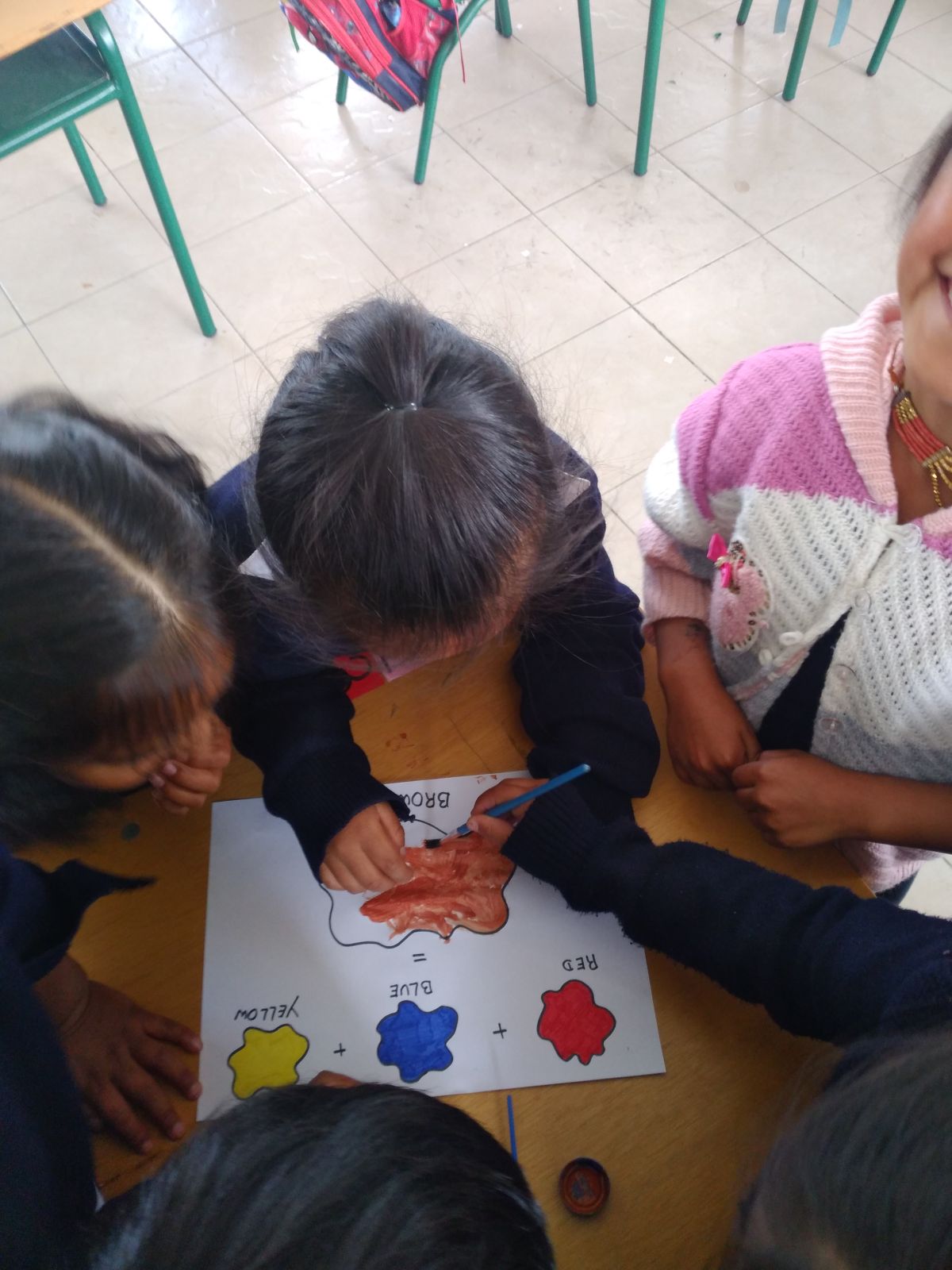
(The moment we learned the colour brown)
Gracias and a wall full of colour
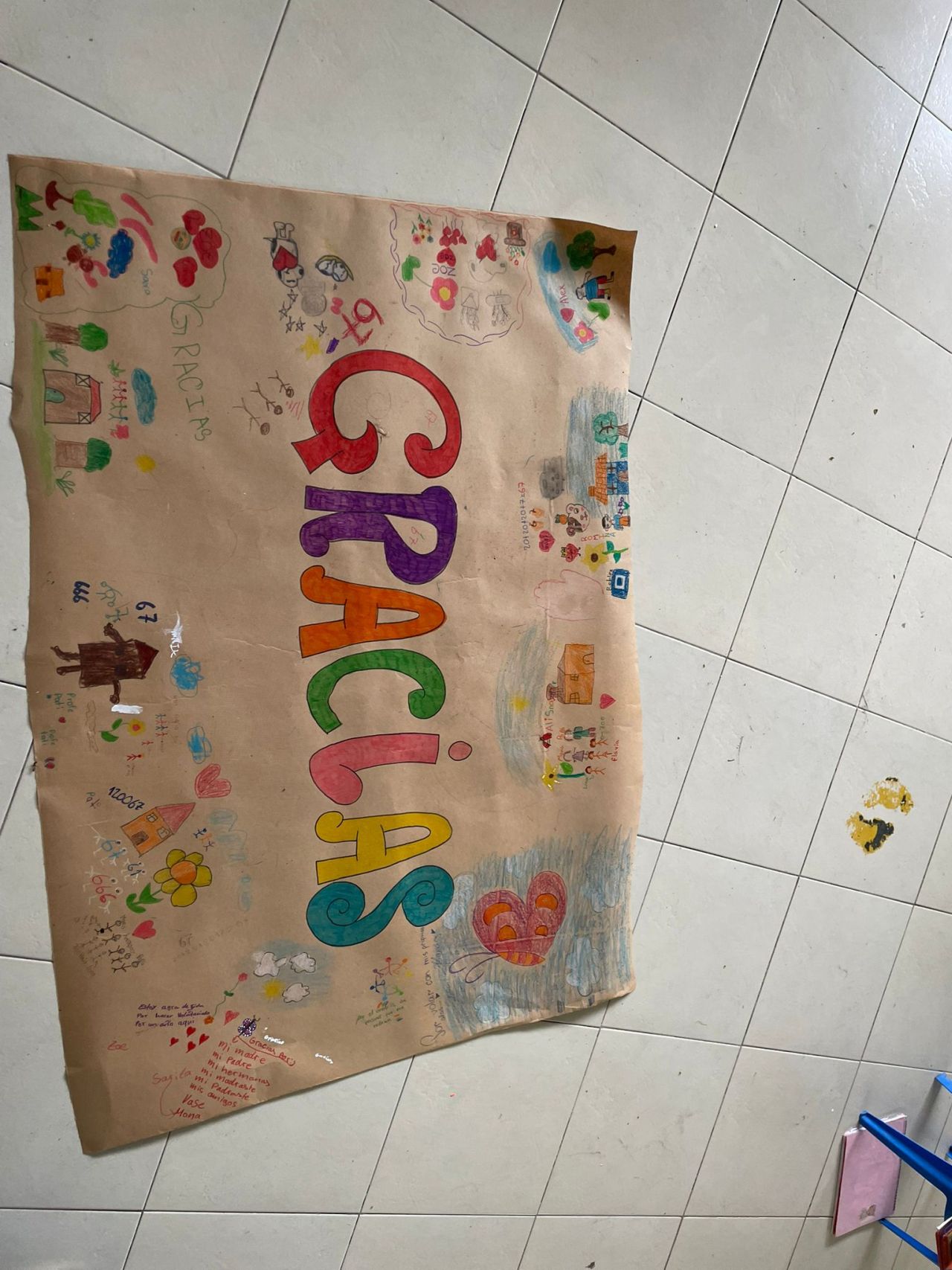
I also had the opportunity to develop and take part in different projects. The Gracias activity encouraged the children to reflect on the importance of gratitude and think about the things they were thankful for.
https://www.keric.sk/en/volunteering-blog/1873-ecuador-home-away-from-home#sigProIdfb8ce2cb52
(The Gracias project)
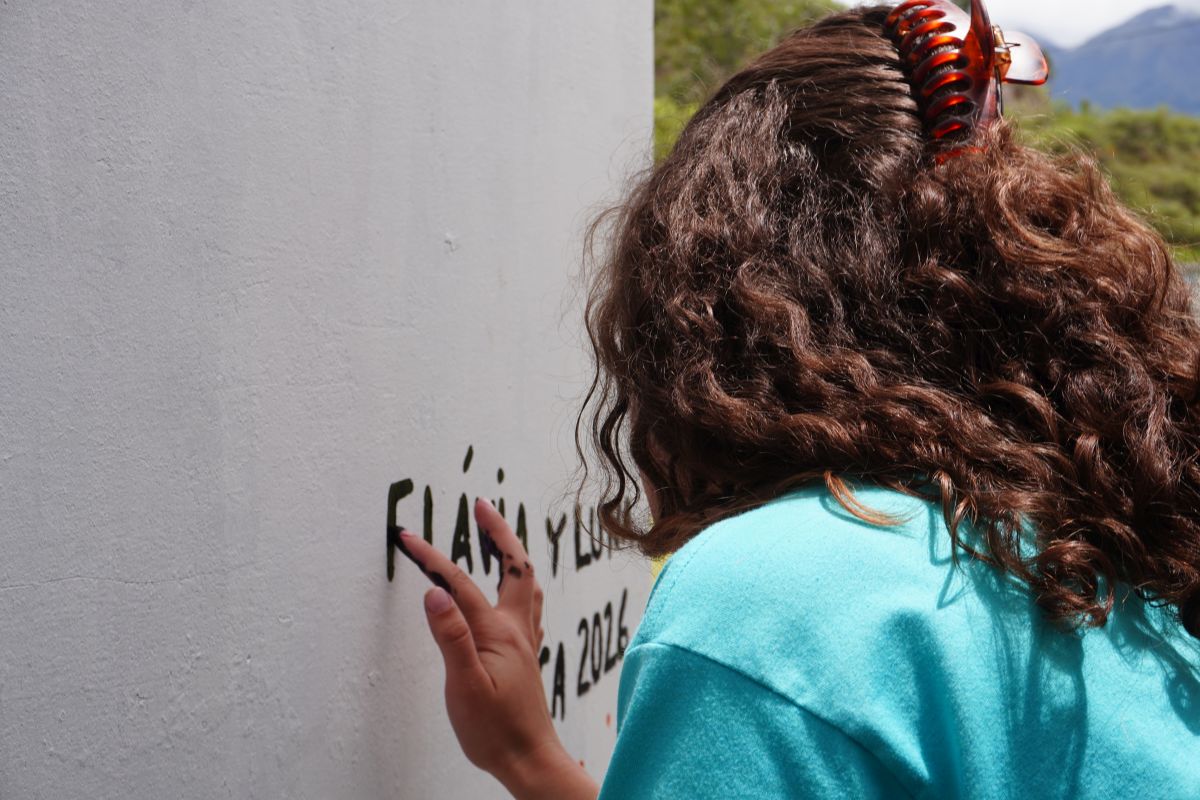
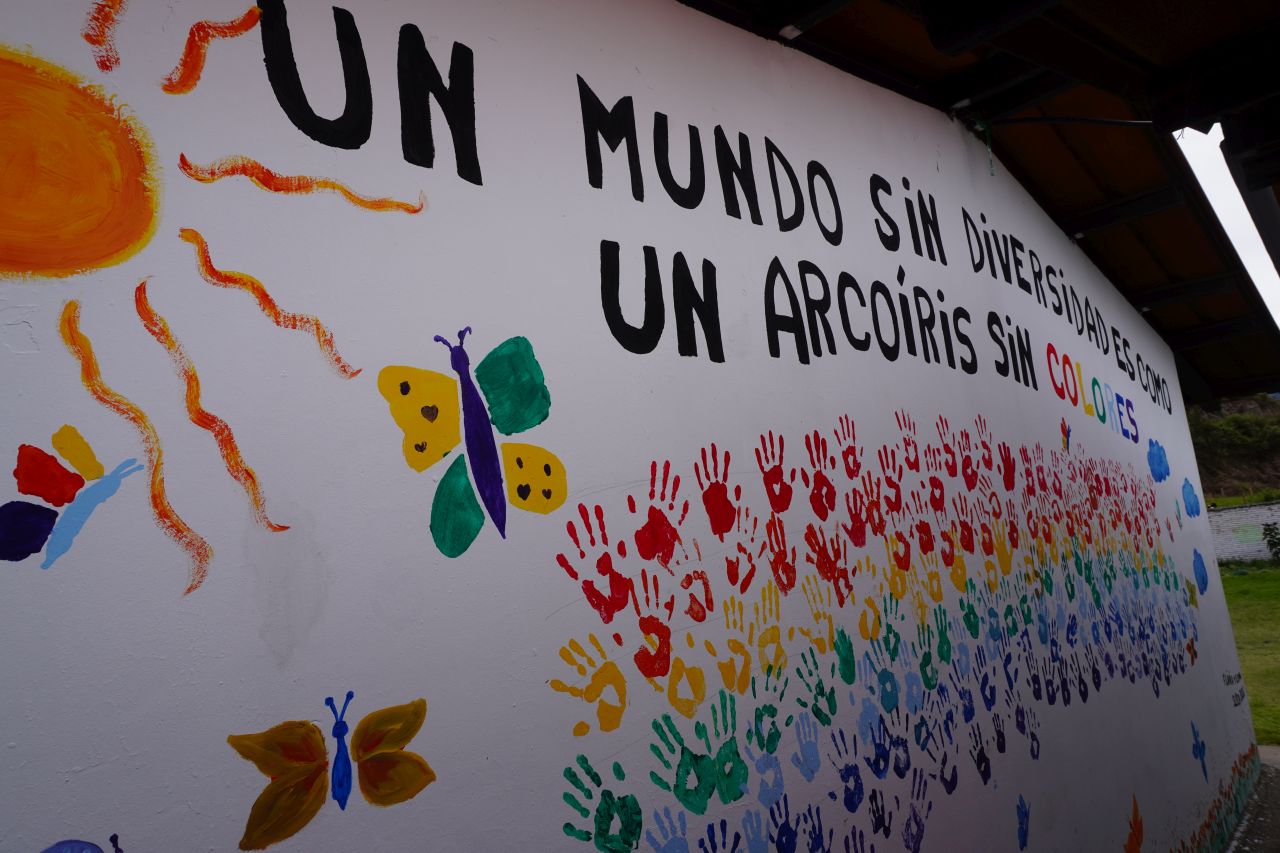
As part of our diversity and inclusion project, we organised an exchange between the school in Carabuela and a school in Otavalo that welcomes children with disabilities. We painted a wall in Carabuela and baked cookies at the other school, creating opportunities for mutual learning. It was a beautiful experience that highlighted the importance of inclusion.
https://www.keric.sk/en/volunteering-blog/1873-ecuador-home-away-from-home#sigProId98fb8fd180
(The wall in Carabuela, now reminding us that a world without diversity would be like a rainbow without colours)
The hummingbird that does its part
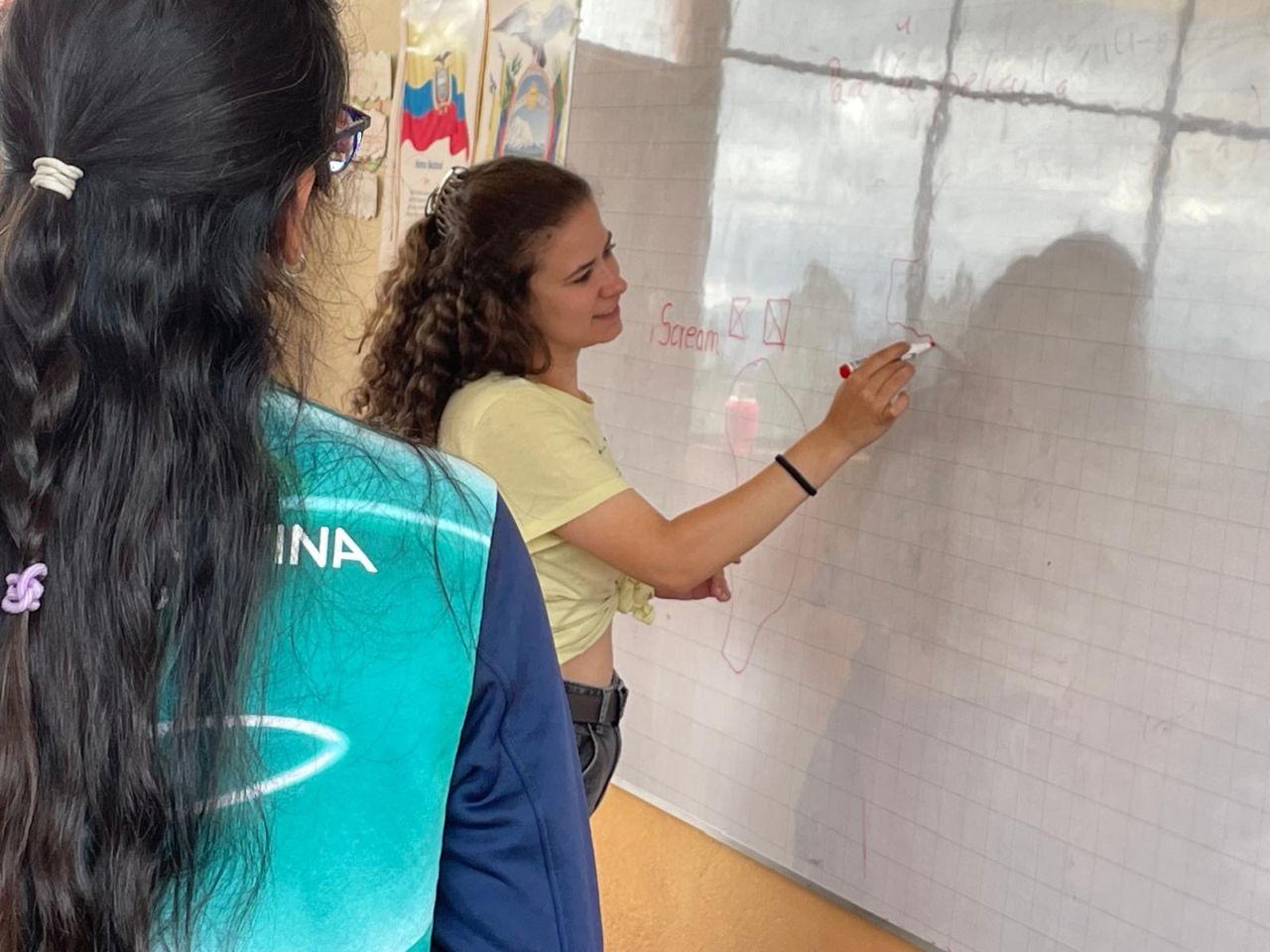
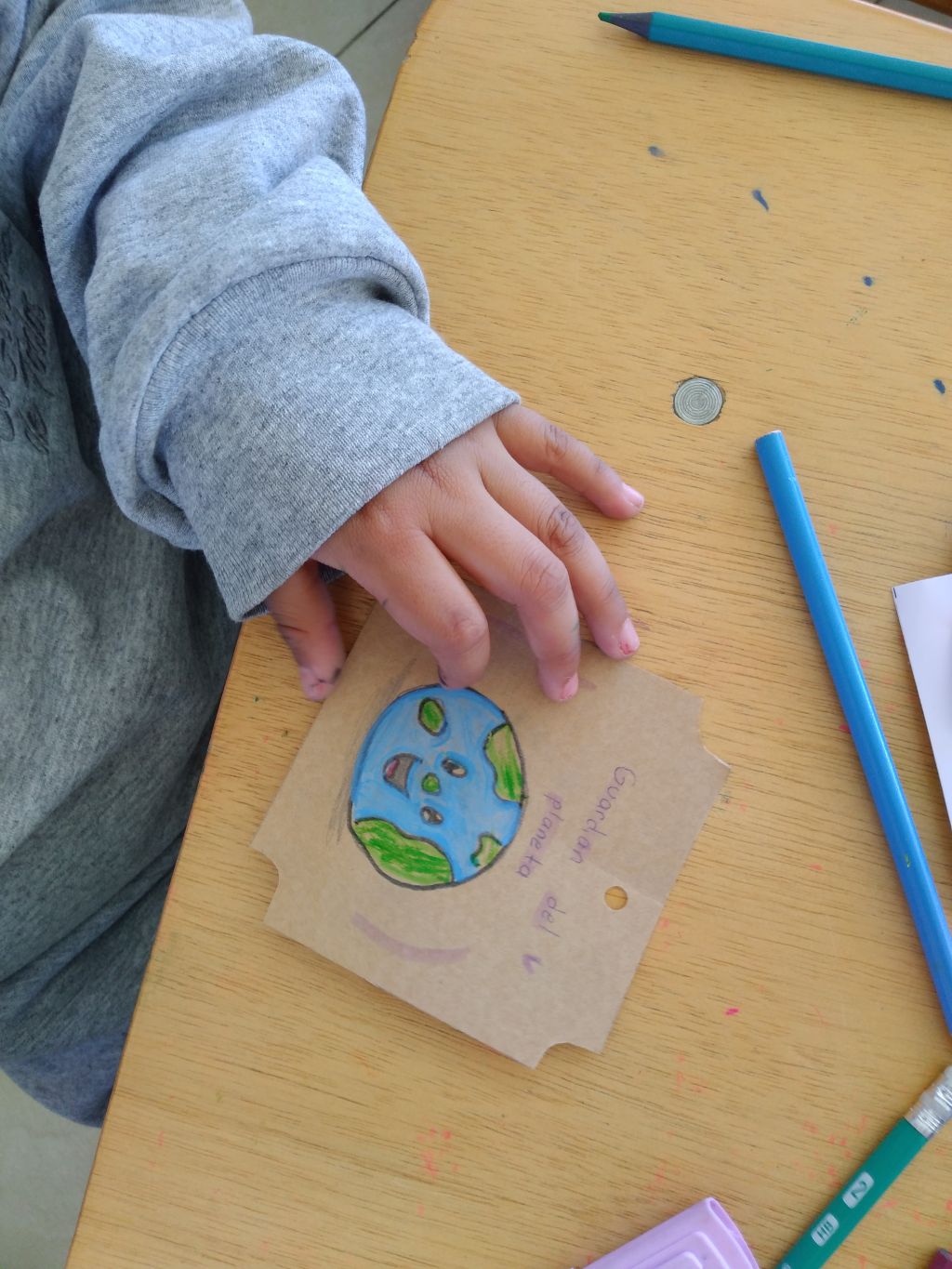
We also carried out an environmental education project, organising activities for all classes to explore the importance of protecting the environment and adopting more responsible habits.
https://www.keric.sk/en/volunteering-blog/1873-ecuador-home-away-from-home#sigProIdf85c4dce09
(Environmental education project)
As part of this initiative, all the classes worked together to create a hummingbird using recycled materials, inspired by the Legend of the Hummingbird. The story tells of a forest fire during which a tiny hummingbird repeatedly flies to the river to collect water and drop it onto the flames. A jaguar, surprised by its efforts, asks why it keeps trying when the fire is so big and its contribution seems so small. The hummingbird replies that it is simply doing its part. Through this activity, the children learned that everyone can make a difference, no matter how small their actions may seem, and that we all have a role to play in protecting our planet.
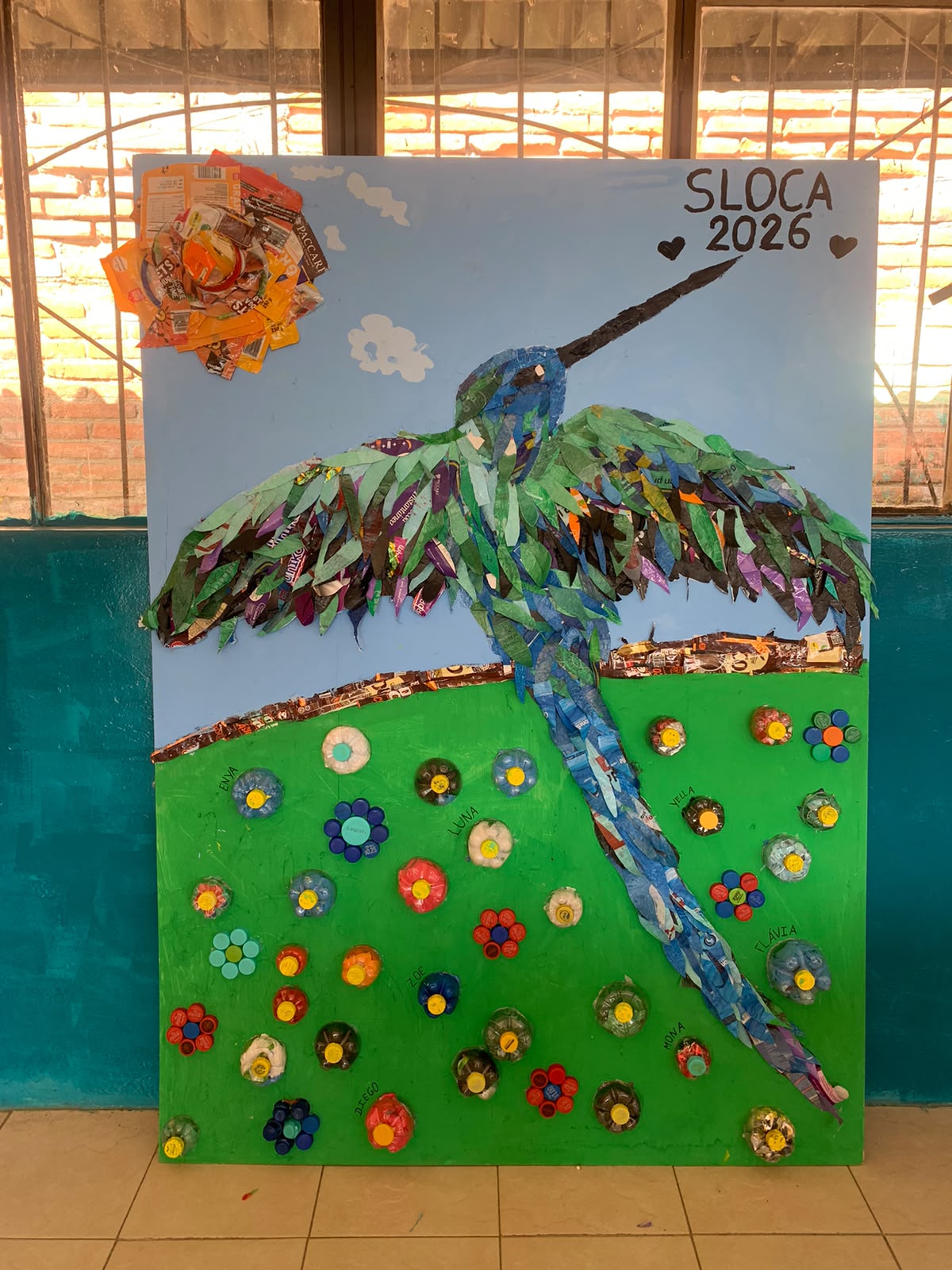
(The Hummingbird: reminding us that even the smallest actions can make a difference)
Human rights, playgrounds and a summer camp
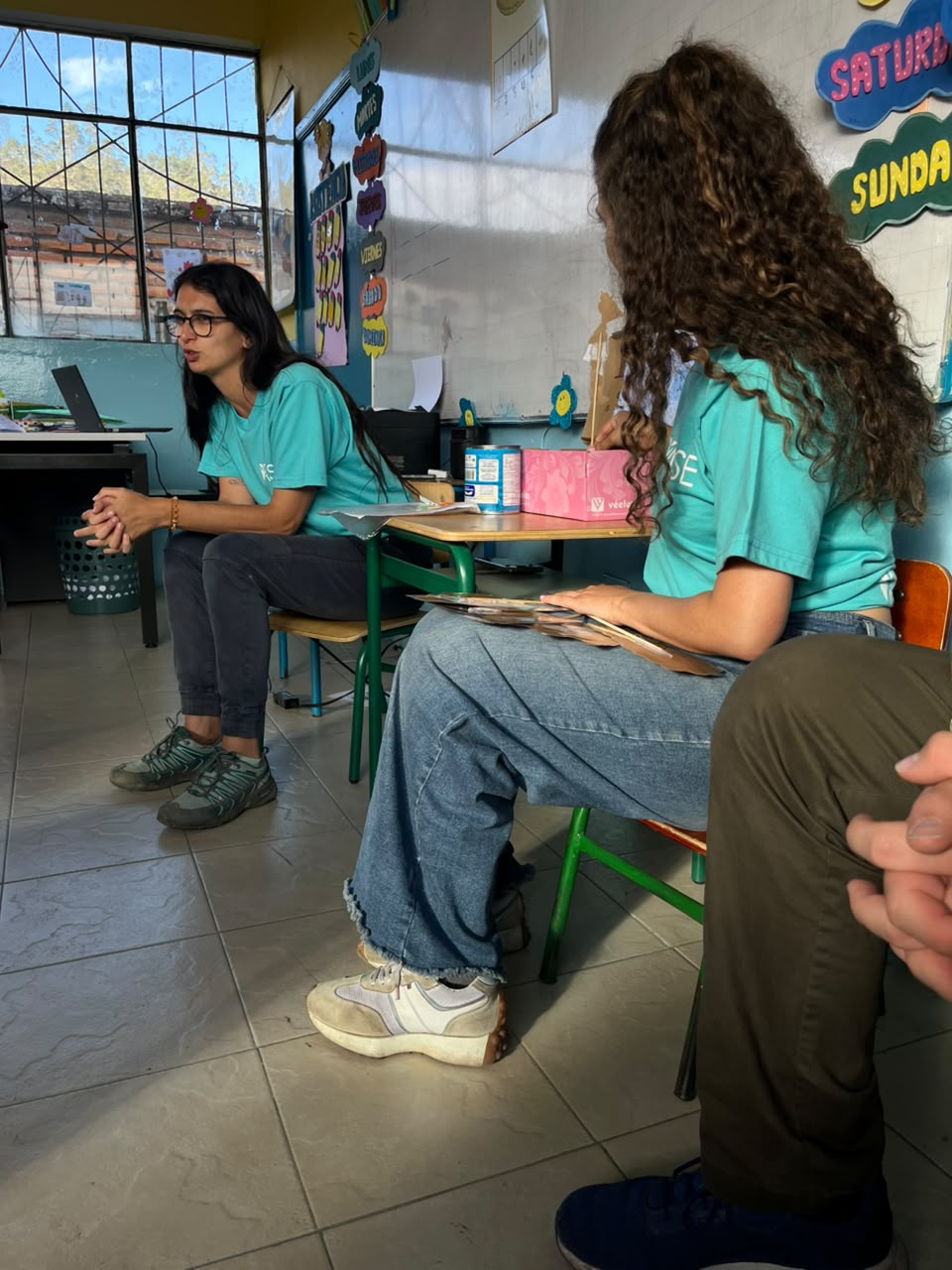
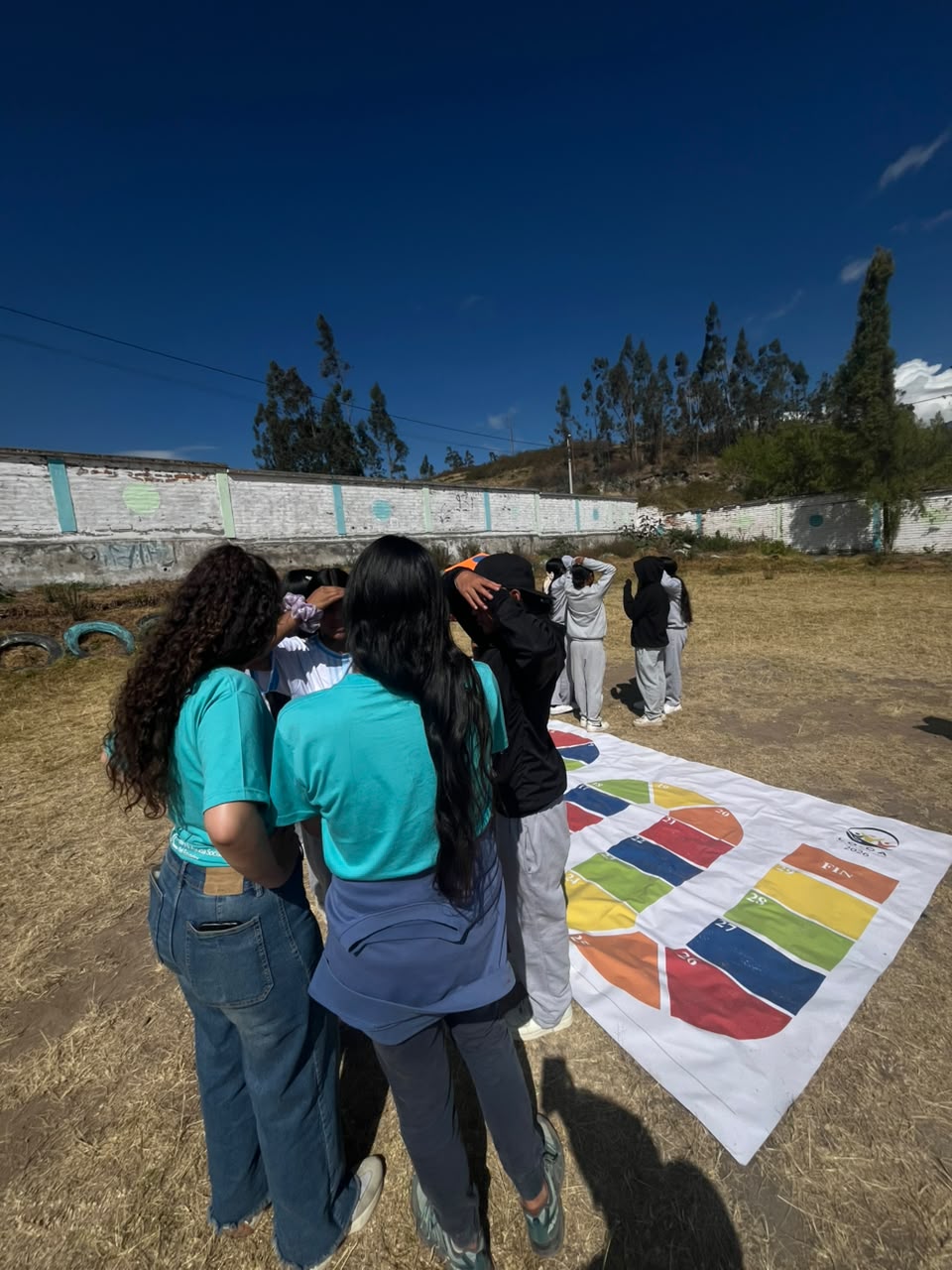
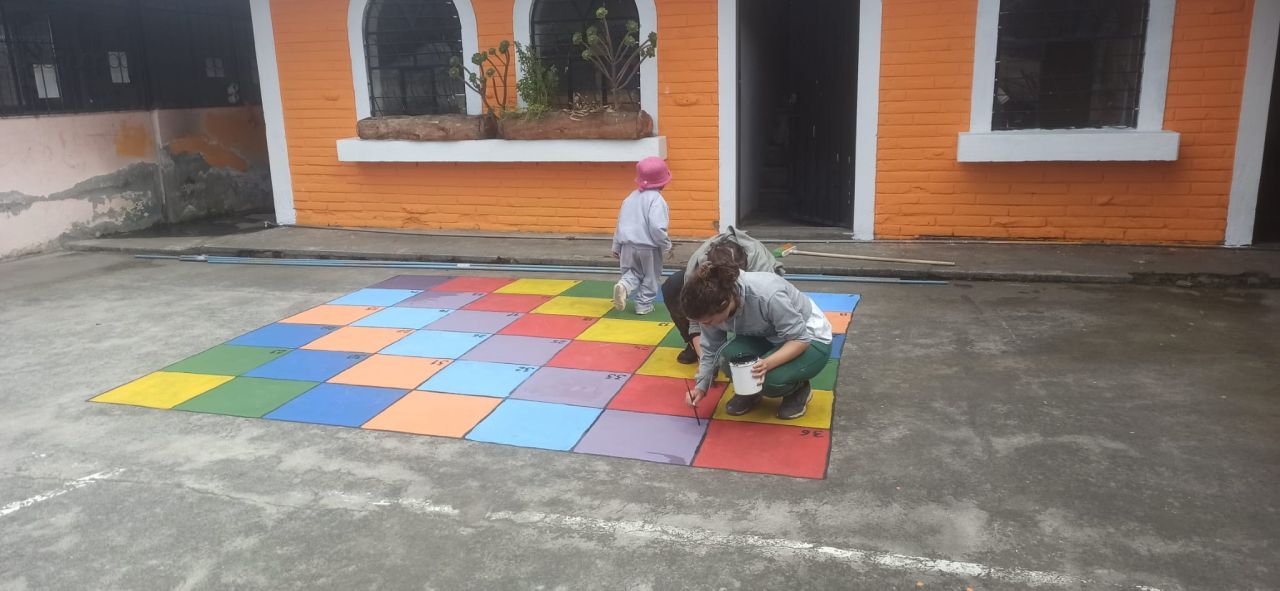
Another important initiative focused on human rights. We created a giant board game that encouraged the children to reflect on their rights and learn about them in an interactive and engaging way.
https://www.keric.sk/en/volunteering-blog/1873-ecuador-home-away-from-home#sigProId11dea18e3f
(Human Rights Project)
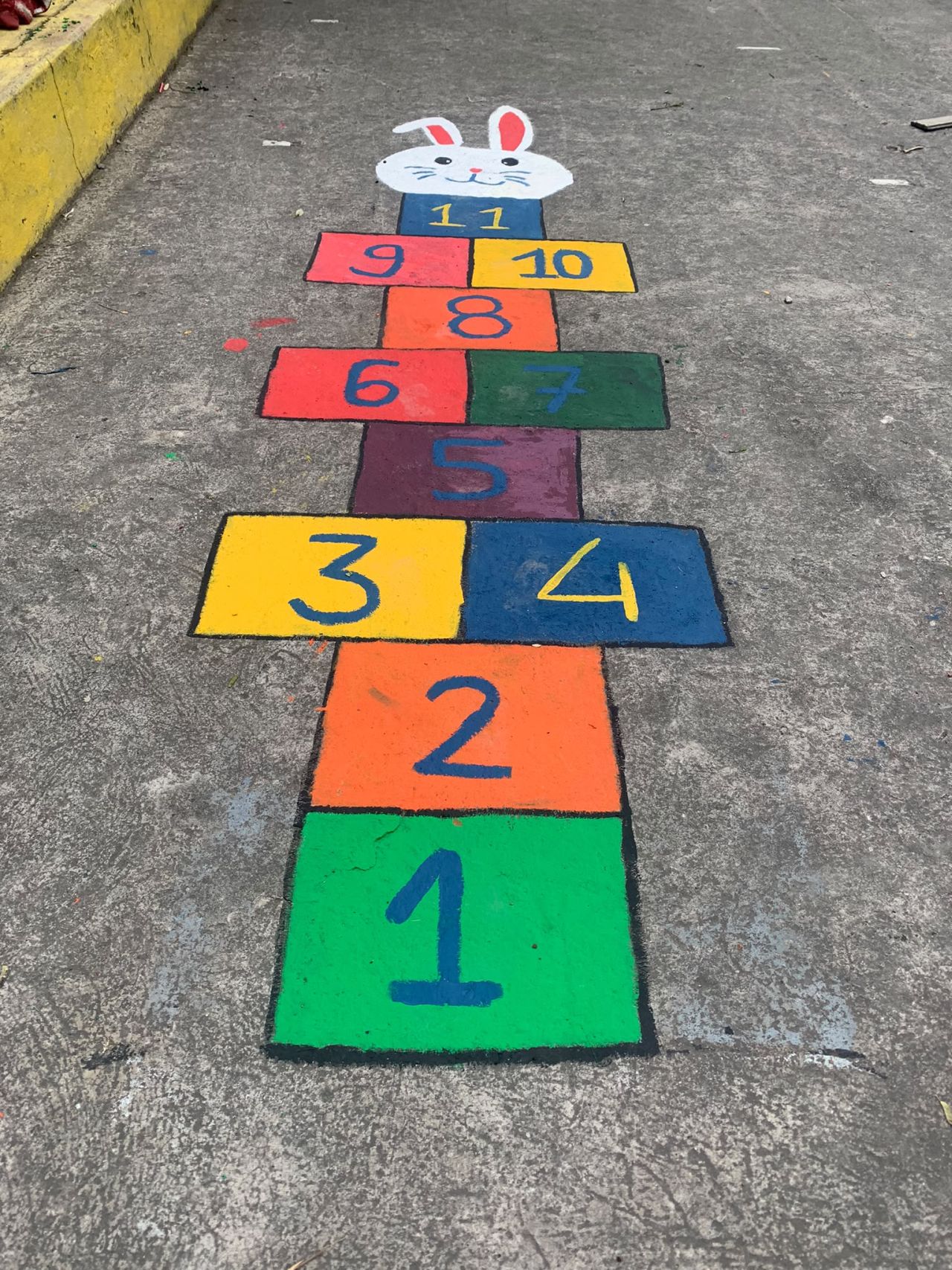
Beyond these projects, my everyday life at the school was filled with many other experiences. I helped paint games in the school playground and organise a summer camp for children. These were days full of creativity, teamwork and laughter, sometimes accompanied by sleepless nights spent preparing activities for the little ones. These moments became an equally meaningful part of my volunteering journey.
https://www.keric.sk/en/volunteering-blog/1873-ecuador-home-away-from-home#sigProIdbb05dde1e4
(One of the games we painted on the playground of one of the schools)
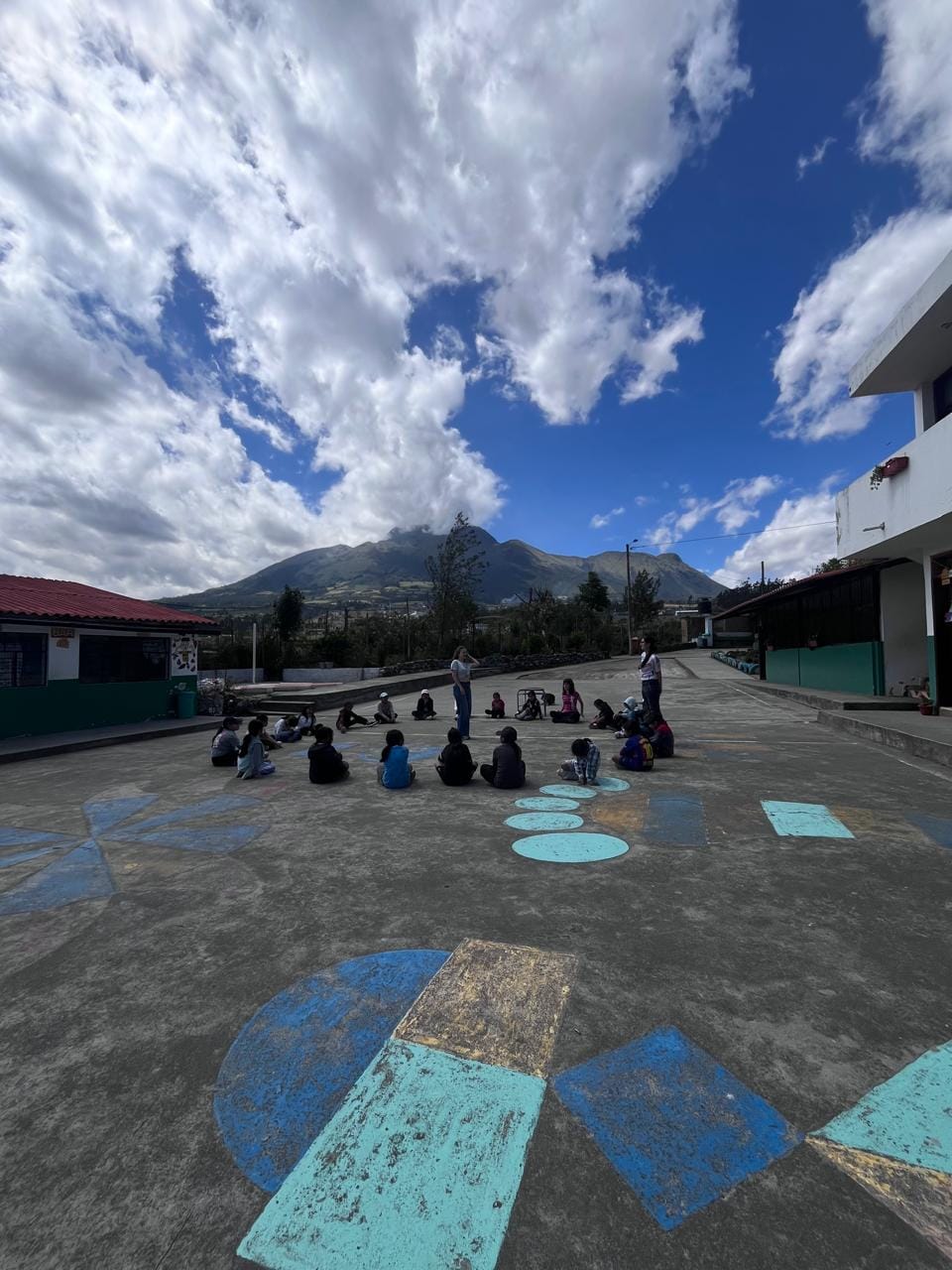
(Summer camp: days full of unforgettable memories)
More than volunteering
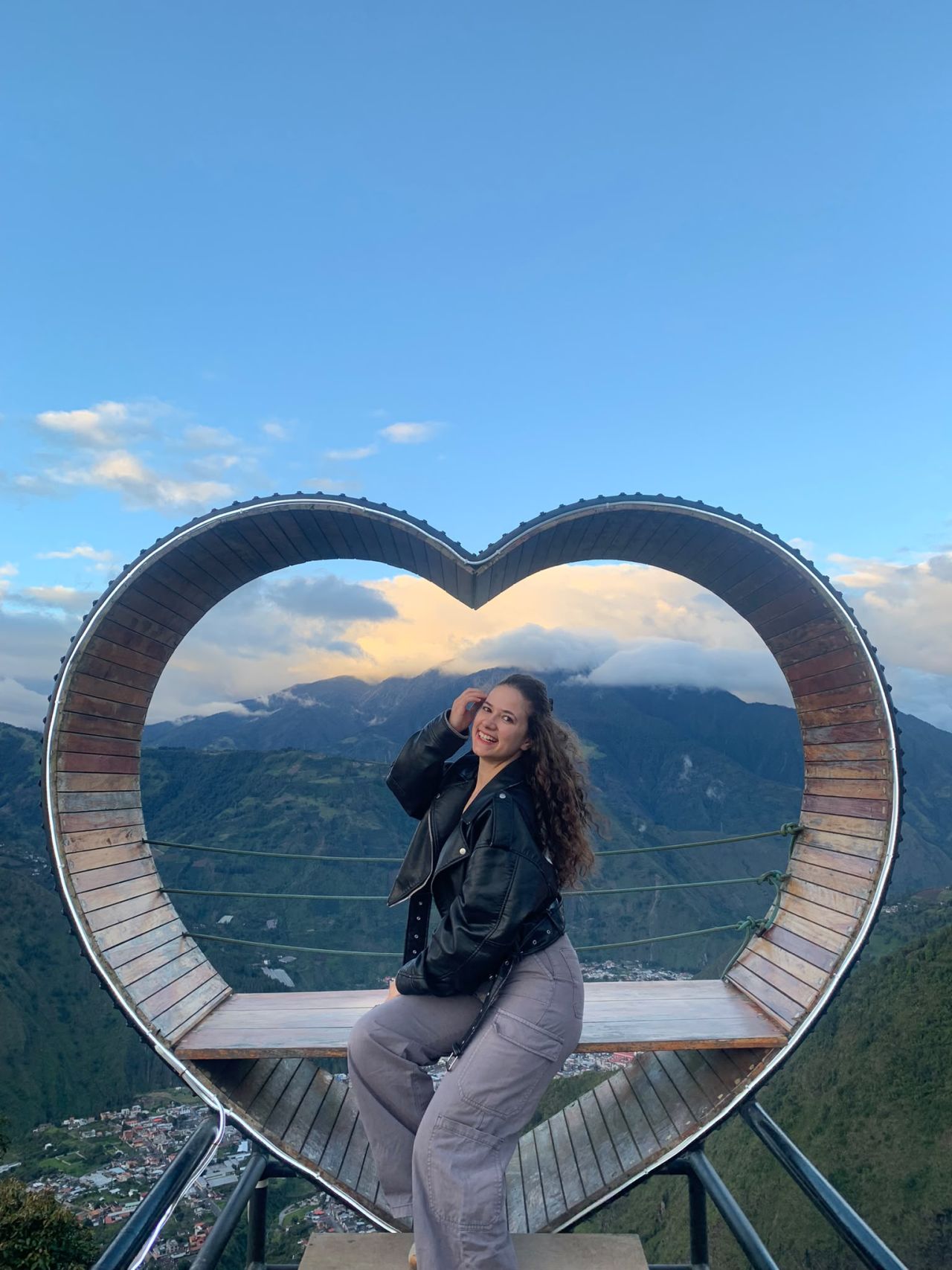
Volunteering, however, was only one part of this experience. Living in Ecuador allowed me to discover a different culture, explore local traditions, experience the country’s incredible natural diversity and take part in national celebrations. From the mountains and volcanoes to the Amazon rainforest and the coast, I had the opportunity to discover an extraordinary country and build meaningful connections with people who made this experience truly special.
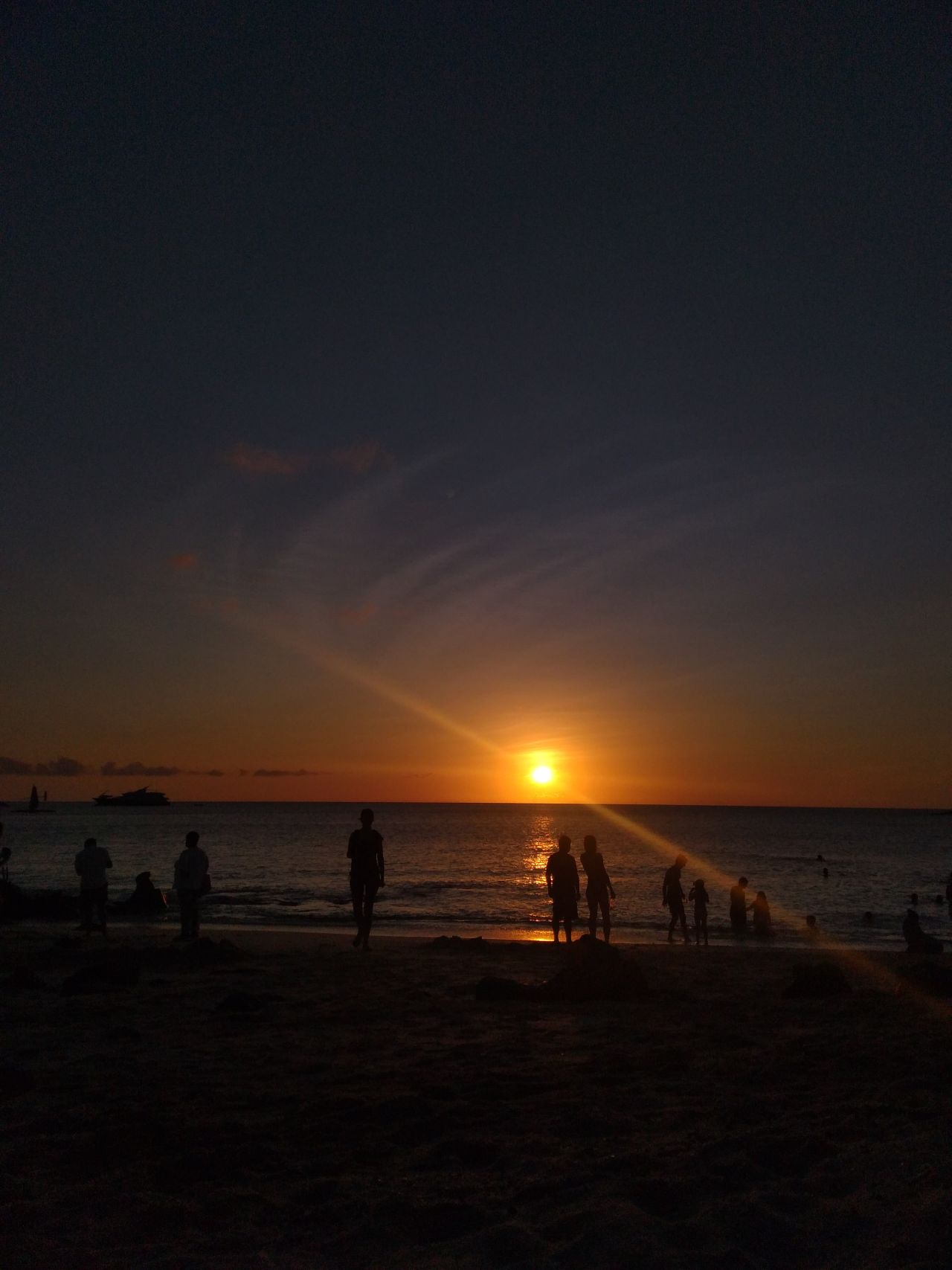
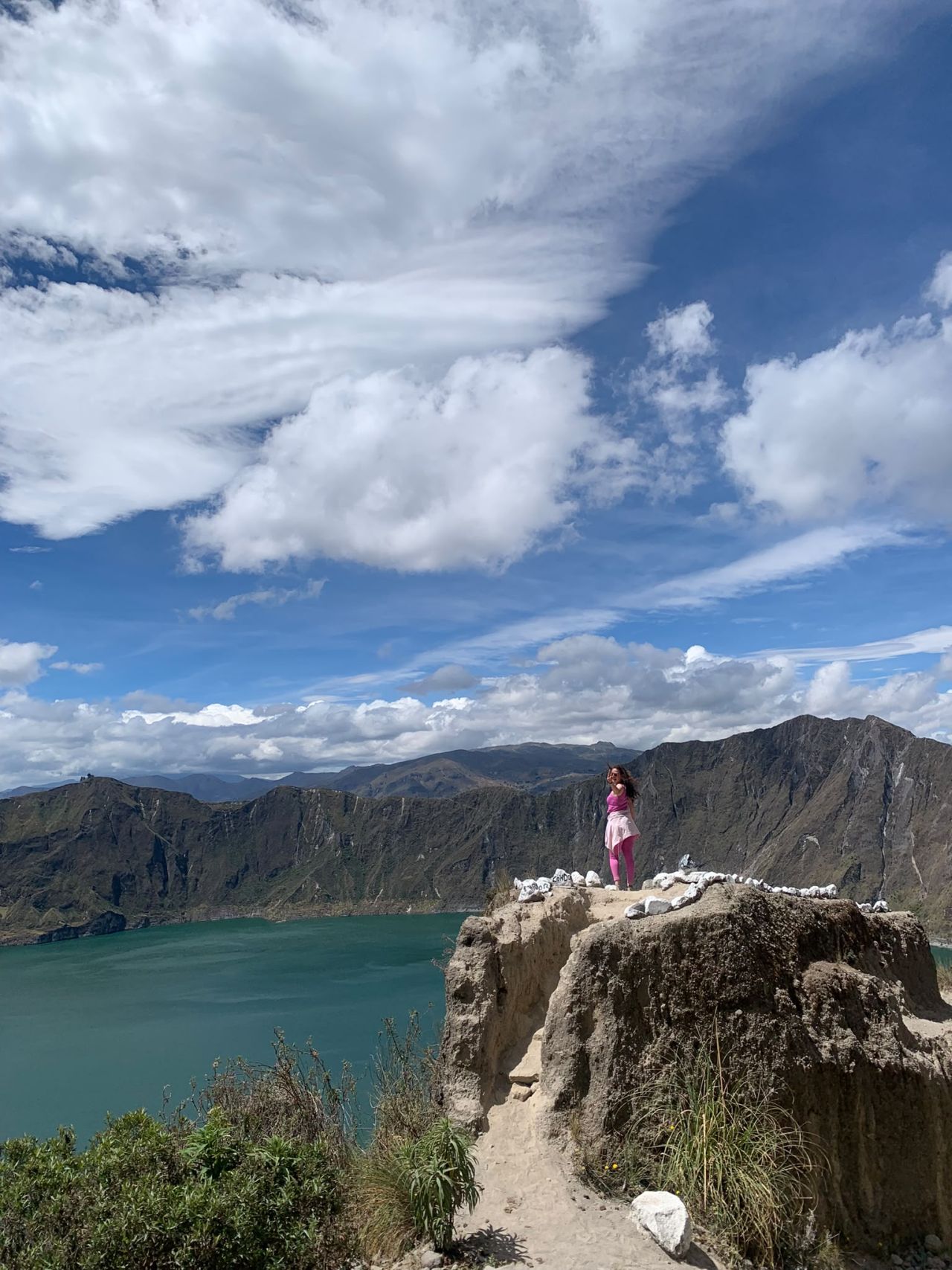
https://www.keric.sk/en/volunteering-blog/1873-ecuador-home-away-from-home#sigProId9bdcc2dcc8
(Trip to Baños, Ecuador; Sunset in San Cristóbal, Galápagos; Quilotoa Lagoon, Ecuador)
A home away from home
This experience strengthened my belief that intercultural learning happens above all through the relationships we build. I learned to appreciate different ways of life, adapt to new environments and recognise the importance of community involvement. It also reminded me that volunteering is about what we learn and receive in return.
I leave Ecuador with new knowledge, skills and memories that I will carry with me throughout my life. I take with me the affection of the children, the generosity of the people I met and the certainty that volunteering can create meaningful connections between people and communities.
Ecuador is no longer just a place on the map: it has become part of my story. This experience gave me the opportunity to contribute, learn and grow, but also to find a home far away from home. I hope to return one day to this special place that welcomed me with open arms.
“Ecuador is no longer just a place on the map: it has become part of my story.” - Flávia Coelho
ESC HumAid: volunteering that takes you far beyond Europe
Flávia’s story is one of the ESC HumAid projects, humanitarian volunteering of the European Solidarity Corps outside Europe. KERIC volunteers have helped in Ecuador, Nepal, India, Kenya, Vietnam and other countries. The programme covers travel, accommodation, food, pocket money and insurance. You don’t need any qualifications, just an interest in the project’s topic and a willingness to learn.
Want to know how it works? Join our online info session about volunteering abroad. You’ll learn about current ESC and ESC HumAid projects, how the sending process works and what the sending and hosting organisations provide.