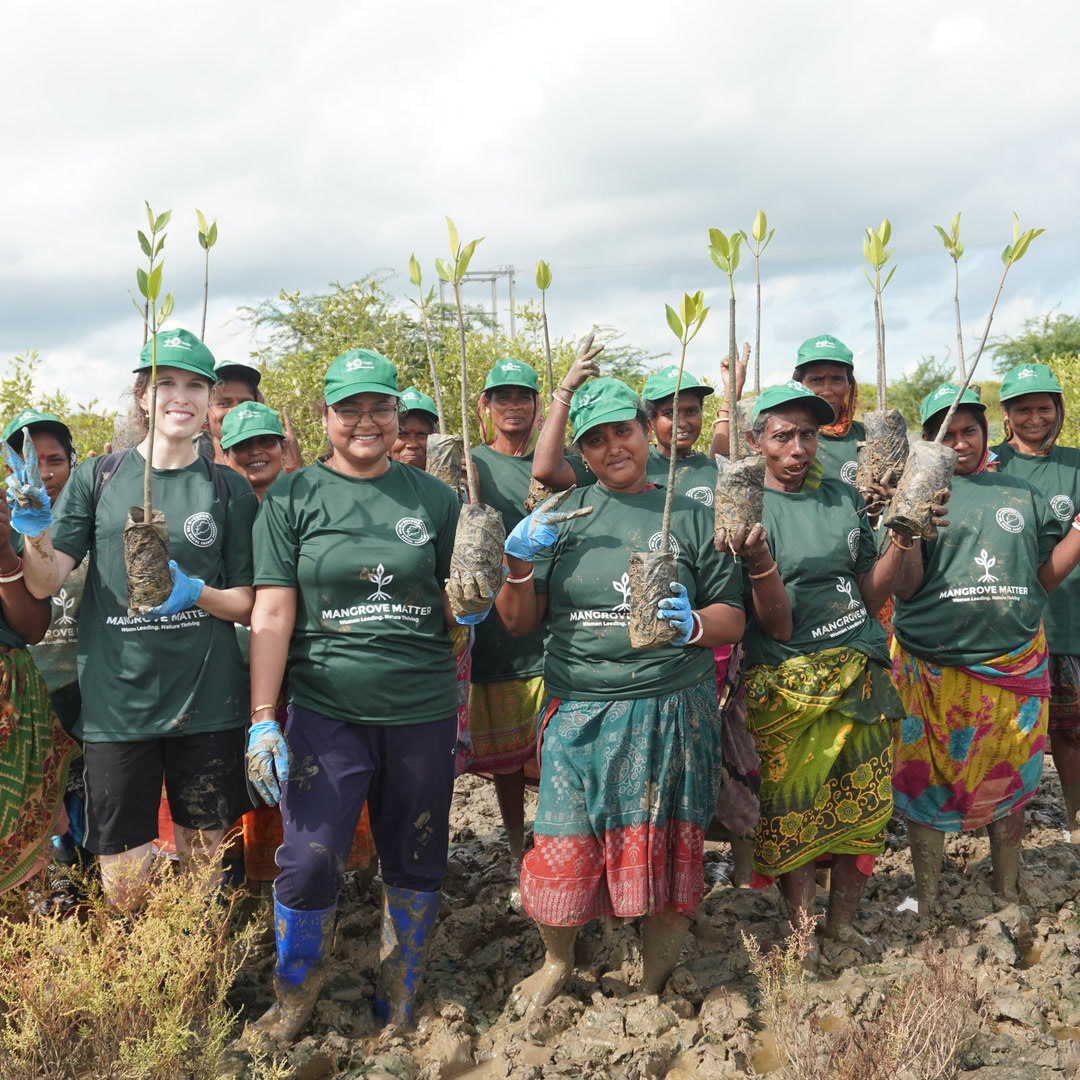
The LO-CA project (Building local capacities through education and local action) with Orissa State Volunteers and Social Workers Association (OSVSWA) seemed a great opportunity to work on issues connected to the Sustainable Development Goals, and to acquire skills in project support. After multiple internships in advocacy, communications and administration, including one with the United Nations Development Programme, I wanted to acquire professional experience in programme support while remaining in the Sustainable Development field. The project with OSVSWA seemed like a great opportunity, and I was right. I was also intrigued by Indian culture, which is so distant and untouched by our Western world. I came here with a lot to learn, and that’s exactly what happened.
Grants, budgets and a disaster app
My work here mainly consists of project coordination: I coordinate with stakeholders to implement projects, write proposals, apply to grants, contribute to budget estimations, research project background, and support partnership outreach. One of my main responsibilities here is coordinating Apada Sathi, a disaster-preparedness app. I work with my OSVSWA colleagues, app developers, a local-language translator and other partners to develop disaster simulations that can help communities prepare for emergencies. I also bring feedback from field visits into the app’s development.
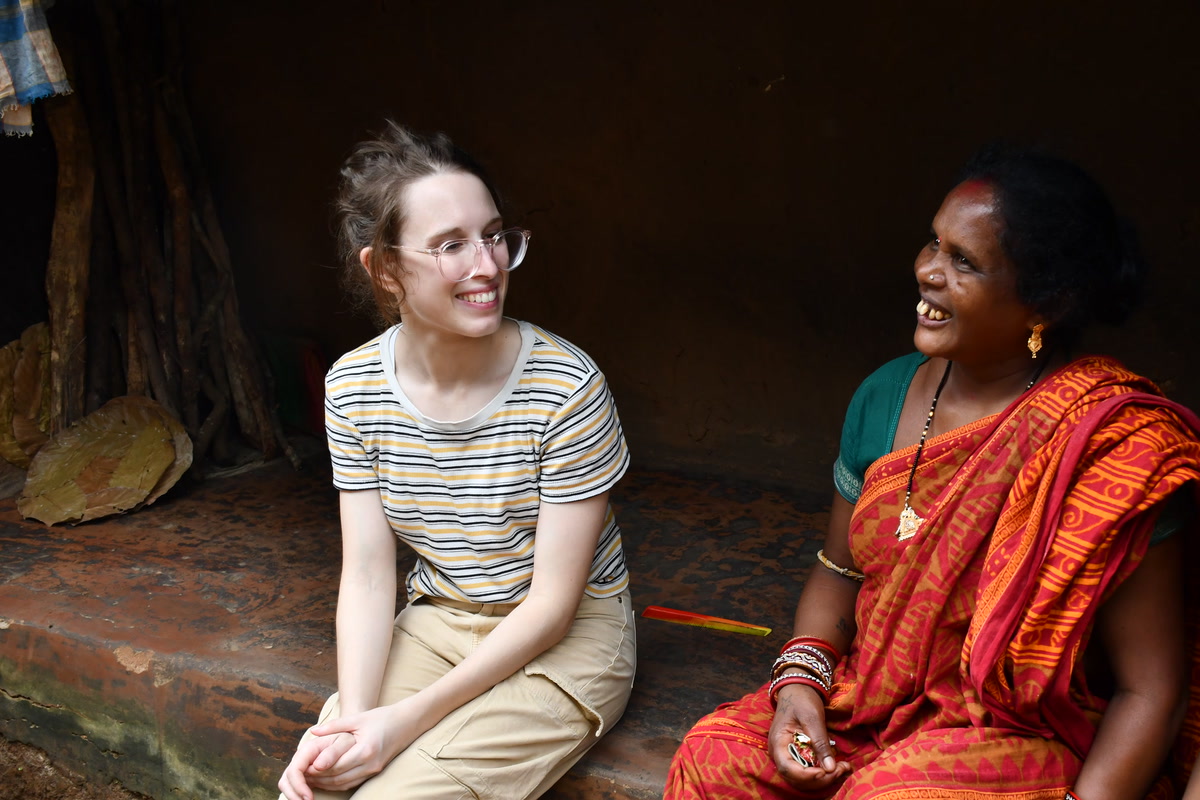
Listening to community members during a field visit in Odisha.
Furthermore, with the support of my supervisor I draft projects and grant proposals in response to calls from international foundations, estimate budgets with my supervisor, and support partnership requests. It is useful to see how small-scale projects actually work and how the work we do in the office can really make a difference on the ground.
At the moment, for example, I am helping prepare a proposal about access to water in a village in Puri district. I am learning how to research the issue, get information from colleagues and find reliable sources online, including Google Scholar. Sometimes the information is hard to find, so I am also learning how to keep looking and check what I find. Working on smaller projects makes the process easier to understand, from researching the issue to planning activities and calculating a budget. It is a great introduction to how projects work, including larger ones.
The field trips are an important part of the experience because I can see how projects are put into practice. In coastal and inland villages, a colleague helps us communicate with local communities. I have listened to their feedback on the app, heard about challenges they face, and learned about their work, traditions and livelihoods. On one trip, I visited a mangrove site while carrying out a community assessment. Communication can be challenging when we do not share a language, but my colleagues are always supportive, and I am becoming more resilient and adaptable.
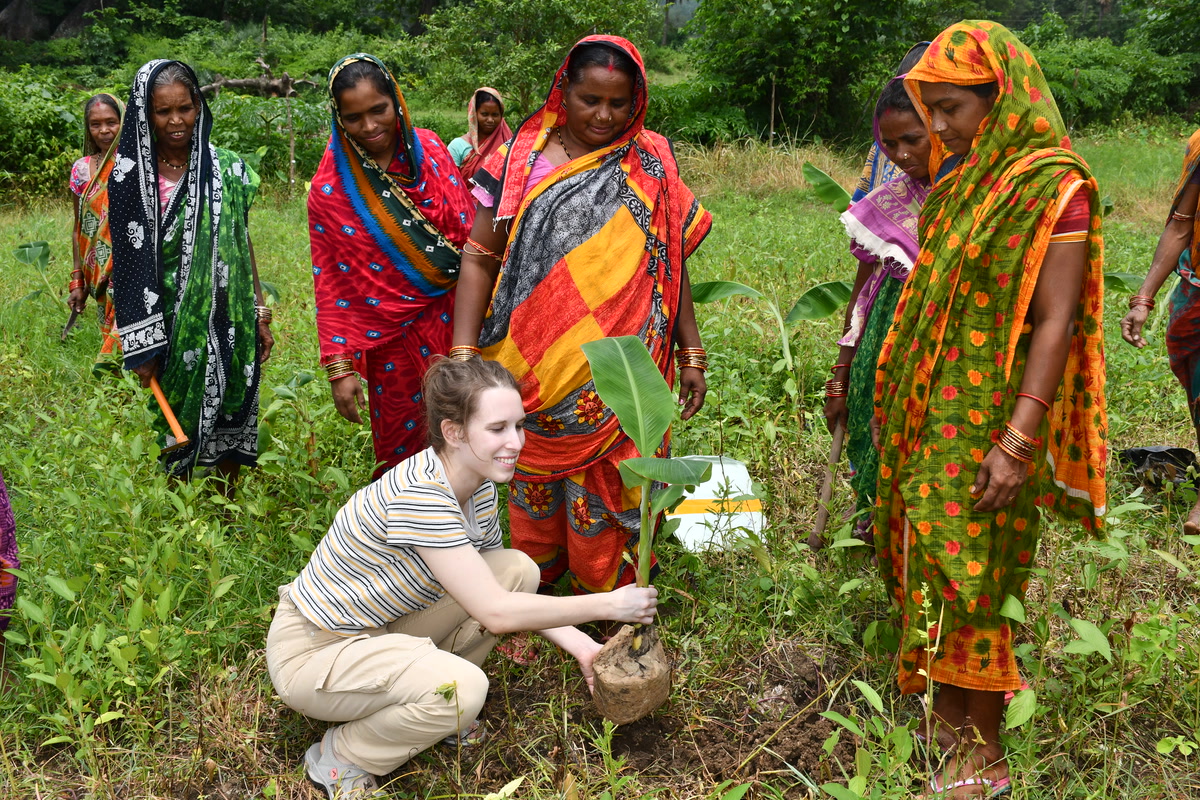
Plantation work during community assessment work.
Rice, dal and stories over tea
The people at OSVSWA have been incredibly kind and helpful. They are available whenever I have a problem, have provided me with great accommodation, and make sure I have healthy, nutritious food. I especially like the rice, dal and vegetables. Honestly, I live very comfortably here, and sometimes I feel better looked after than I do in Europe, where we all have to find accommodation, pay rent and cook by ourselves.
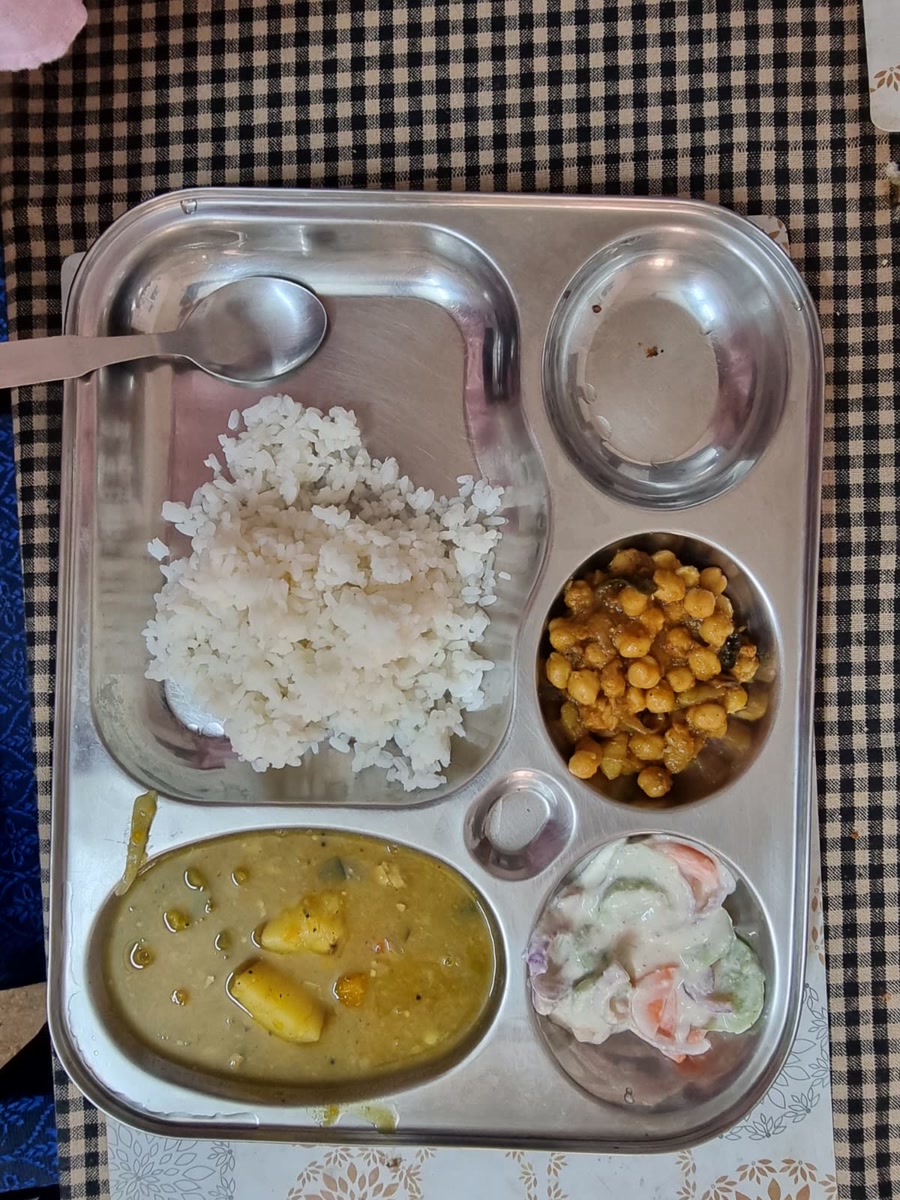
A nourishing office lunch with rice, dal, chickpeas and vegetables.
I have been learning about Indian culture through everyday life, too. I was surprised by how present religion and its rituals are all around me. Before coming here, I knew very little about deities such as Hanuman and Ganesha or the stories of the epic novels Ramayana and Mahabharata. My neighbours have told me these stories over tea, and I have become quite fascinated by them. A story that surprised me was about a woman named Draupadi: she had five husbands, the Pandava brothers! I also love hearing about characters such as Kumbhakarna, the giant who sleeps for six months and only wakes up to eat tons of food, and Ravana, the ten-headed king of Lanka. My neighbour even told me a local legend that the Pandavas spent some nights in the Pandava Bakhara caves (in the state of Odisha also named Orissa) while they were in exile. It has been delightful to hear these stories from the people who live here.
My neighbours have also made me feel very welcome. During Durga Puja, one of them surprised me with a kurta as a gift. Whenever I visit, they offer me lots of food, and I feel very grateful for their kindness. I am often the only white woman around, which can feel a little lonely sometimes. At the same time, it can feel as if I am a bit of a celebrity: people remember me and give me extra attention, which is funny and unexpected.
A community I did not expect
Outside work, I have found social groups and activities in Bhubaneswar. I have joined outings with local groups, an artistic workshop and trips to off-beat locations in the state of Odisha. It has been a lovely way to meet people and explore more of the state where I live.
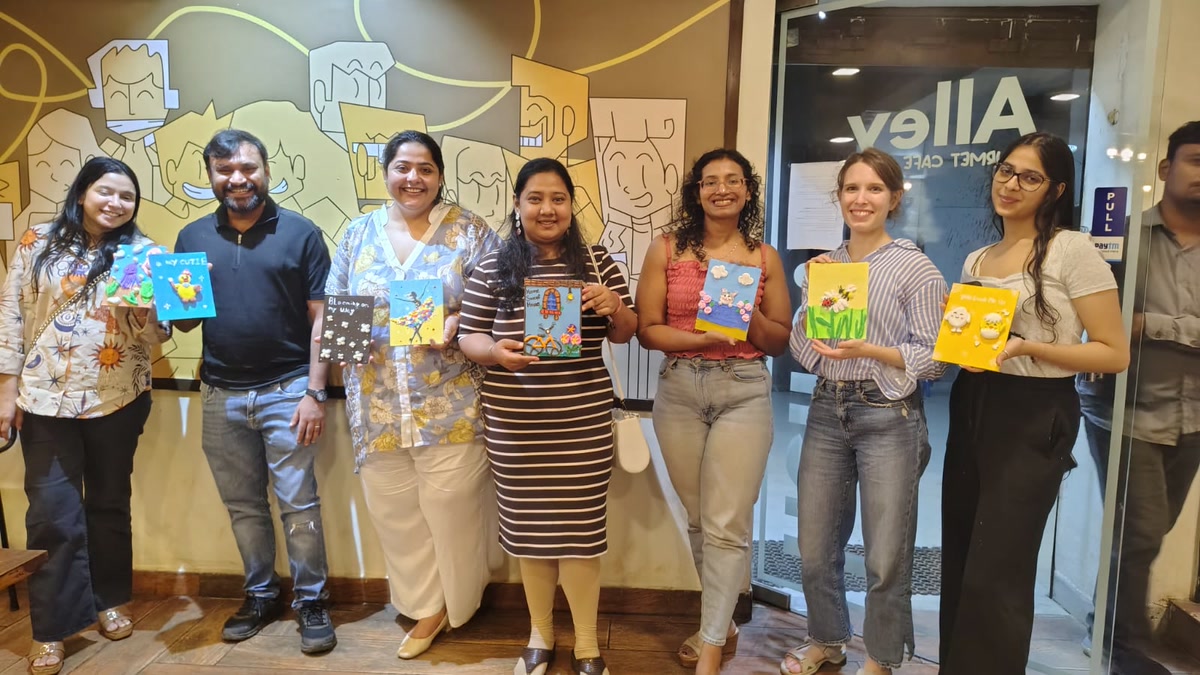
An artistic workshop with a local social group in Bhubaneswar.
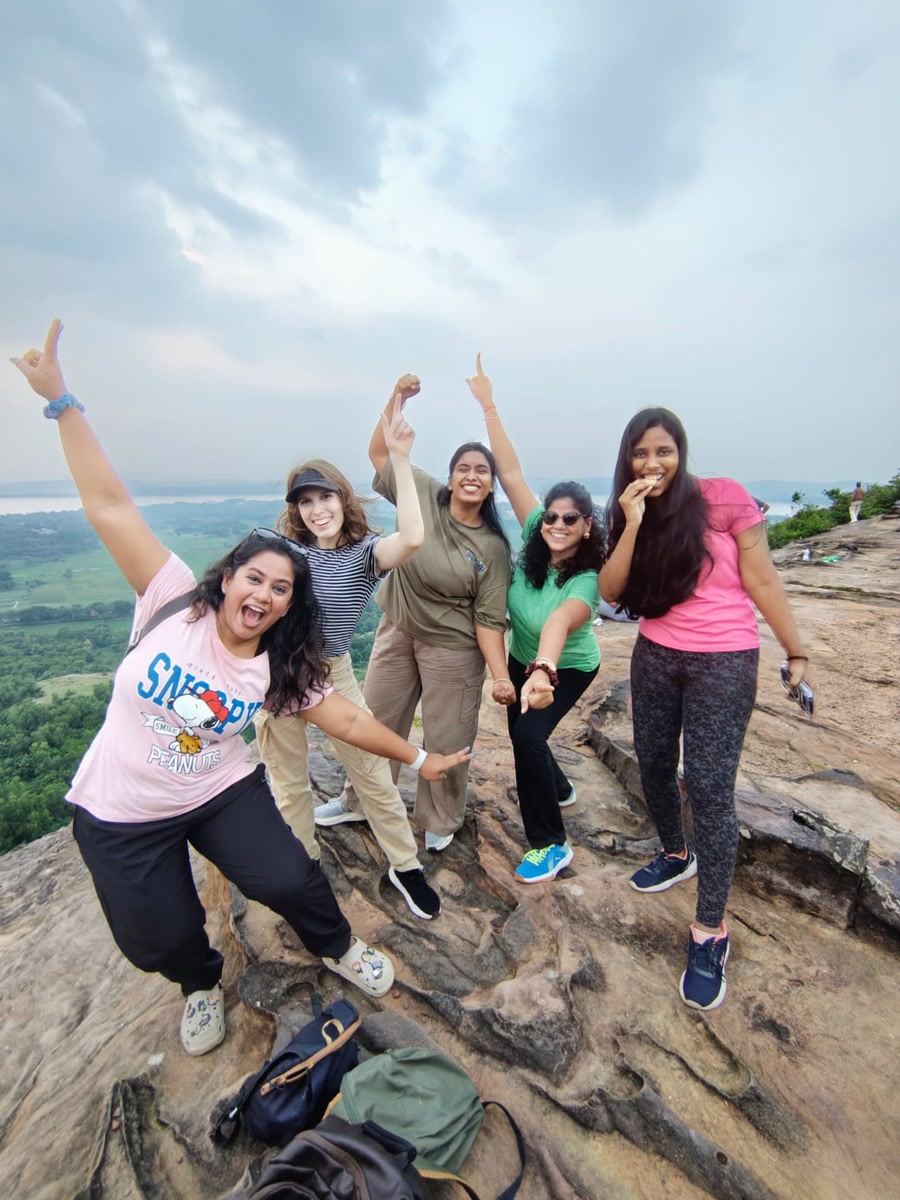
An outing with friends I met through local social groups.
I did not expect to find such a deep sense of community here, or to receive so much support from my colleagues and neighbours. The experience has been intense, but it has also been joyful and rewarding. I am very glad I chose it.
Among the mangroves
Along with her blog, Vera sent us photos and videos from a field trip to OSVSWA’s women-led ecological restoration, climate resilience and green livelihoods project. She wrote:
“We visited the mangrove plantation, planted mangroves with my colleague, saw the working conditions of the women involved, and went on a boat trip. I was struck by how coastal erosion has left parts of the area with very little greenery and few trees. The trip helped me see how important mangroves are for local biodiversity and coastal protection.”
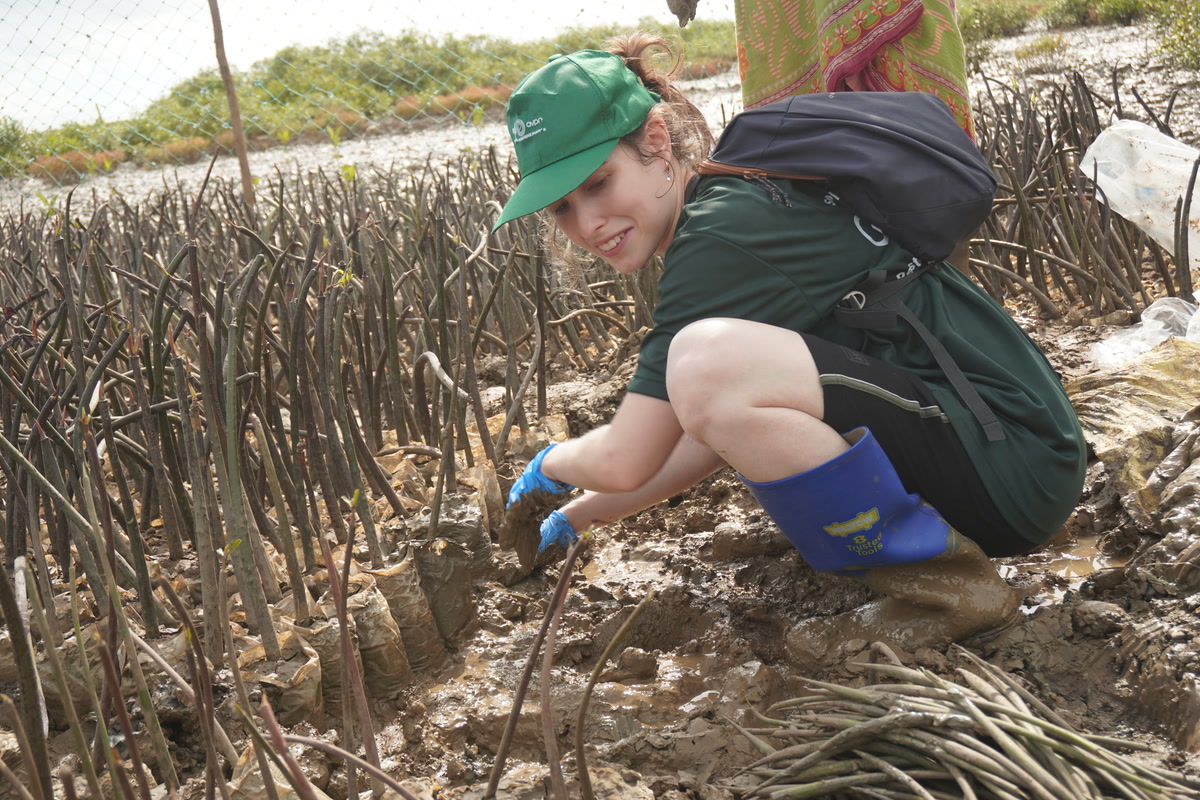
Vera planting mangroves
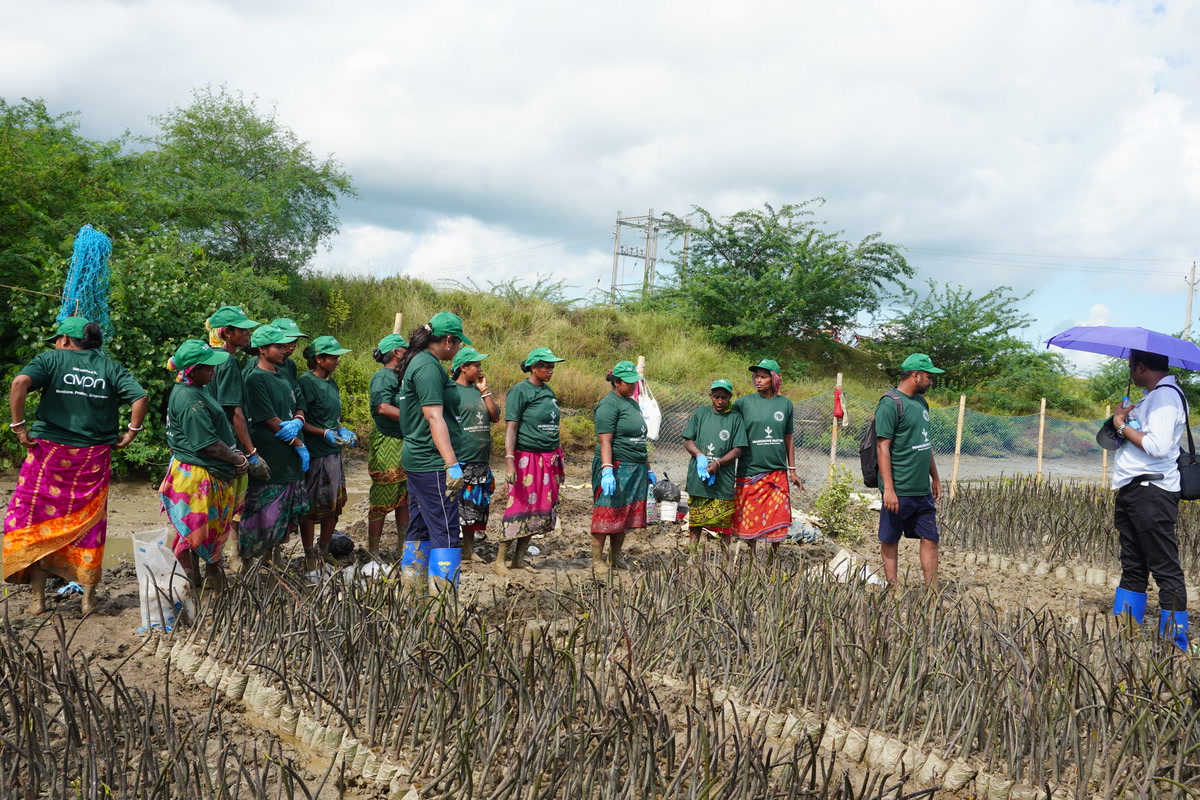
At the mangrove plantation
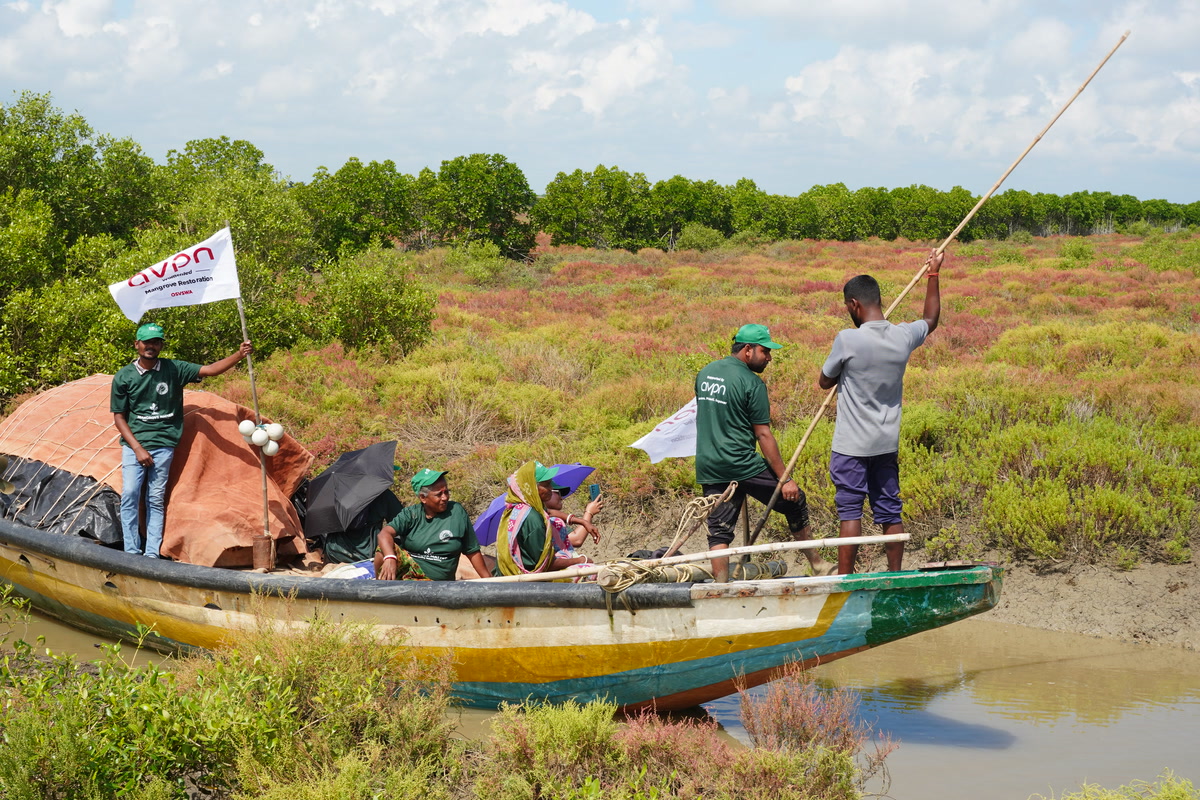
Boat trip during the field trip
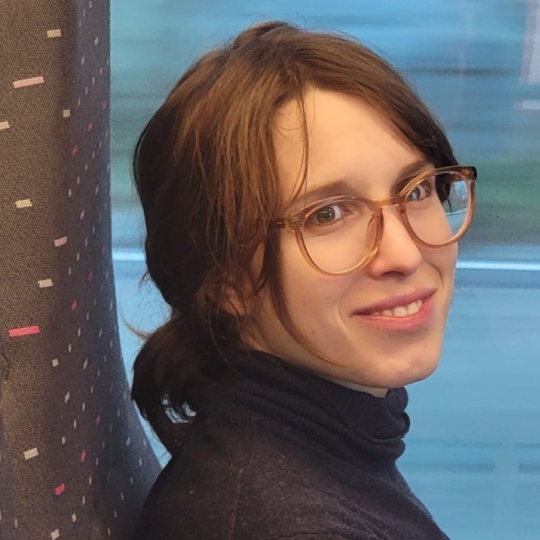
Vera Calabrese
📅 June-December 2026
📍 OSVSWA, Bhubaneswar, India
Want to join an ESC HumAid project?
ESC HumAid is humanitarian volunteering within the European Solidarity Corps in countries outside the European Union, for people aged 18-35. Completing the mandatory ESC HumAid training is a requirement. The programme covers travel, accommodation, food, pocket money and insurance. Vera is part of Lo-Ca, an ESC HumAid project that KERIC coordinates with partners in Ecuador, India and Vietnam.
Funded by the European Union.