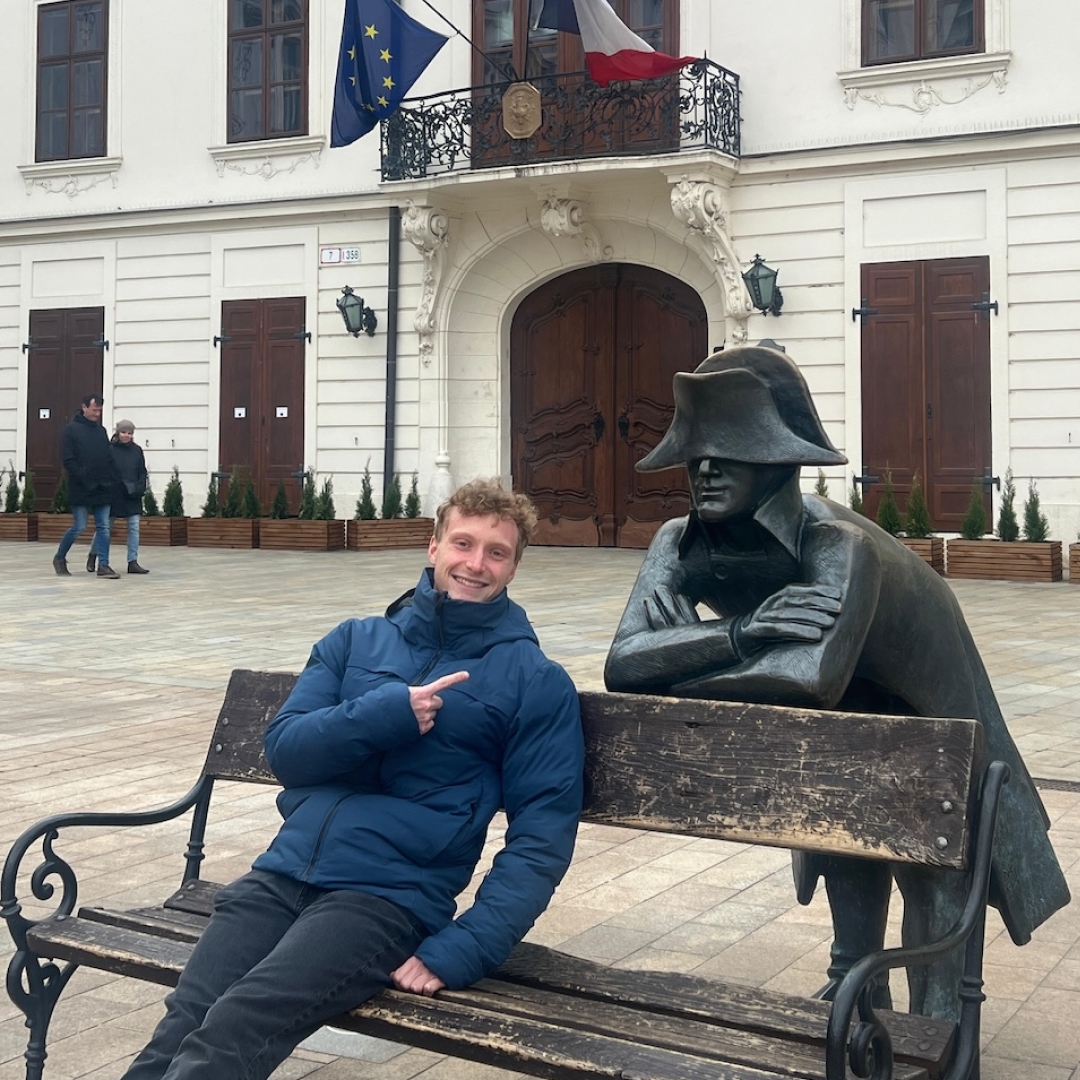
I wanted to apply for volunteering to discover a new country and a new culture, inspired by many people who told me, “It’s very nice to step outside your own culture; you will learn a lot about yourself and about others.” After spending almost all my life at school as a student, I felt it was important to experience an international life, not only by travelling, but by actually living it every day.
Why Slovakia?
A lot of people ask me, “Why did you choose Slovakia?” It’s a difficult question when you come from the west of France. I didn’t really know anything about this country. The only things I knew were Bratislava, the capital city, and Peter Sagan, the famous cyclist from the Tour de France. This country felt quite far away from us, and I only had a few stereotypes about it. Precisely because I didn’t know much about Slovakia, I had this curiosity to discover it from zero.
My answer to this question is actually more about KERIC. When I decided to apply, I applied to eight different NGOs in Eastern and Central Europe. I told myself that I wanted to discover one country from nothing. When I read the offer from KERIC, it felt like the best opportunity for me: living with a lot of people, in a small city like Čadca rather than in a capital city. I had almost no experience with children, but I remembered that when I was a child, I had this little dream of going to a foreign country so that people could discover my own culture. Dream achieved.
After applying, I was accepted almost instantly. Two days later, it was done.
My host family
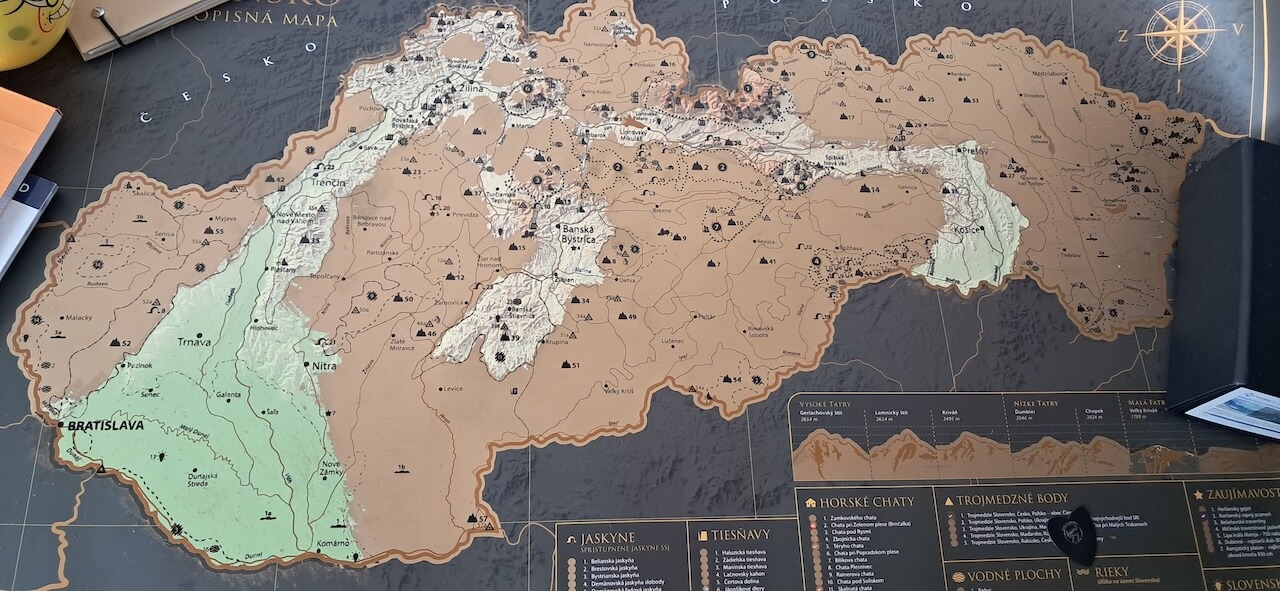
The first week, I stayed with my host family. I had just got off the train and I was already directly immersed in Slovak culture. I remember my first day: we talked together, our English was very poor, but we enjoyed sharing our different cultures. I discovered the map of Slovakia.
Fun fact: during this week, my host family gave me a croissant from 7 Days, a famous brand in Slovakia. It was one of the most disgusting croissants I have ever eaten. Of course, it was the only time I tried that croissant during the whole year. And at the end of the week, I had a party with my host parents and ended up with my host brother and cousin in a bar, discovering Slovak alcohol. I finished the night in their toilet, throwing up for two hours.
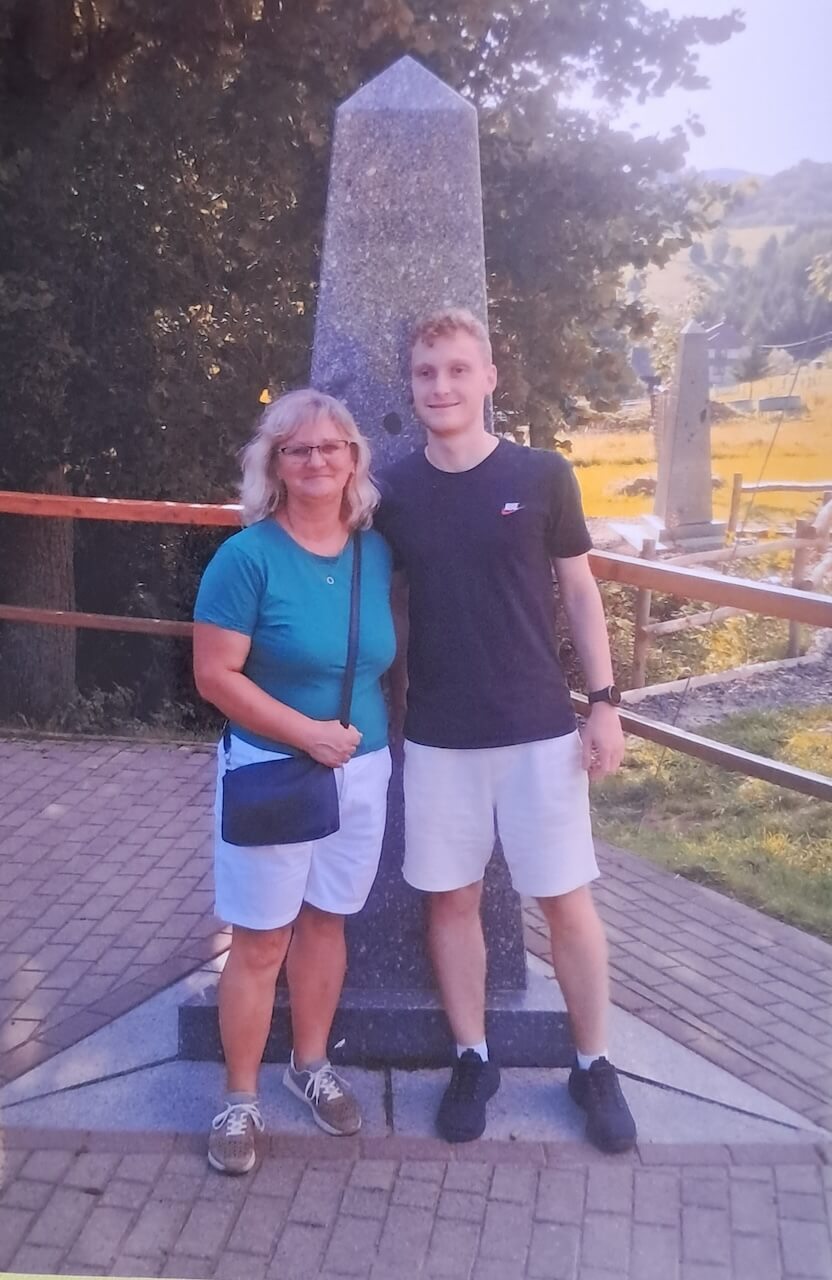
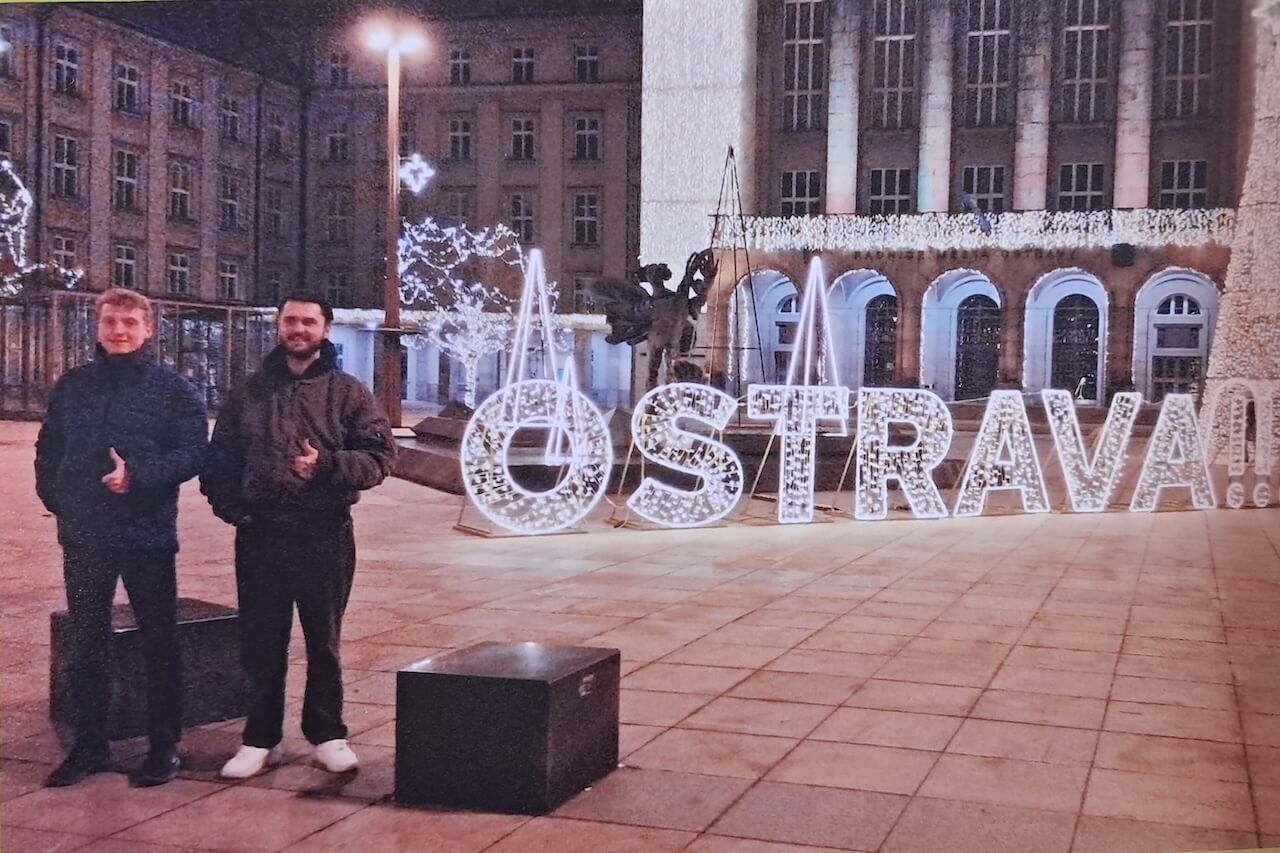
I’m very glad I met my host family. We went on many trips together, which allowed me to discover and learn more about Slovakia. We visited Orava Castle, a Catholic place in Korňa, the Šance site in the Czech Republic, and the triborder.
But my biggest memories with them are still connected to Christmas. I discovered the traditional Christmas meal and spent time with the whole family. It created some really great memories. Personally, it was my first time not celebrating Christmas in France, so I made a video with my Slovak family for my French family.
I’ll never forget my host family, the time we spent together and the memories we created.
https://www.keric.sk/en/keric-volunteers/1842-my-11-months-in-slovakia-florian-s-esc-year-at-keric#sigProIda1325d46a0
Green hills, a cold winter and finding my balance
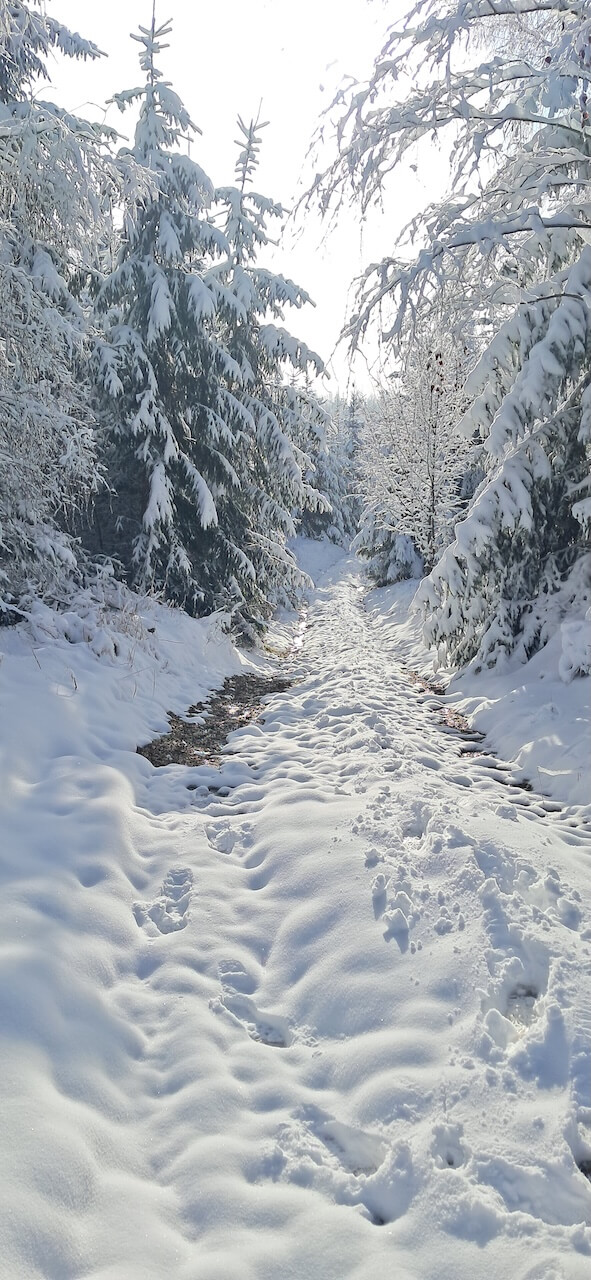
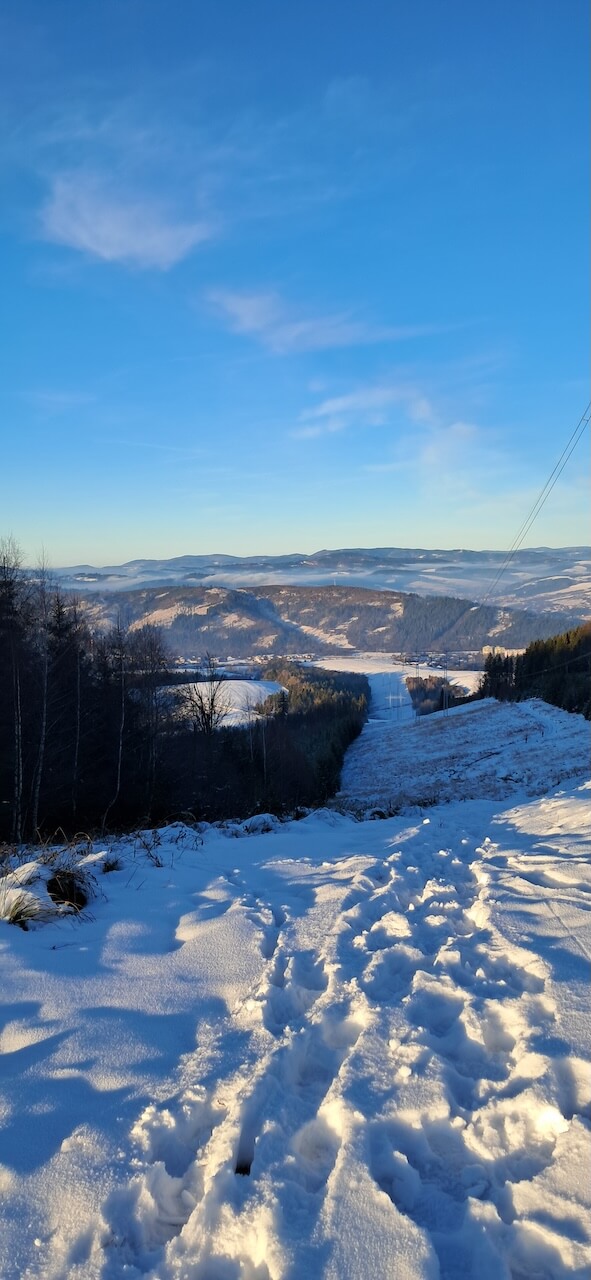
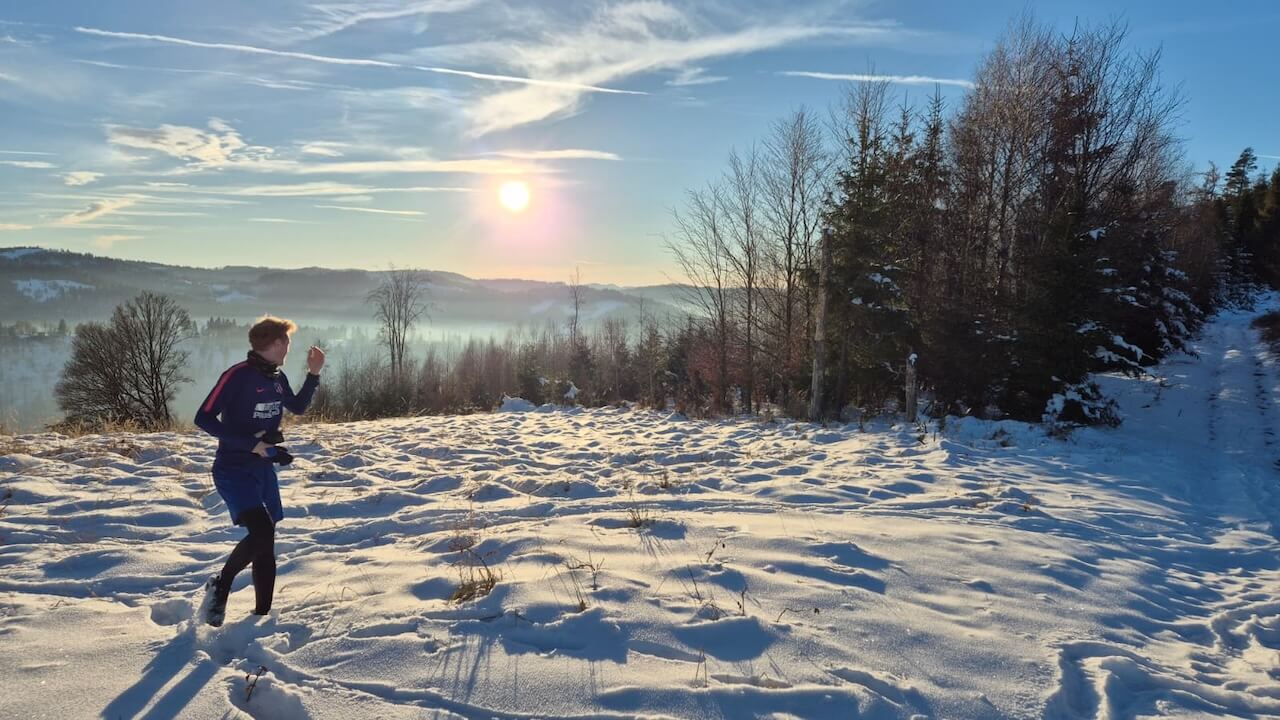
For reaching Čadca, I took a train from Prague, and when I crossed the border, I immediately saw the nature. Everything was green, with cute hills everywhere. I understood that my year was going to be amazing for running and hiking in the Kysuce Region. Before coming to Slovakia, I was thinking that the weather and the short days during winter would be difficult. And finally, I enjoyed winter so much. Yes, the temperatures were cold, between 0°C and -15°C, but for me, it was something new to live in a cold area with snow for almost three months.
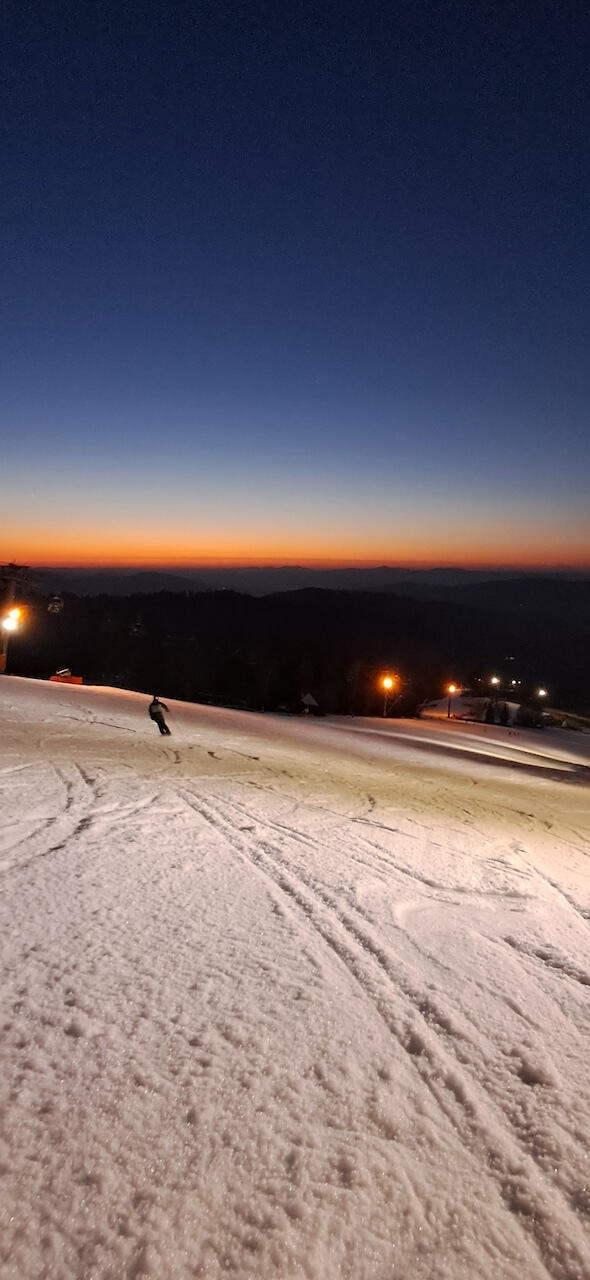
And about the short days, it can be a little depressing to have the sunset at 3:30 PM. But when you find activities to do, it’s completely fine. I enjoyed going to the pool, going to the ski slope for night sessions, or simply going to bed early.
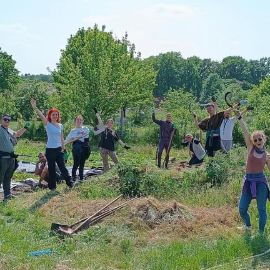
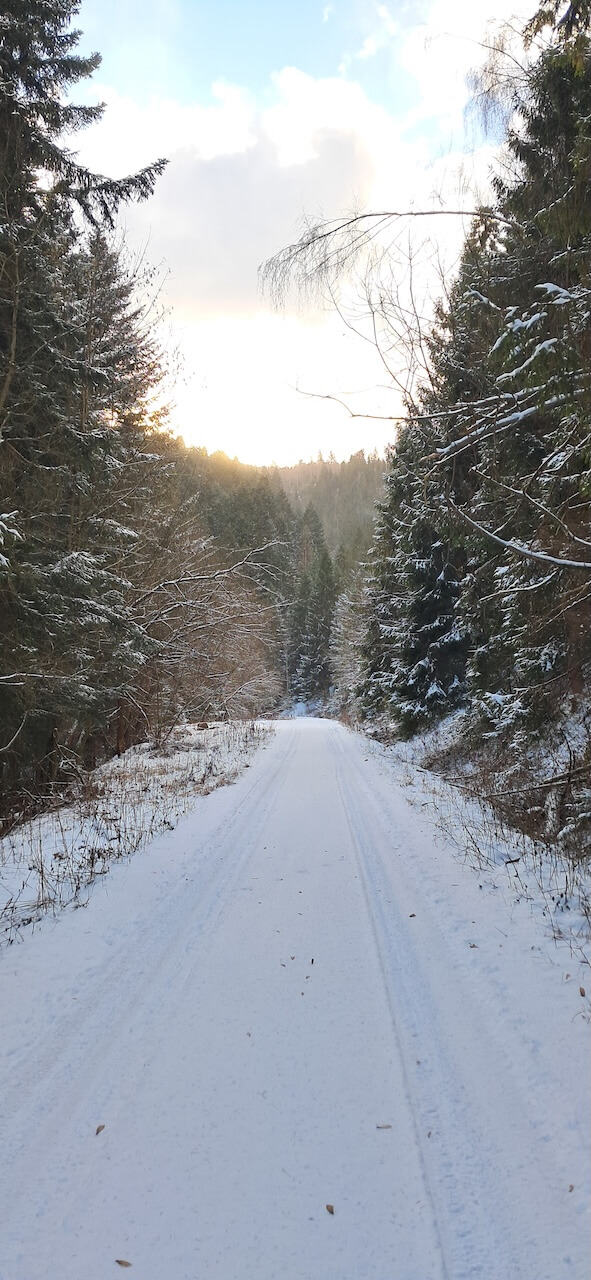
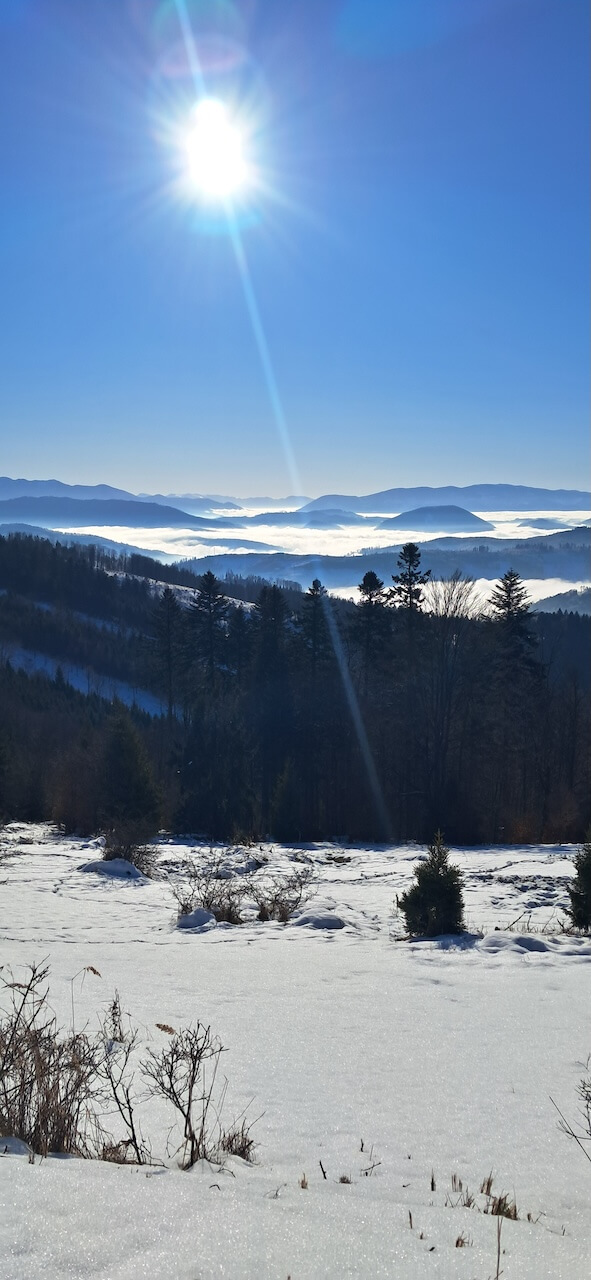
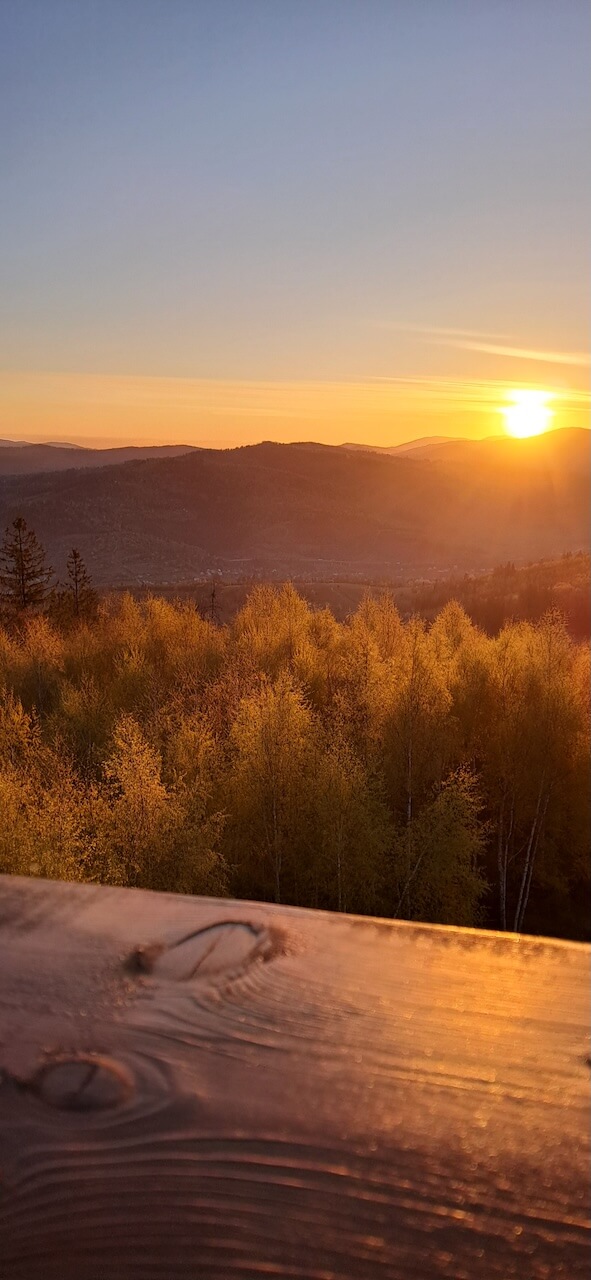
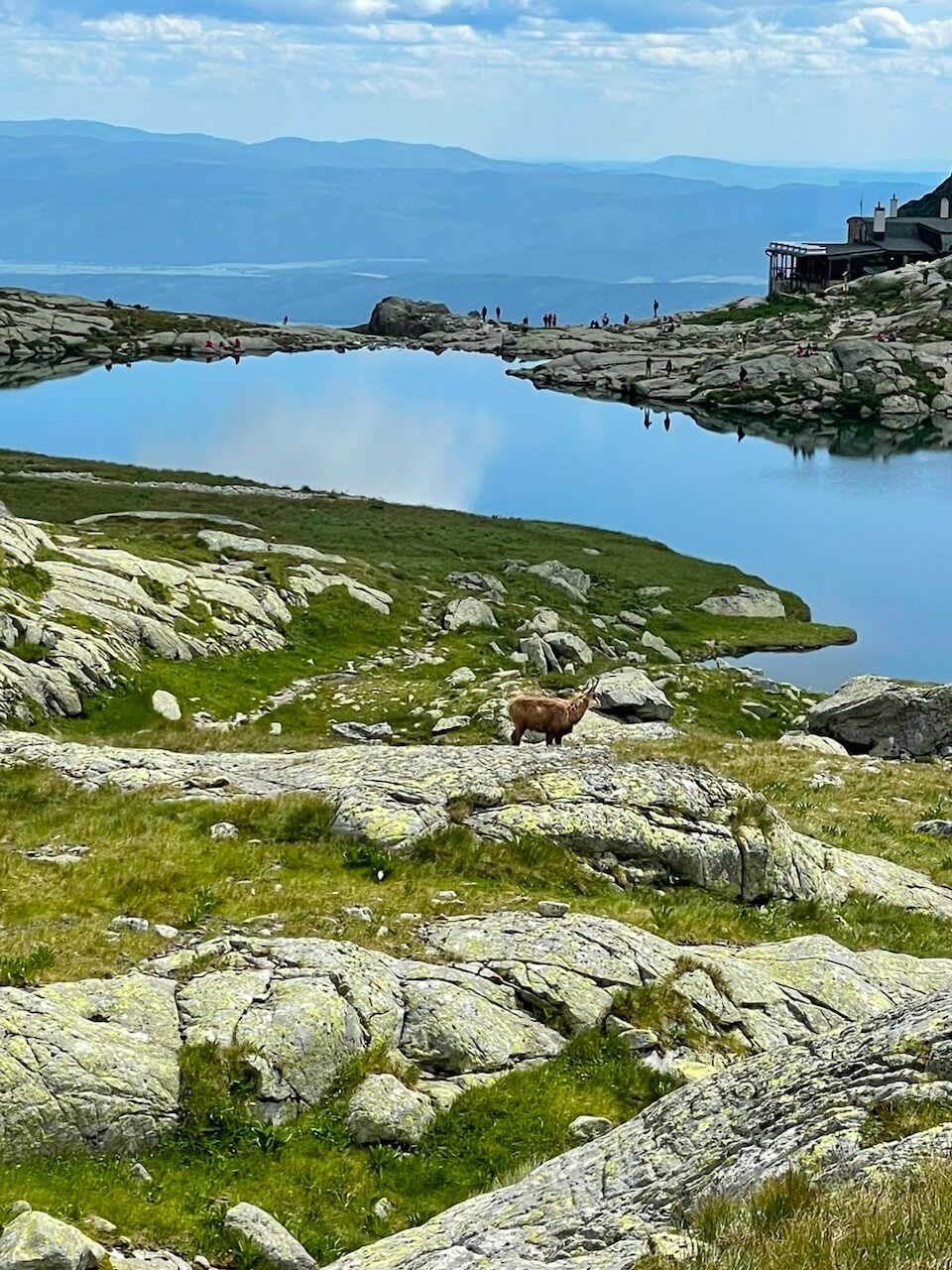
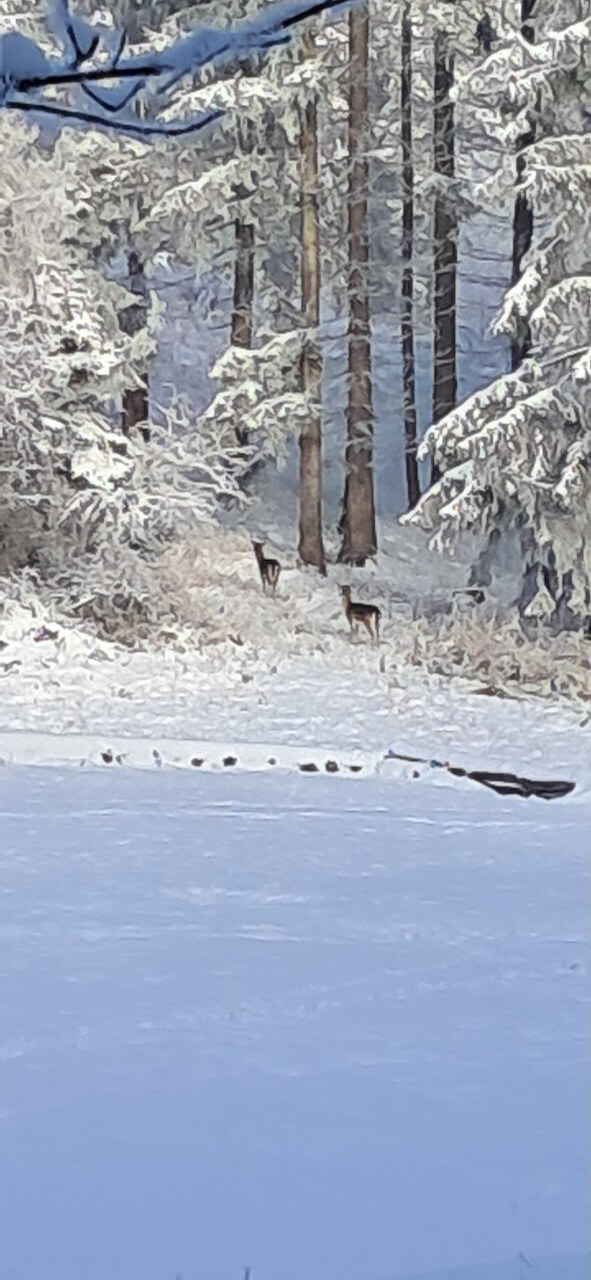
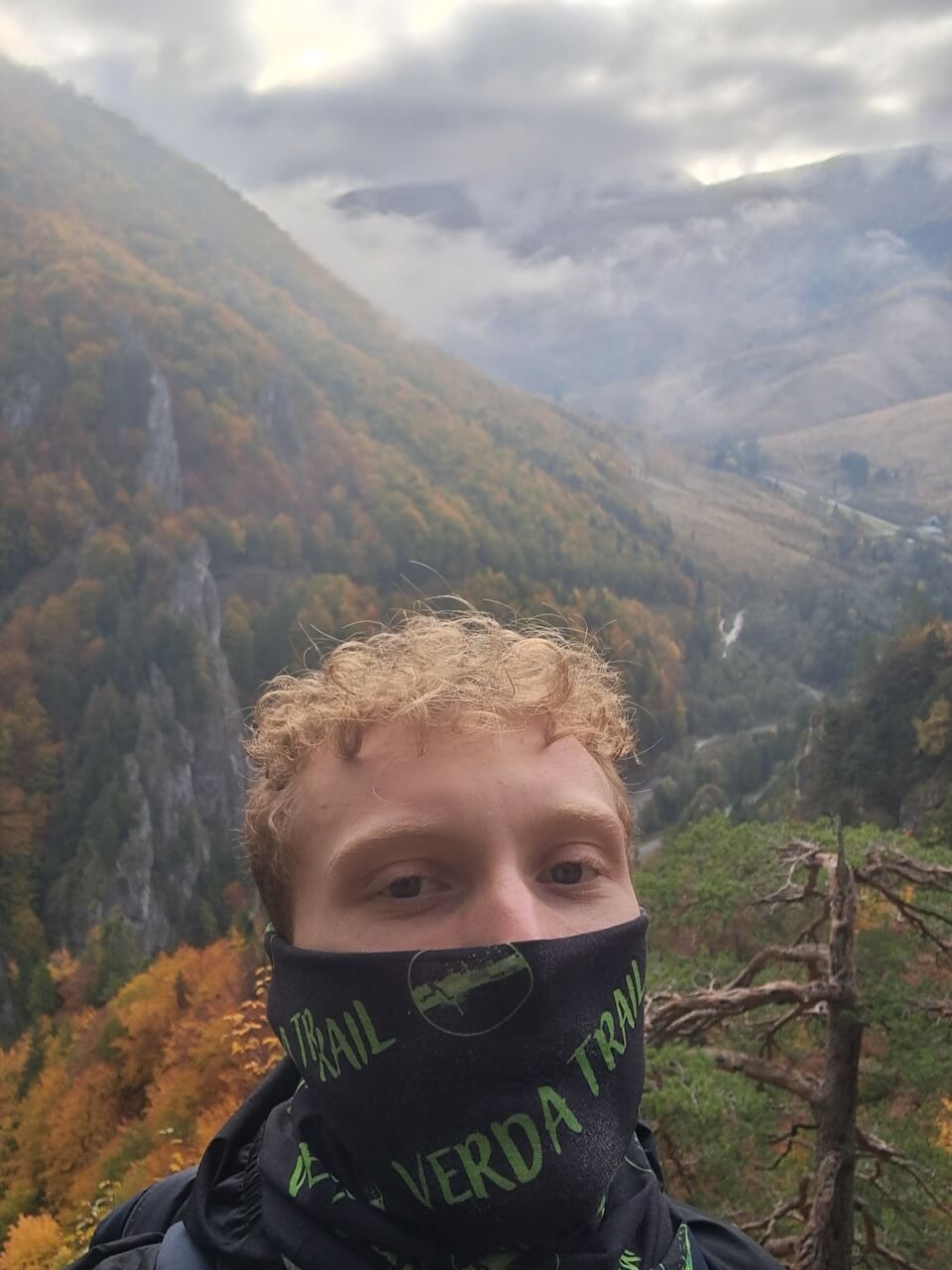
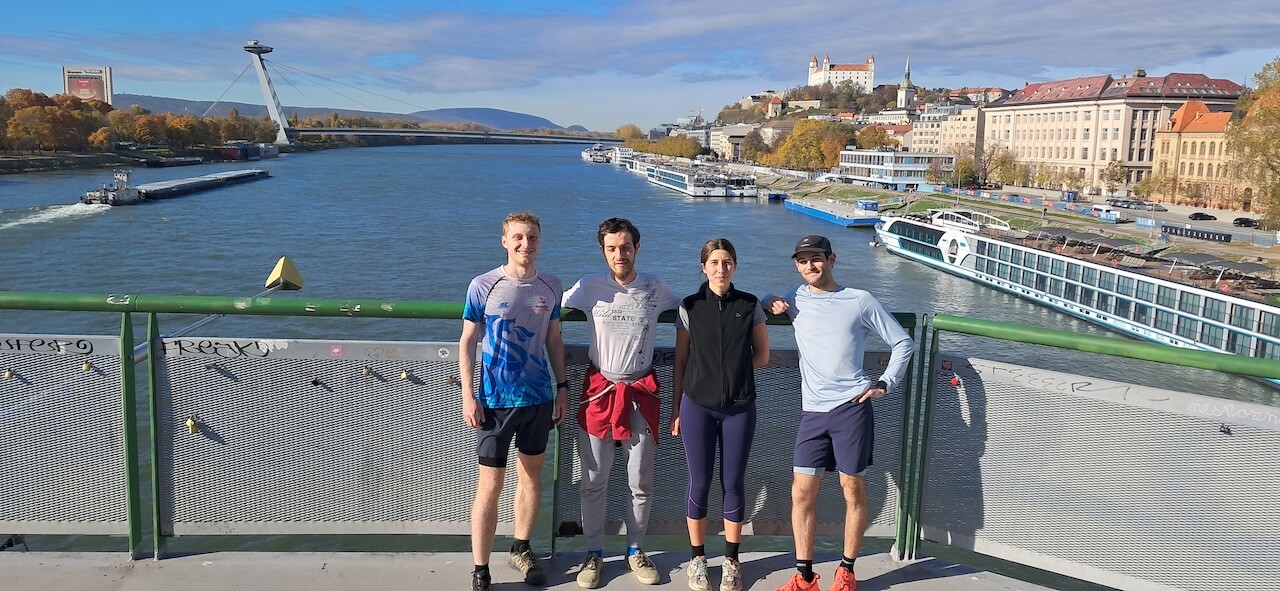
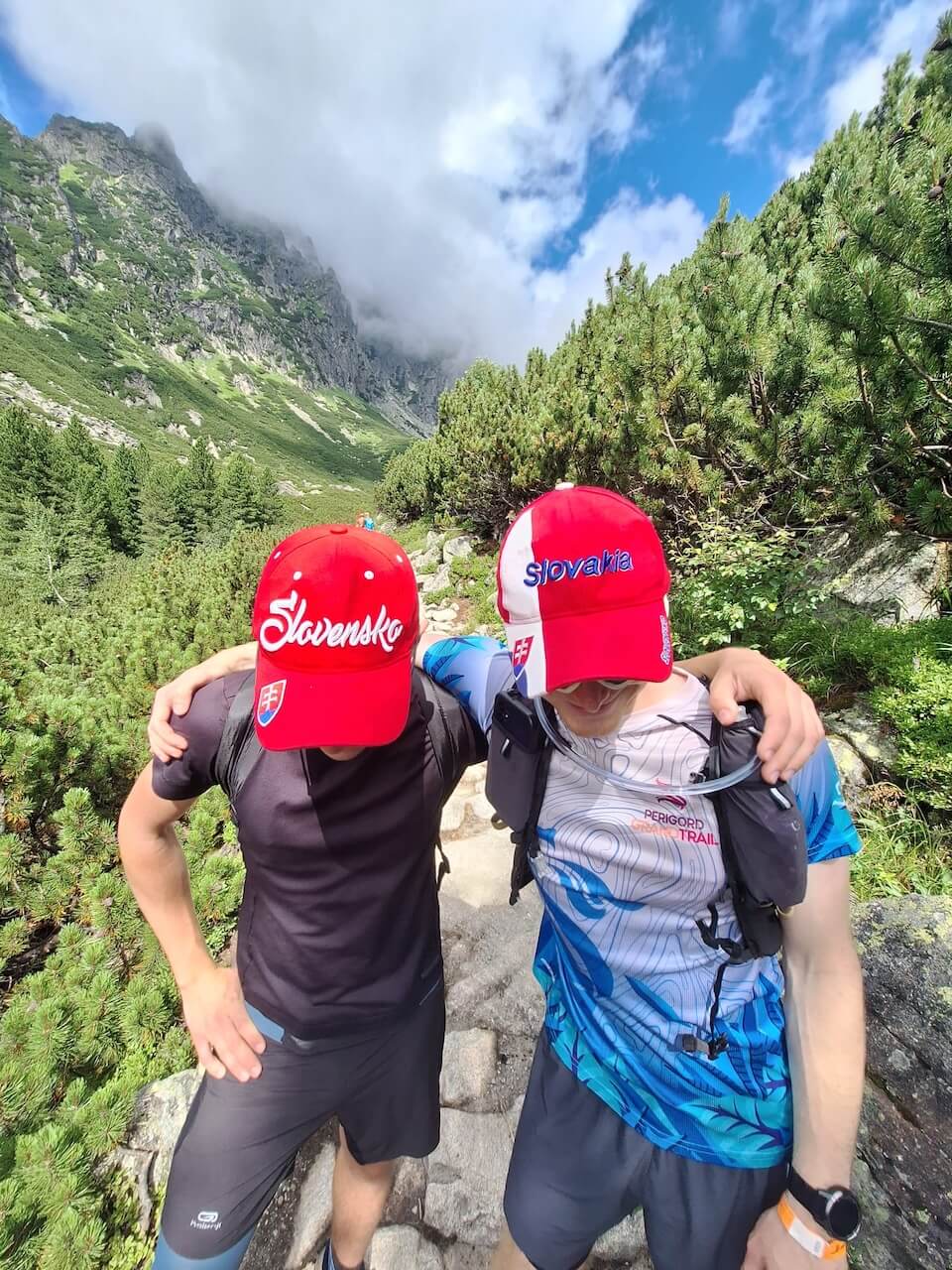
Personally, this project was very tiring. I was constantly surrounded by different people: children at school, the other volunteers, and people involved in our social project. We had to be available for others and give them our time. It was part of our job. So, to find a balance, I had to find some activities I could do alone, to escape from the other volunteers when they were making too much noise. I spent a lot of time outside KERIC, enjoying nature with deer, foxes and the sound of birds, watching the sunset on the hills around Čadca and discovering Slovakia through trail running and hiking.
https://www.keric.sk/en/keric-volunteers/1842-my-11-months-in-slovakia-florian-s-esc-year-at-keric#sigProId72061847ce
Running, snow and a medal from an Olympic champion
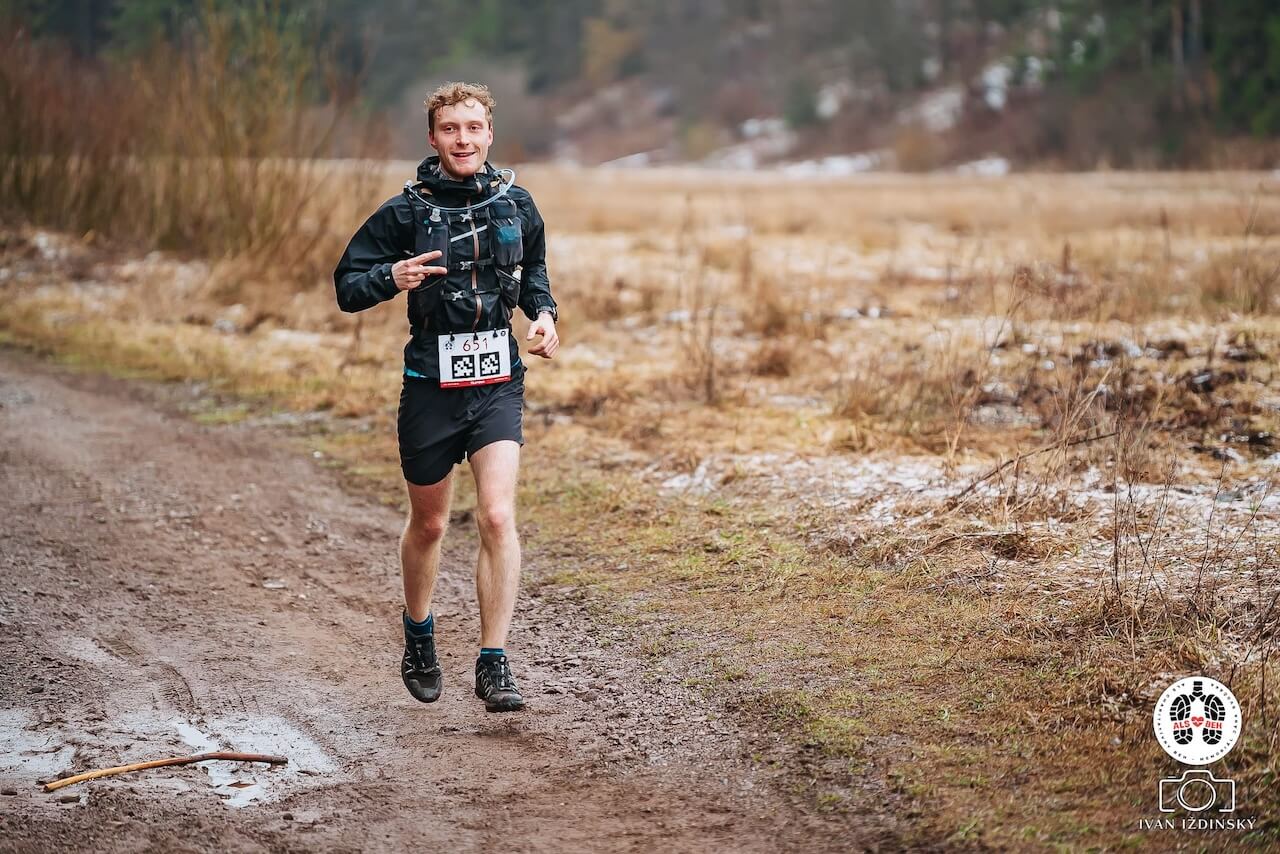
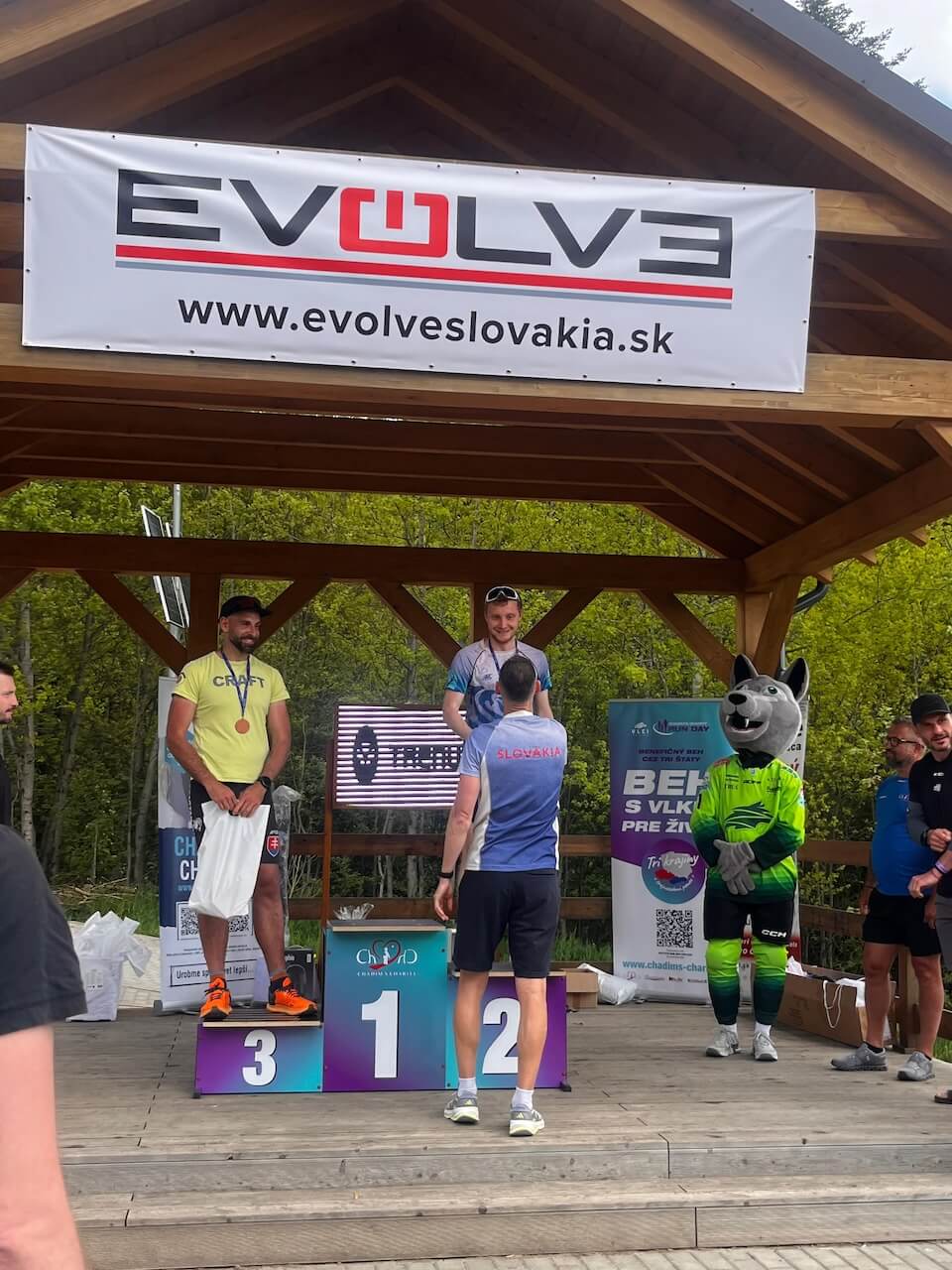
During the winter, I went to the pool and to the ski resort. I also had the chance to participate in some races in Čadca, such as Beh na Husarik and Dobrobeh. I also took part in the ALS Beh charity race in Svit and reached a podium at Chadim’s charity race. I even received the medal from Olympic champion Matej Tóth.
https://www.keric.sk/en/keric-volunteers/1842-my-11-months-in-slovakia-florian-s-esc-year-at-keric#sigProId4e88ab4f40
My biggest challenge: English
My biggest challenge at the beginning was my English level. With an A2 level in the TOEIC a few months before, I had been rejected by a school for this reason. At the beginning, I suffered a lot. I wasn’t able to understand the first online meetings. But I wanted this situation. I wanted to be alone, without being helped in French. I didn’t have a choice: I had to adapt to the way people spoke in order to learn English. My first month was hard. I had to adapt to everybody’s accents and develop my communication skills. But when you get used to speaking English every day, it isn’t a problem anymore.
Working with children
I had never worked with children before this project, so at school and during KERIC activities, I developed my creativity to always have something interesting and new for the children. I developed my patience too, because I had to explain things in a language I didn’t speak very well. Sometimes, you have to explain again and again until everybody understands. Every time, I had to find another word or change my pronunciation to be understandable, and by doing this, I improved my English.
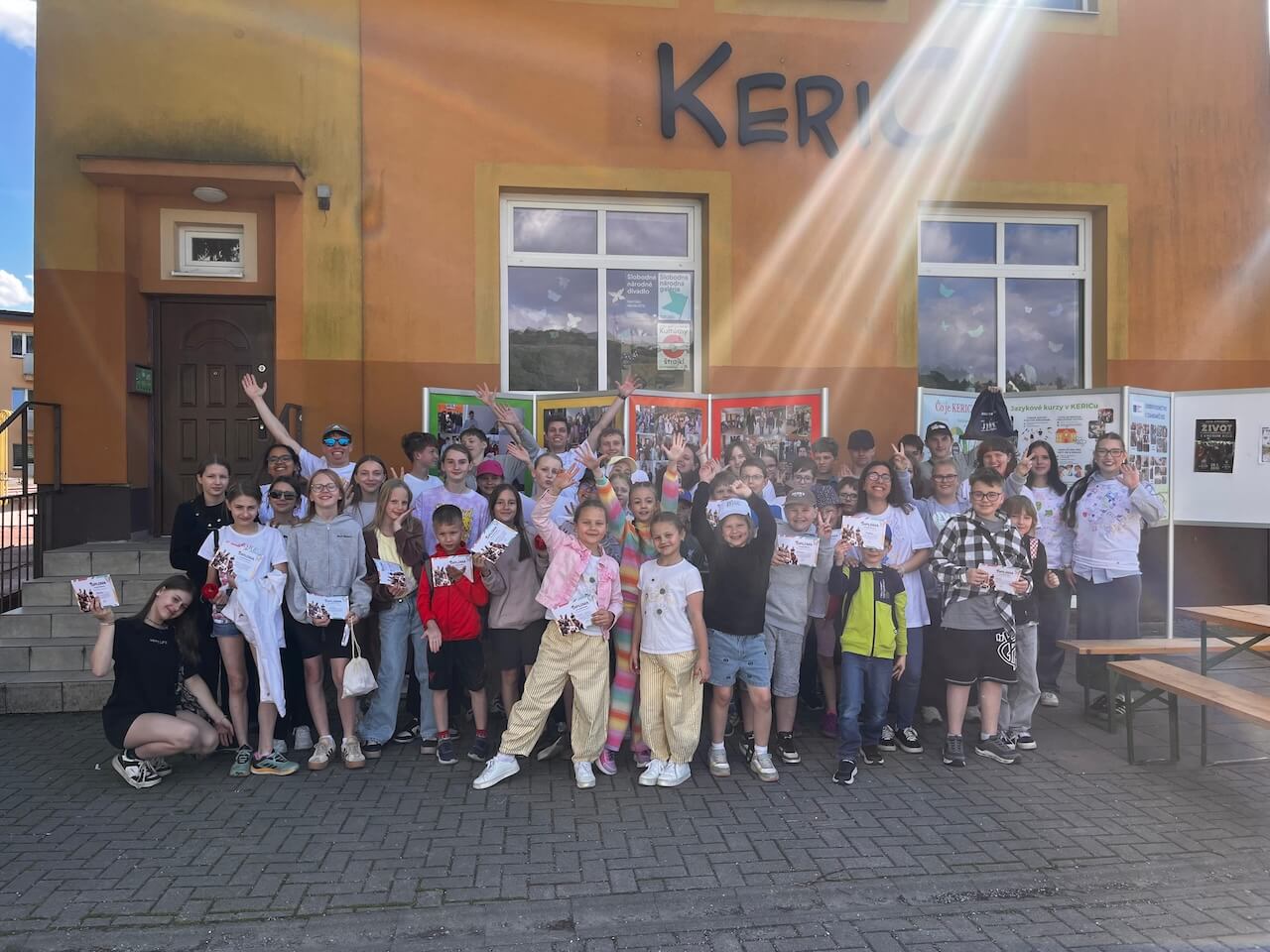
Catching the children’s attention was a big challenge throughout the year because, for me, it is the most important thing: you have to be interesting for the students. So I found many different tips.
Speak a little Slovak
The first one was speaking Slovak. Using a few Slovak words gives you more ways to communicate. It is always funny, and you can gain the respect of the children and teachers because you show that you are trying to make an effort and adapt to their culture. People really appreciate it.
Change the tone of your voice
The second tip was changing the tone of my voice. The kids were sitting in front of me, so when I spoke, I had to be clear and not speak for too long if I wanted to keep things interesting, especially when the topic was complicated.
Add movement
Another tip was adding movement to my activities and changing positions. When people are sitting for a long time, it is very difficult to keep everybody focused. Changing the routine is perfect for them. This is a skill I can use in many different situations and with every age group. Communication is a powerful skill.
Three schools, three different worlds
I went to Skalité Kudlov, Korňa and Gymnasium Čadca for French lessons. In every school, I found something different, from the atmosphere to the children.
Gymnasium Čadca
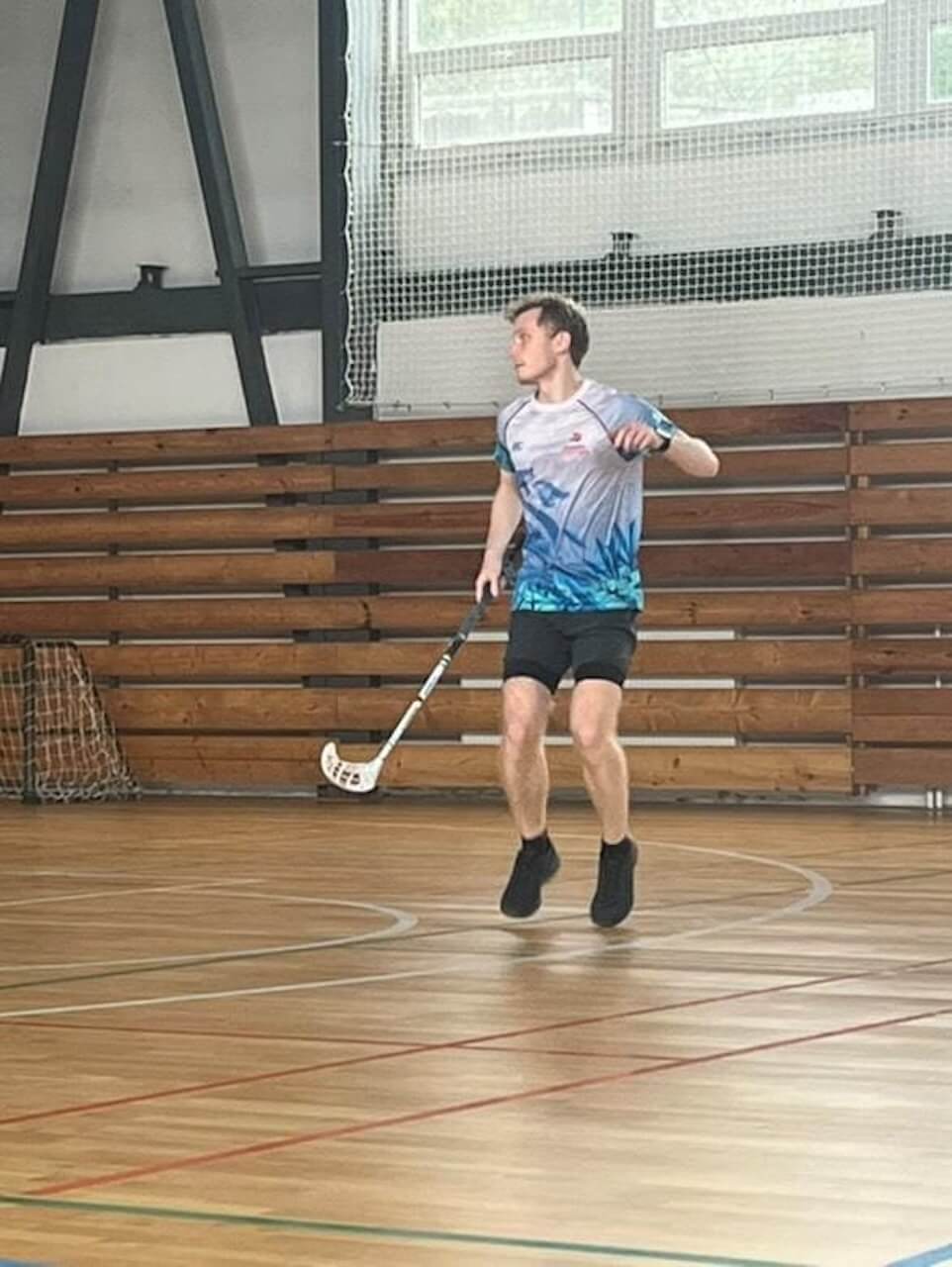
At Gymnasium, I taught French to students aged 16 to 20, and I really liked teaching my own language every week. I had to think about and use some grammar rules that I had completely forgotten because I’m not used to consciously following these rules as a native speaker. It was interesting because I never really felt like I was speaking my own language. I had to think every time, adapt my vocabulary and speak slowly. I also played some sports with the students and discovered a new sport for me: floorball. It’s like ice hockey without the ice. It’s very technical because you have to control the ball with a stick. And it’s not very good if you have back pain.
Korňa
In Korňa, this primary school is in a village that was elected the most beautiful village in Slovakia in 2023. Behind the school, we could see a huge forest. I really enjoyed admiring the nature in this region. Even the houses and the football stadium are very beautiful. The atmosphere was very nice and peaceful, with small classes. Most of the time, we had conversation-based lessons. I learned a lot about village life and the lifestyle of the people there. For this school, I had to present the French system, and we compared different aspects together: the school system, holidays, Christmas, food, sport, and so on.
Skalité Kudlov
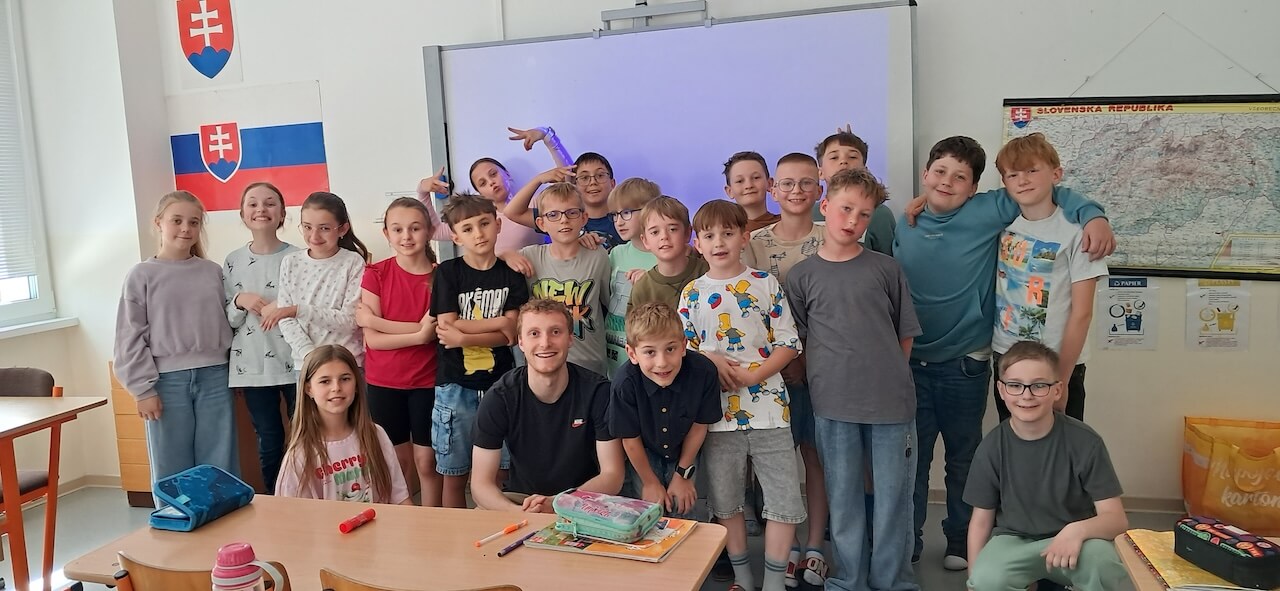
And Skalité Kudlov was also a primary school surrounded by beautiful nature, next to the tripoint between Slovakia, Poland and the Czech Republic. Unlike Korňa, I had crowded classes of 15–25 students. In this school, I had to find activities about different topics. With teenagers from grades 7, 8 and 9, I had to think more about how to become interesting, and there was no room for boring activities. I will remember one of the 5th-grade classes. There were 20 students, so we could be a little scared at the beginning, but their energy was amazing, and they were motivated to do everything.
The food shock
Now, I want to complain.
The food in Slovakia was my biggest culture shock. I learned that it’s okay not to have dessert at the end of a meal. I missed bread a lot for finishing my plate. I was also very surprised by how much Slovak people waste food in restaurants or at school. I learned that it is possible to mix sweet and salty food in the same dish, like meat and jam, or pasta and sugar together. I was so happy not to have school on Fridays because it meant I could avoid the sweet lunch.
Now, I love Slovak soups. There are so many different ones, and they are really tasty — except kapustnica, the cabbage soup. For the main dish, my favourite will always be bryndzové halušky.
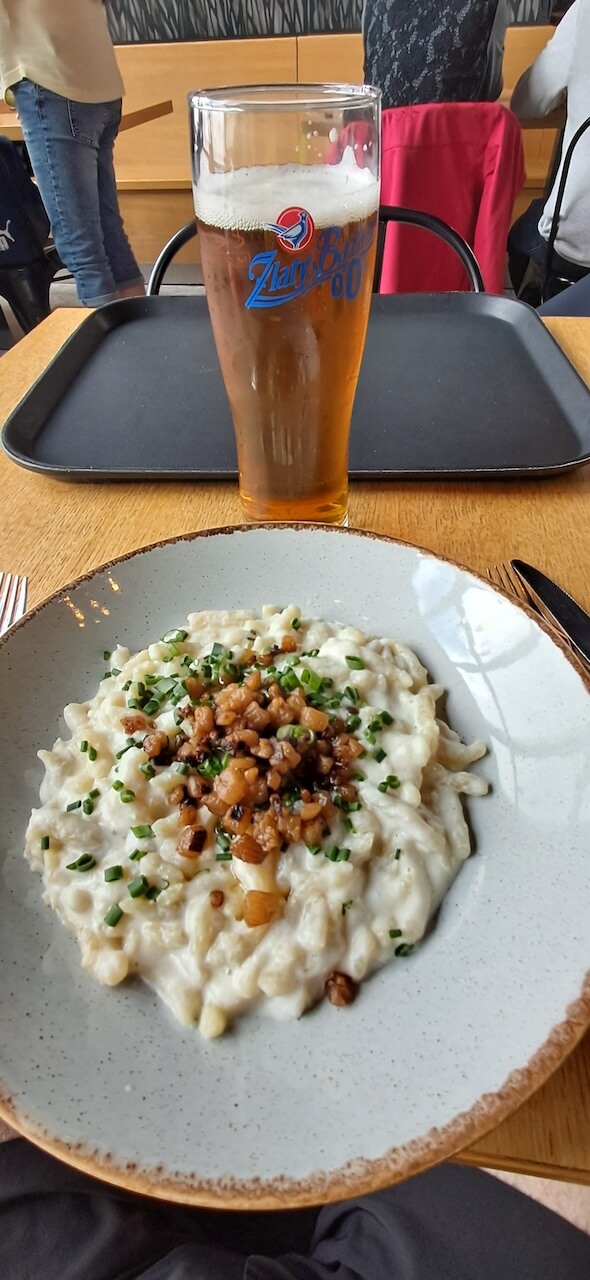
For me, the purpose of Slovak food isn’t really to focus on the taste, but to be ready for the cold winter. Lots of potatoes, flour, rice and fried food. Vegetables are often missing from the plate. And for drinks, my favourite is pivo (beer) with lots of foam. Otherwise, it isn’t healthy. Strong alcohol isn’t really my cup of tea. I only like the moment when you have a welcome drink with the most famous one.
Living and working with nine people
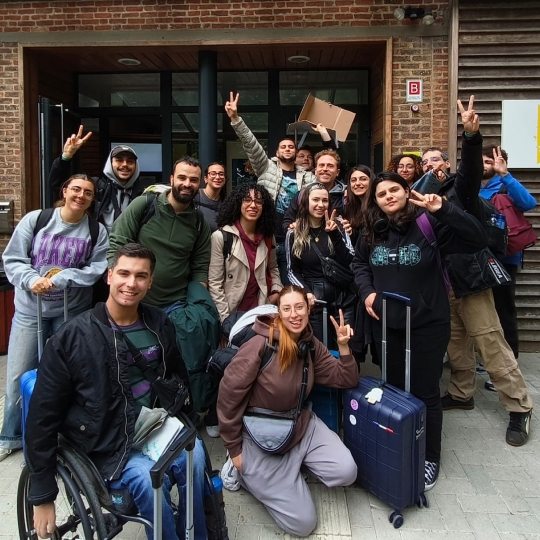
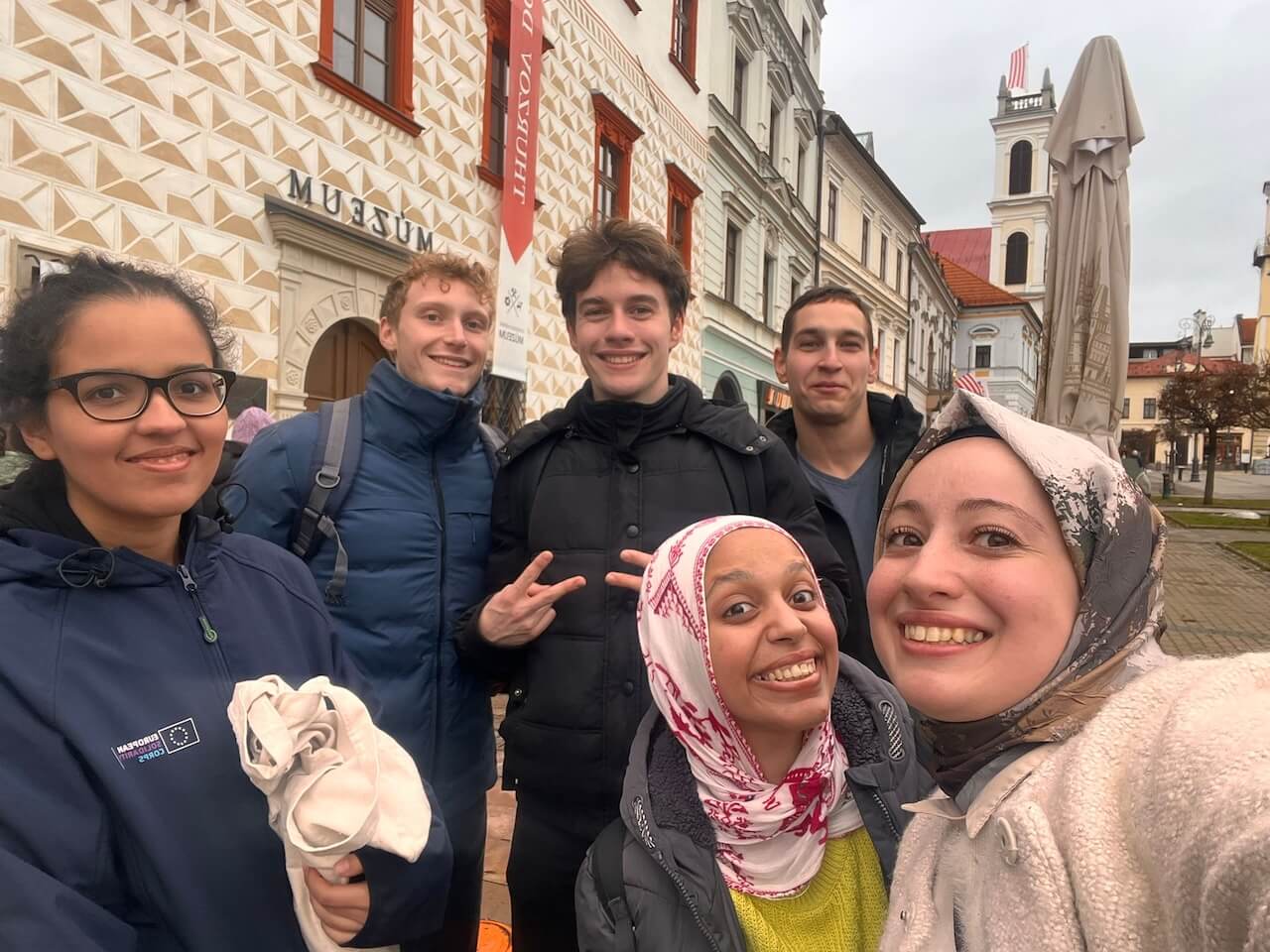
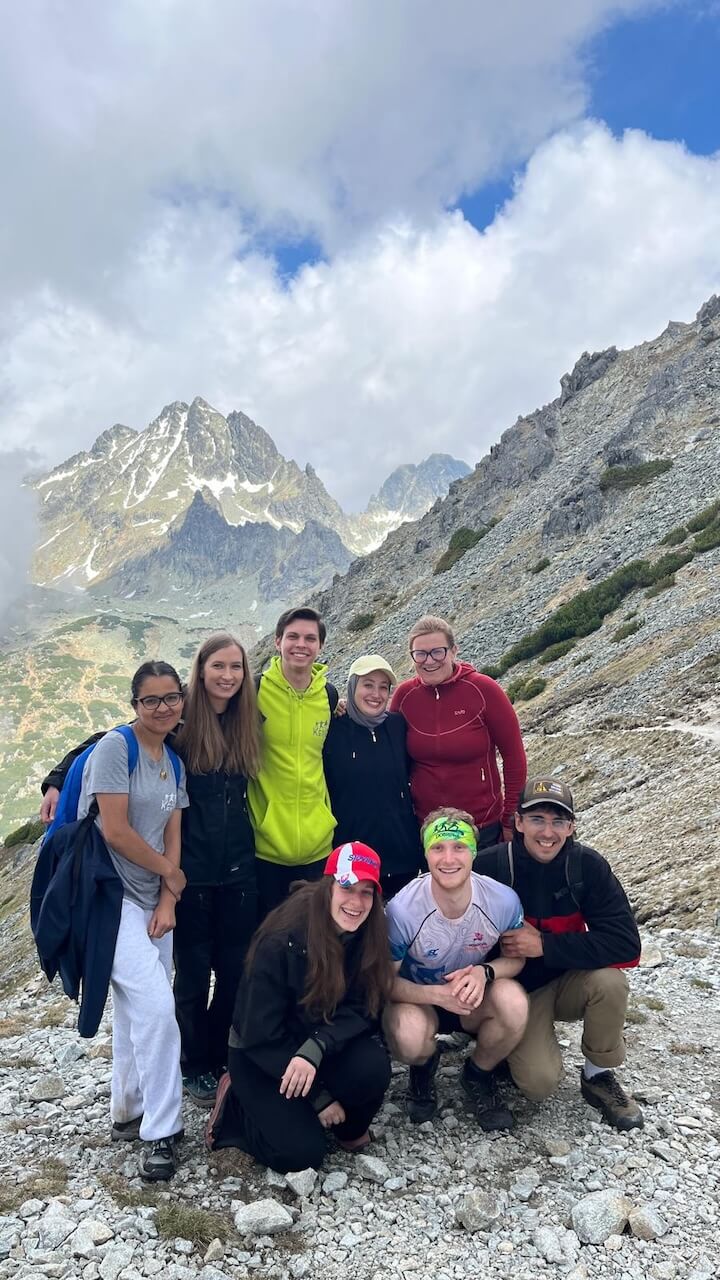
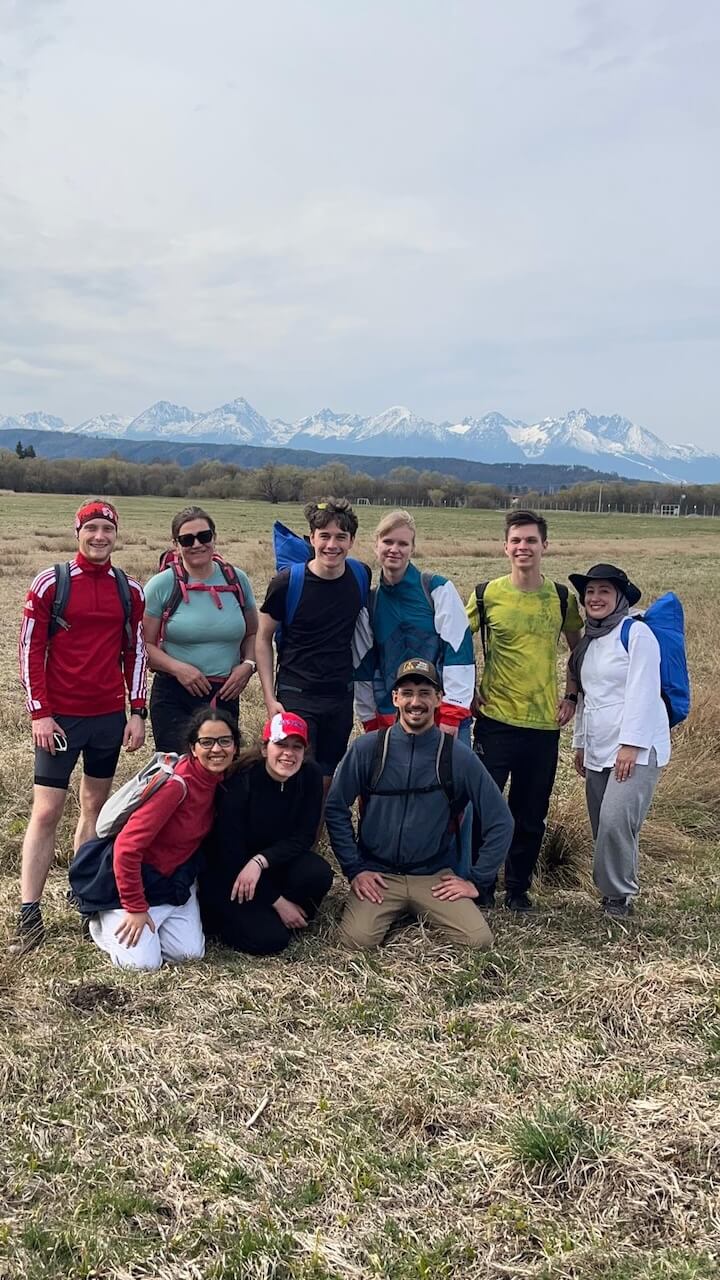
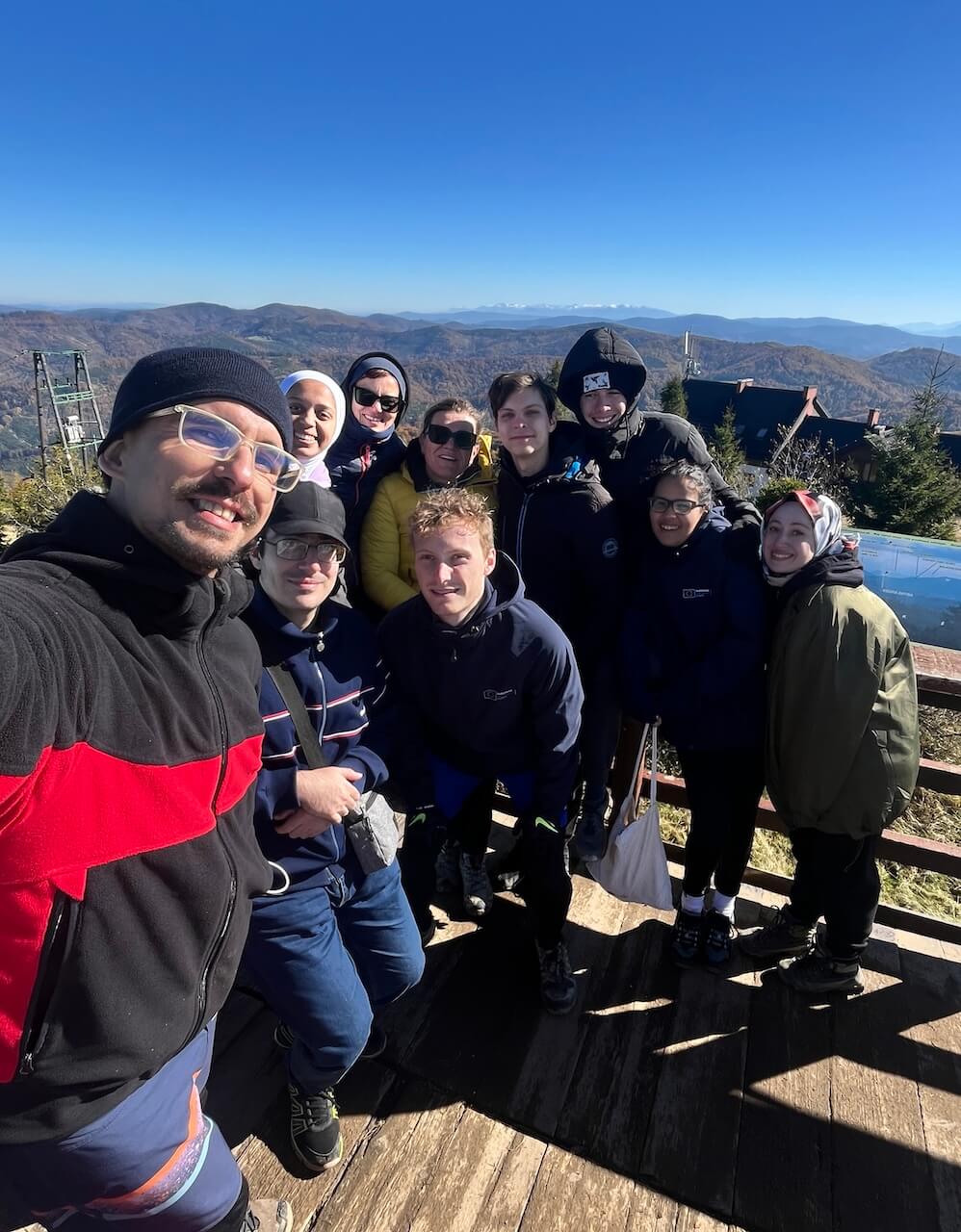
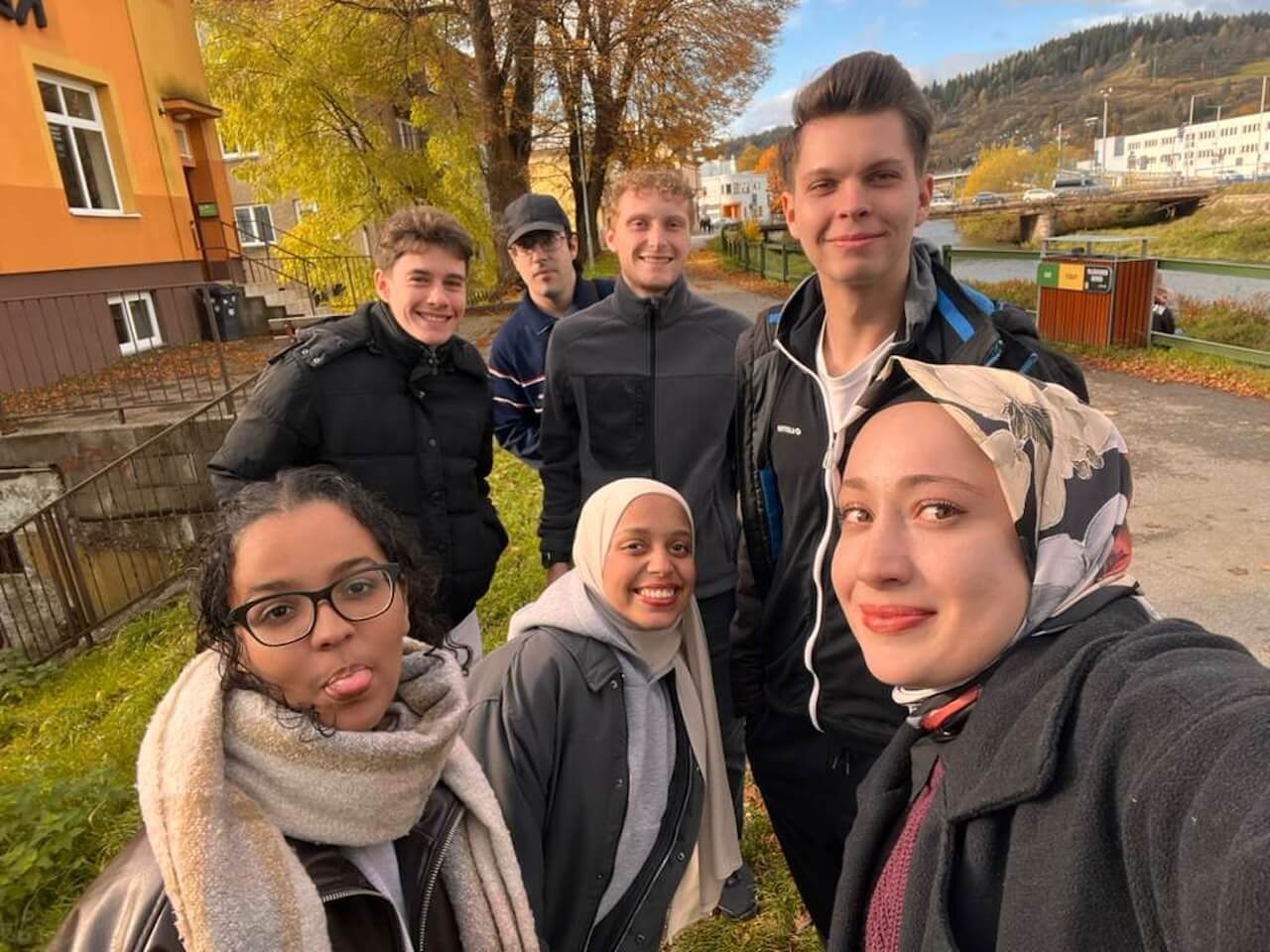
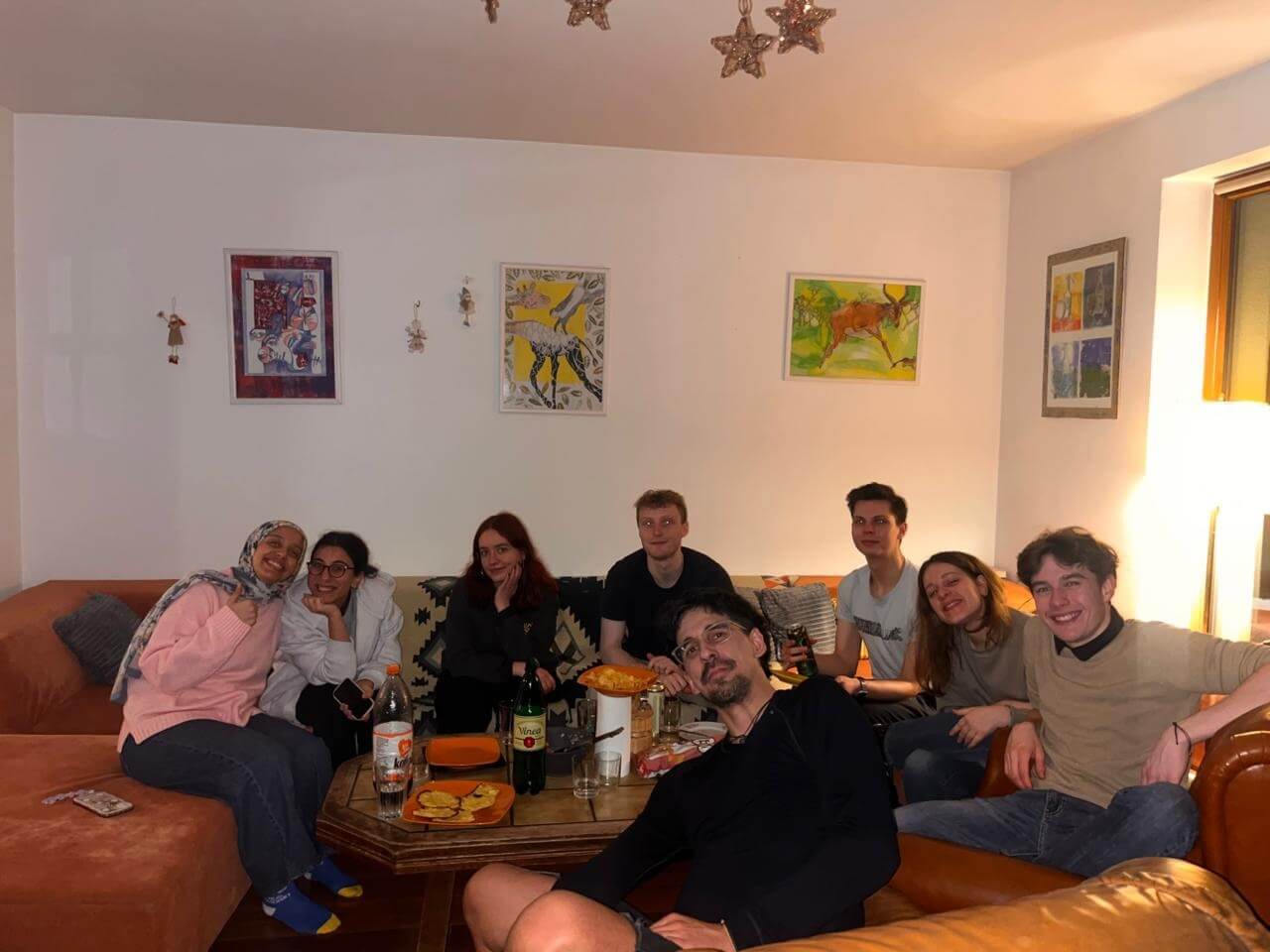
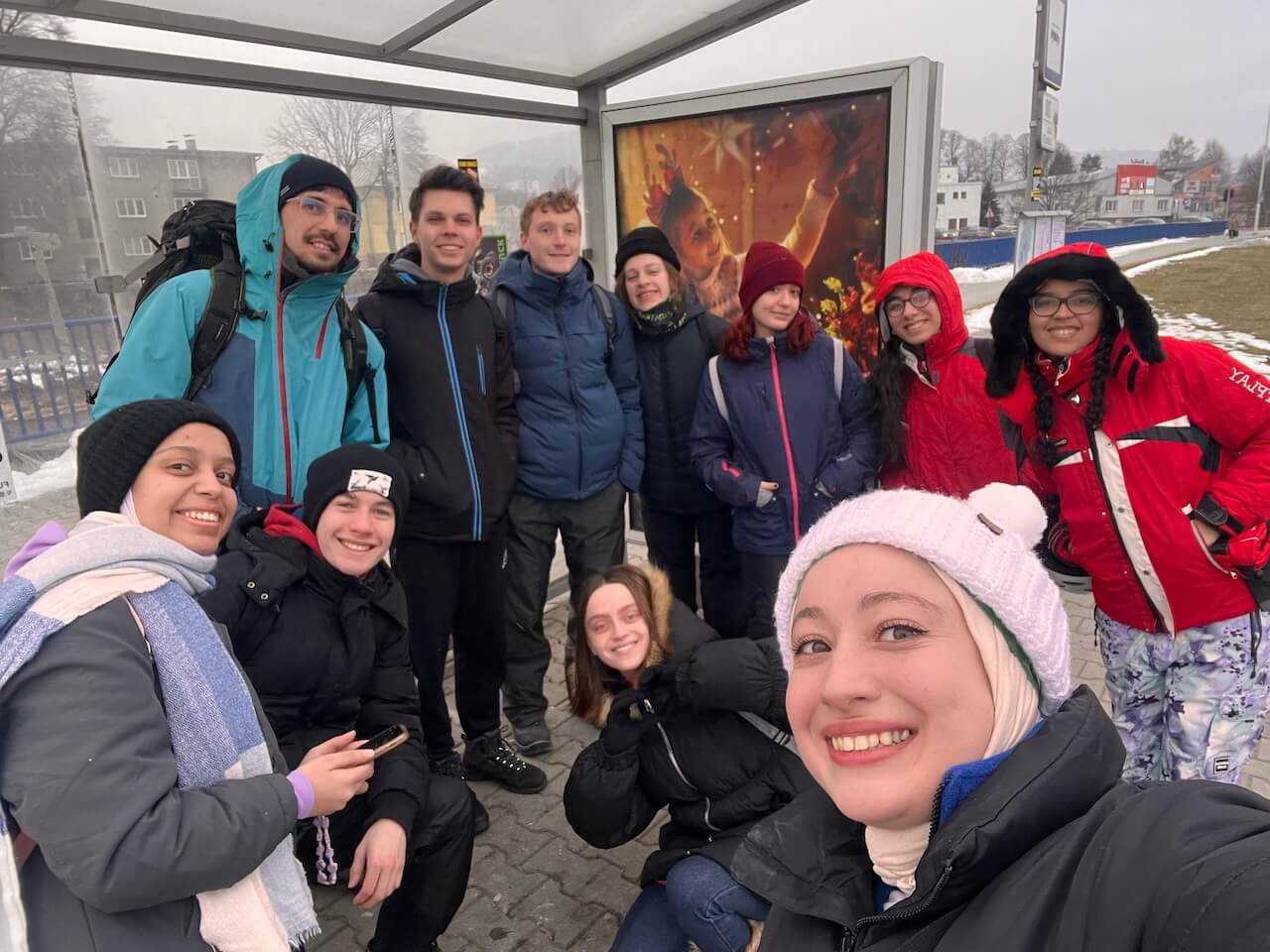
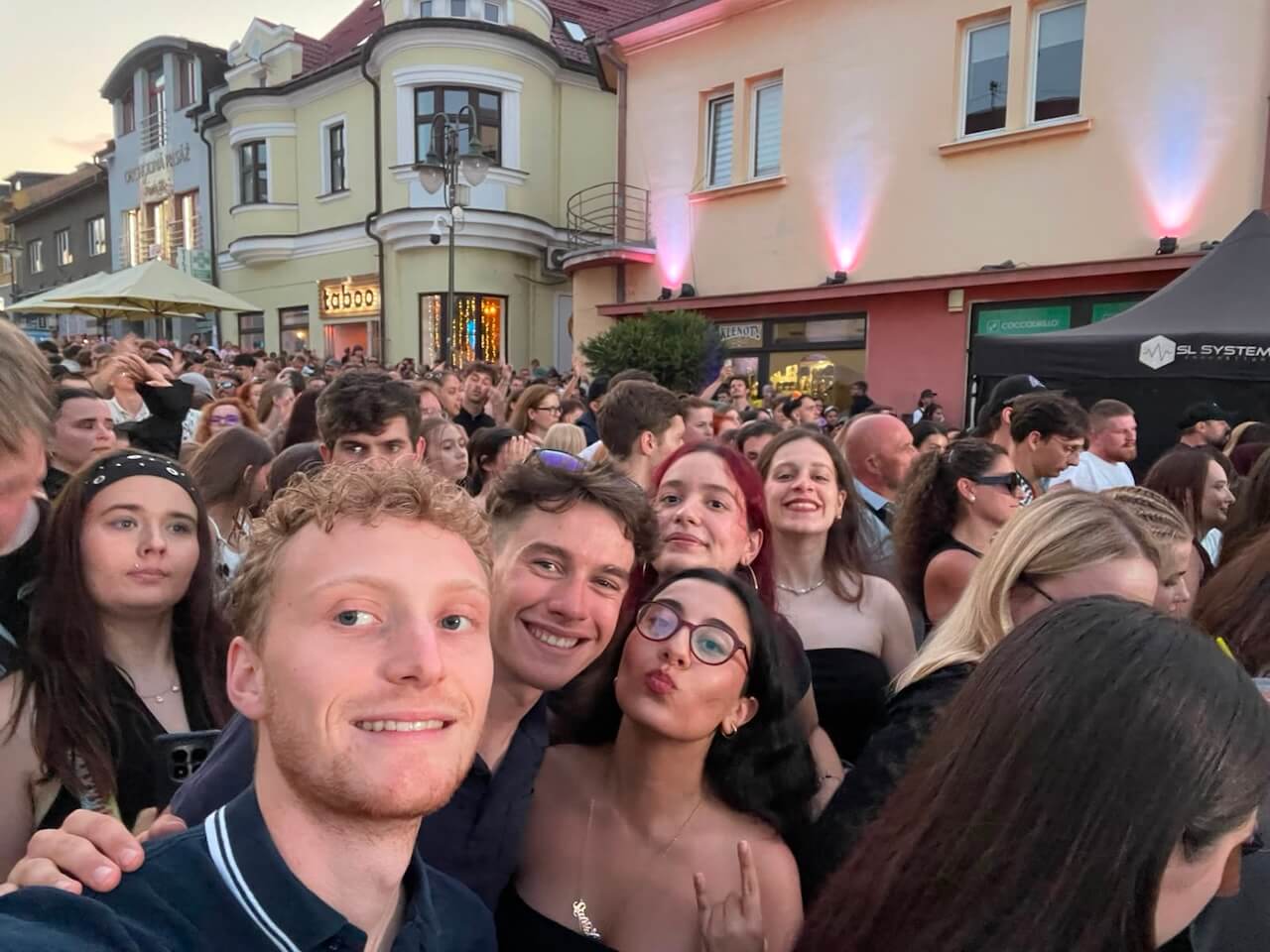
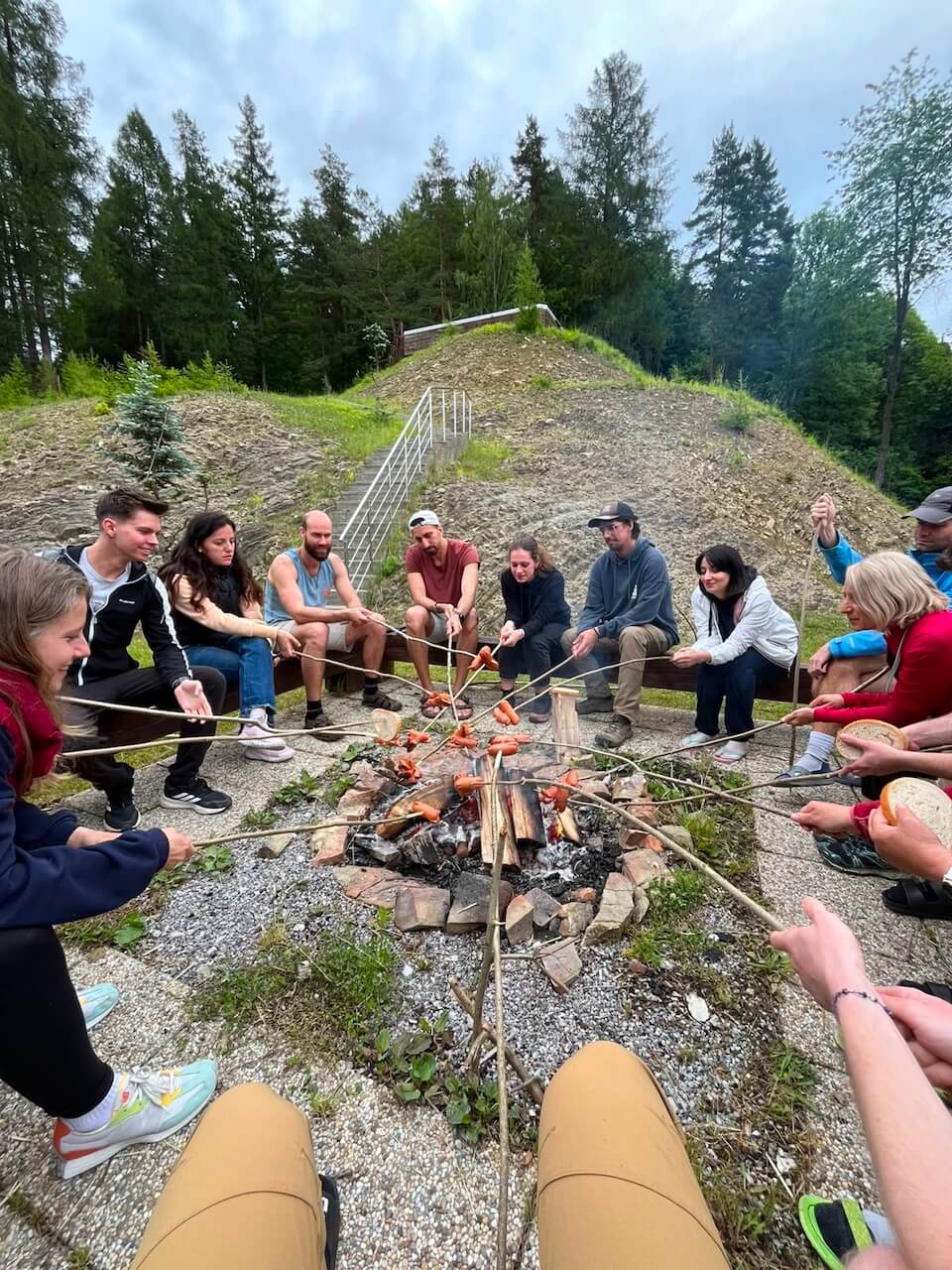
Before accepting the project, I wanted to live and work with a big group of people, and I chose KERIC for this reason too. I came to Slovakia to meet people, share our cultures and discuss everything in life. I wanted to challenge my ideas, open doors I had never opened before and discover new ways of thinking. They are the reason why this project was a success for me and why I enjoyed all the other aspects I mentioned before. I’m really grateful to all the international volunteers who were here. During my 11 months, I had to share almost everything with them. So yes, I spent a lot of time on this famous red sofa, in the kitchen, but for me, these places are the heart of KERIC.
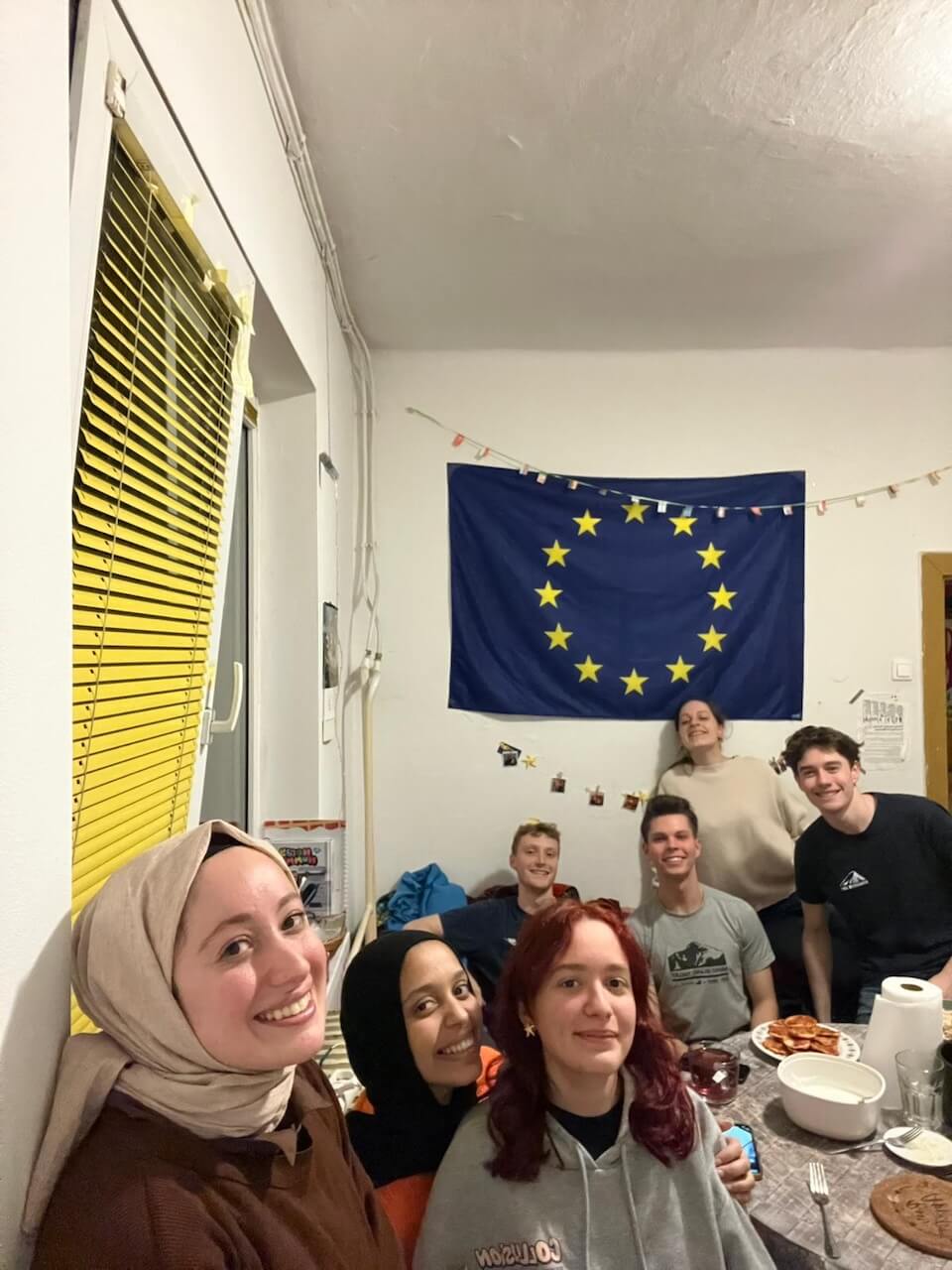
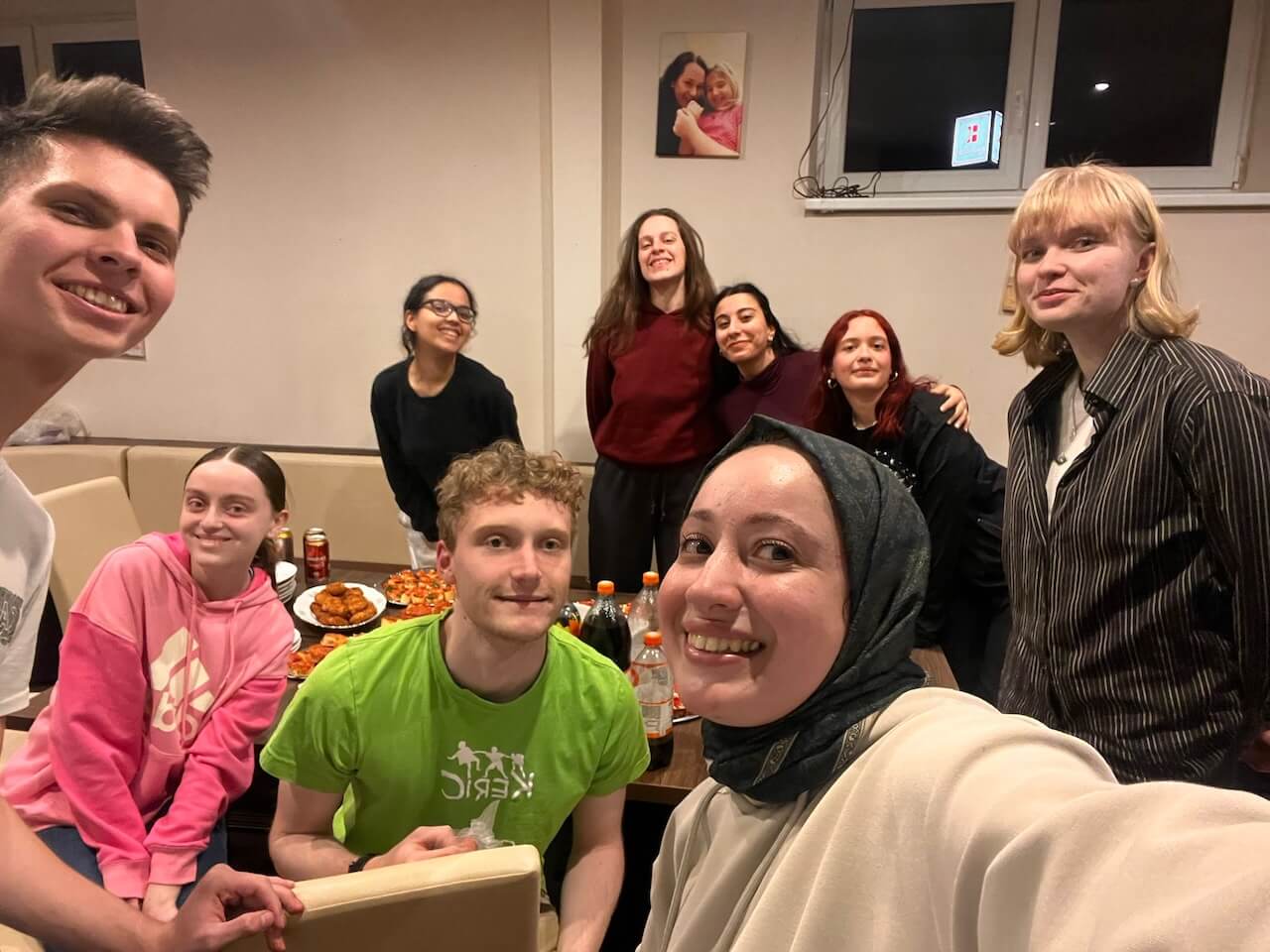
Together, we organised international dinners where everyone had to cook a dish from their own country.
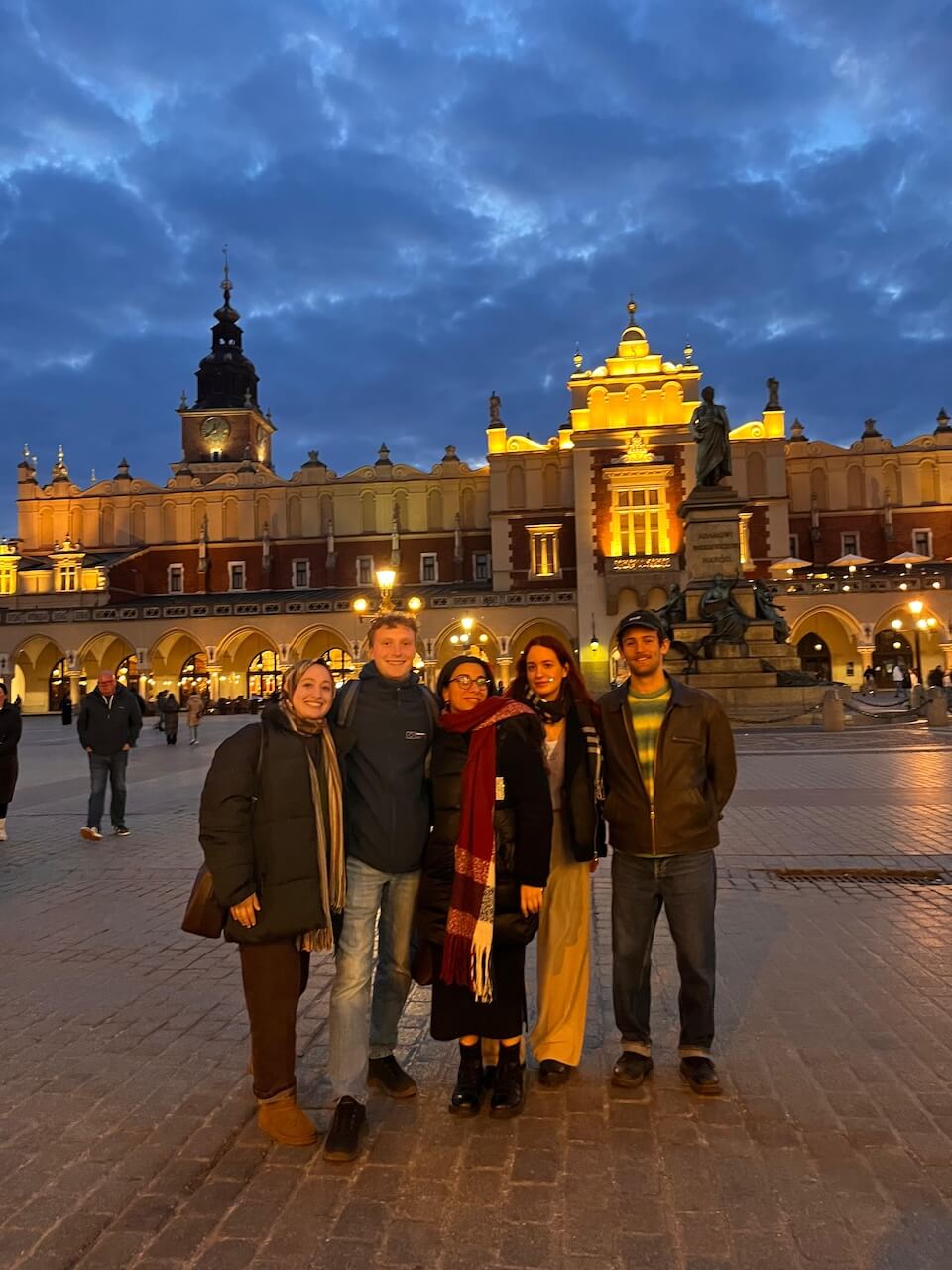
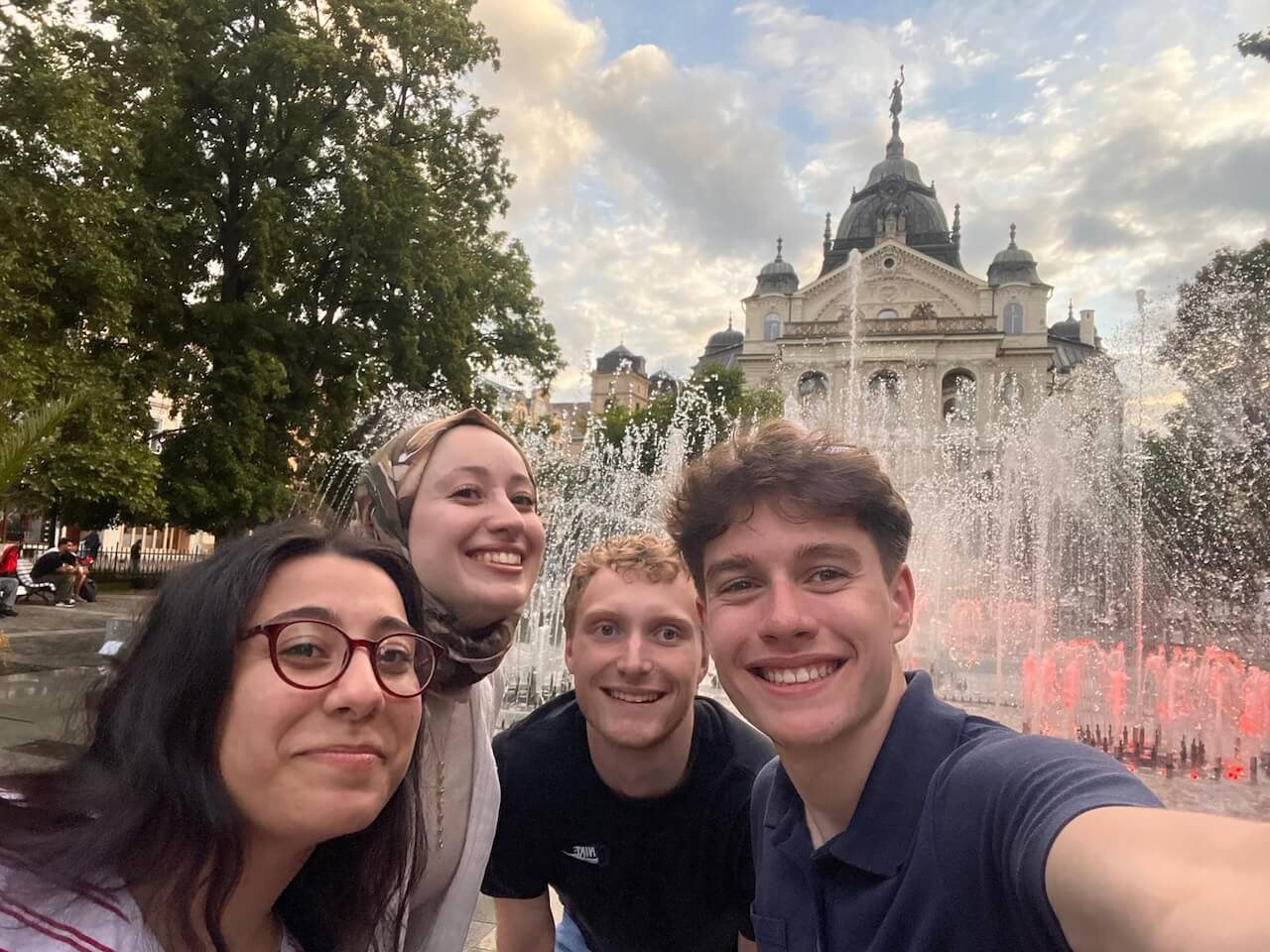
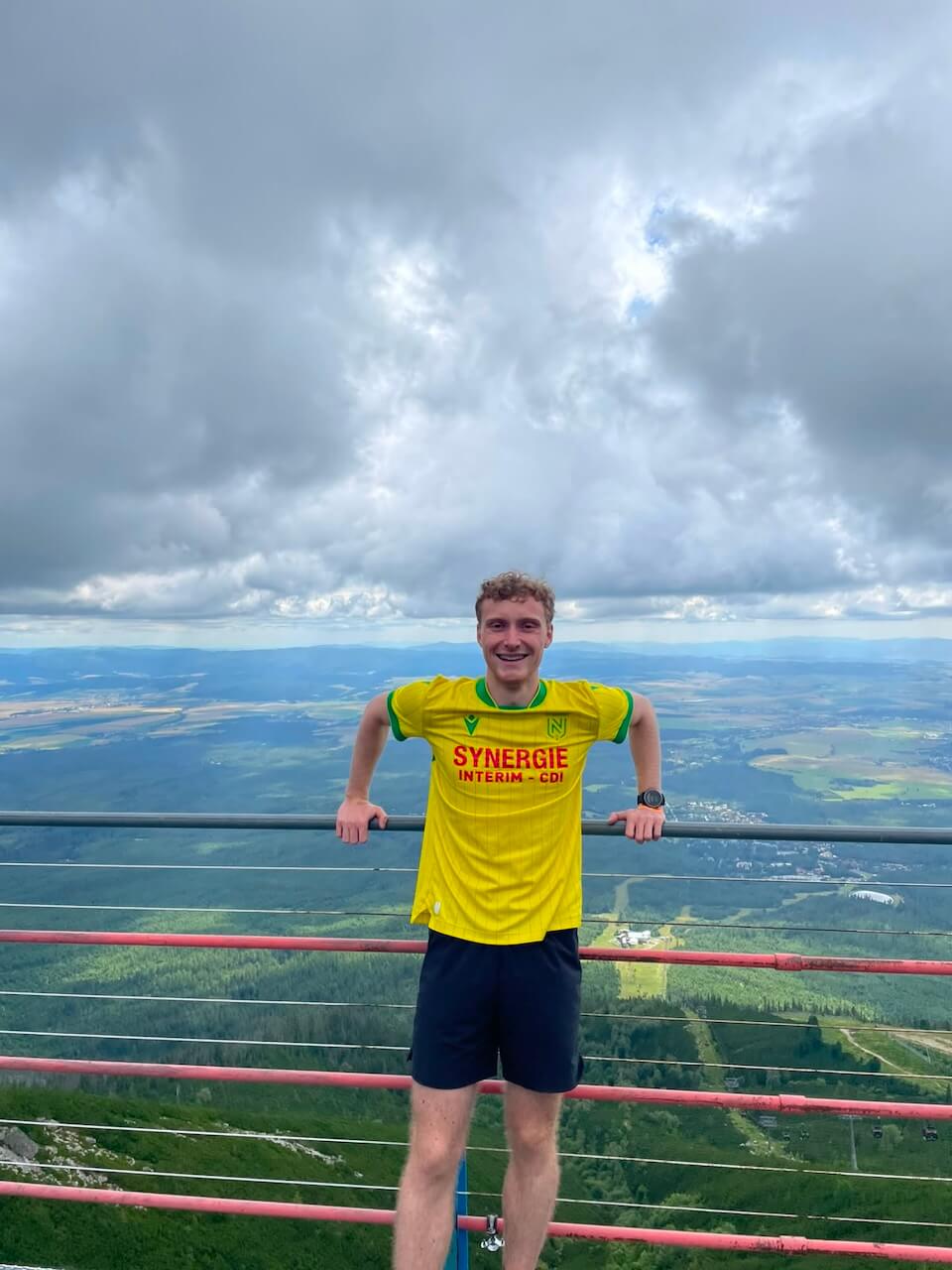
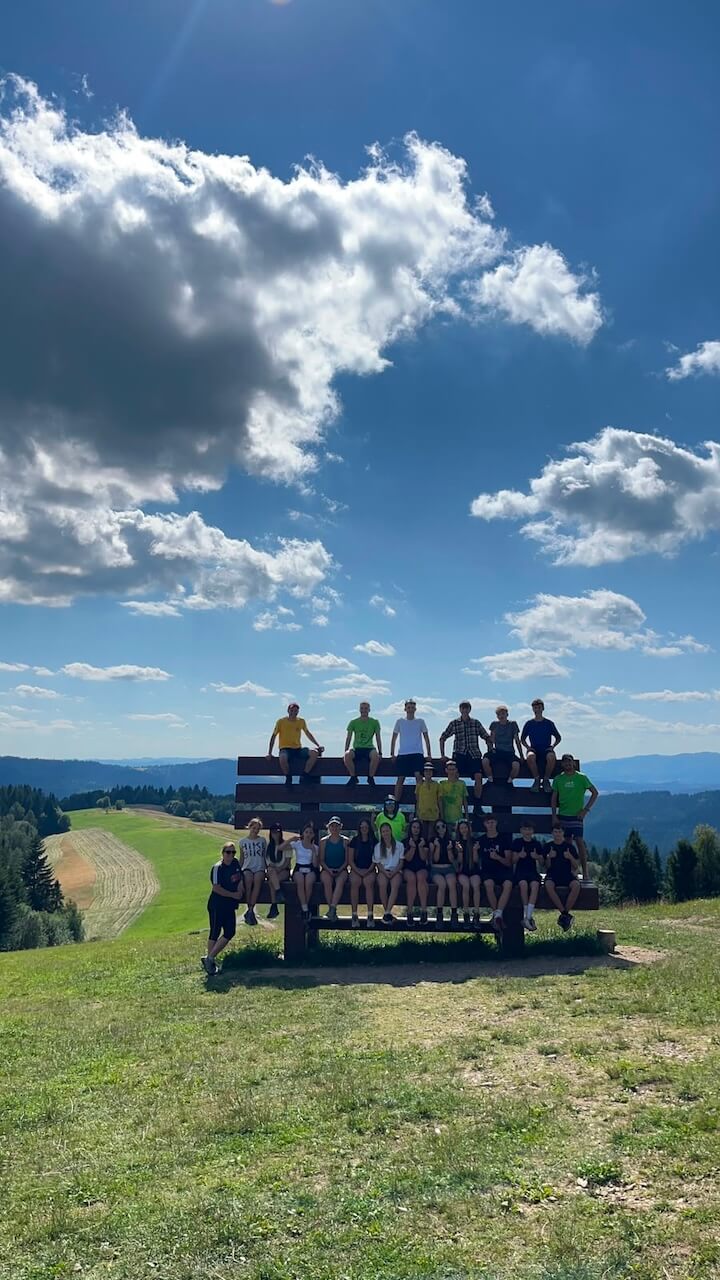
We travelled together to Poland, Košice, Banská Bystrica, the High Tatras, Slovak paradise, Veľká Rača and many other places.
https://www.keric.sk/en/keric-volunteers/1842-my-11-months-in-slovakia-florian-s-esc-year-at-keric#sigProIdbd7bba98ee
When you live and work with nine people, you have to deal with others all the time. You cannot always be alone. And when you don’t share the same nationality, culture, social background, religion, lifestyle, experiences, emotions, values and all the differences that come with them, it can be challenging. But these differences are also a huge source of information and ideas. They make you more open-minded. At the moment, it can sometimes be complicated to manage all these differences. You have to find ways to solve problems, most of the time through compromises. Sometimes, words don’t have the same impact in every language when you communicate with someone. We have to accept that a strong word in my language can be a light word in another language. Once you understand and accept this, you can handle almost every situation. The ability to deal with everybody is a very powerful skill. The strength of this project is that you will always find someone to help you and share something with you.
A door to Erasmus and to Europe
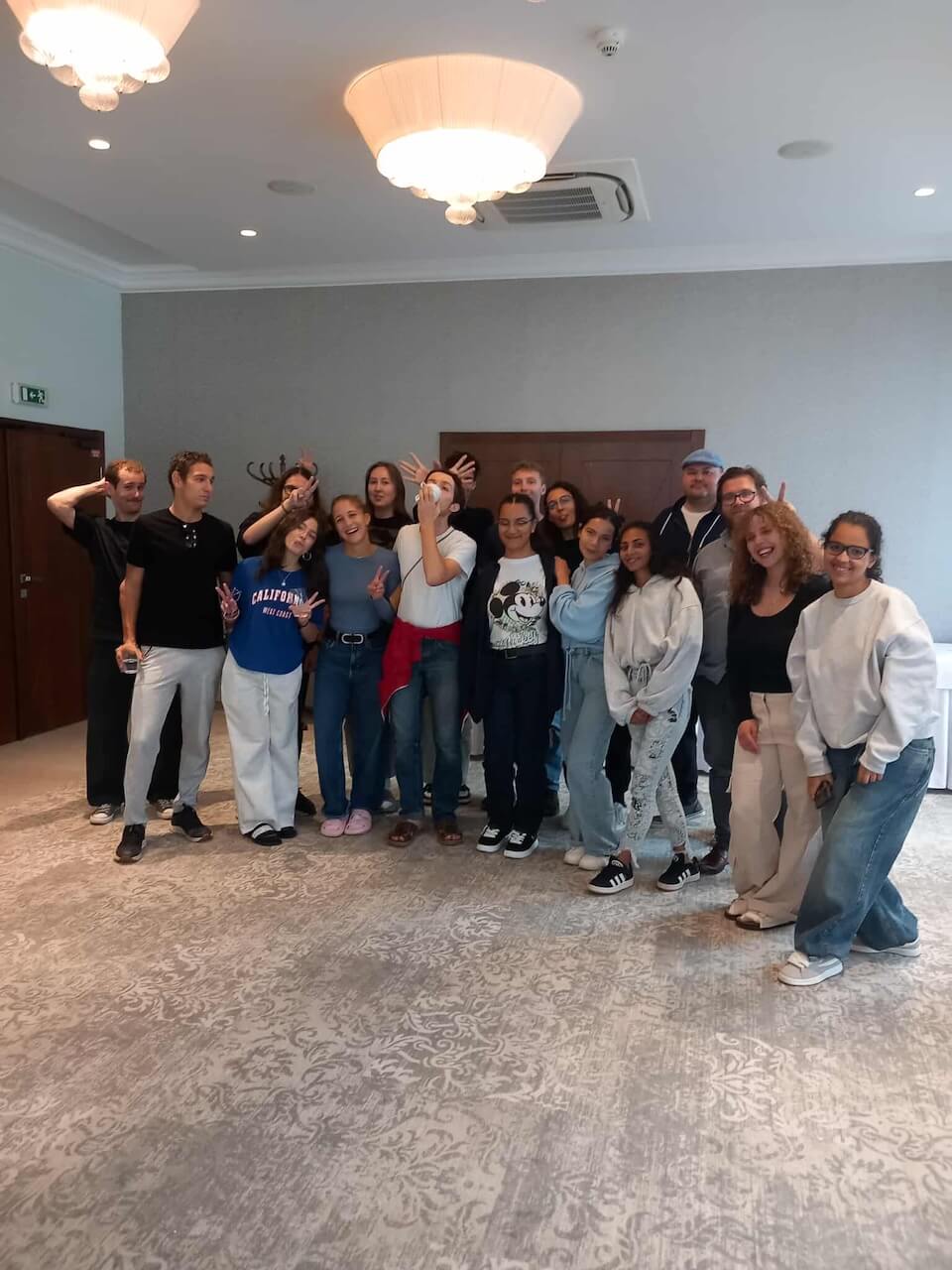
For me, this project also opened the world of Erasmus projects. It was an opportunity to try different things through Erasmus. Volunteering with KERIC was the main thing I did during these 11 months, but I also took part in a one-week training where I met other international volunteers from all over Slovakia. It was a great opportunity to make new acquaintances and share our experiences.
https://www.keric.sk/en/keric-volunteers/1842-my-11-months-in-slovakia-florian-s-esc-year-at-keric#sigProIdd5e6599e21
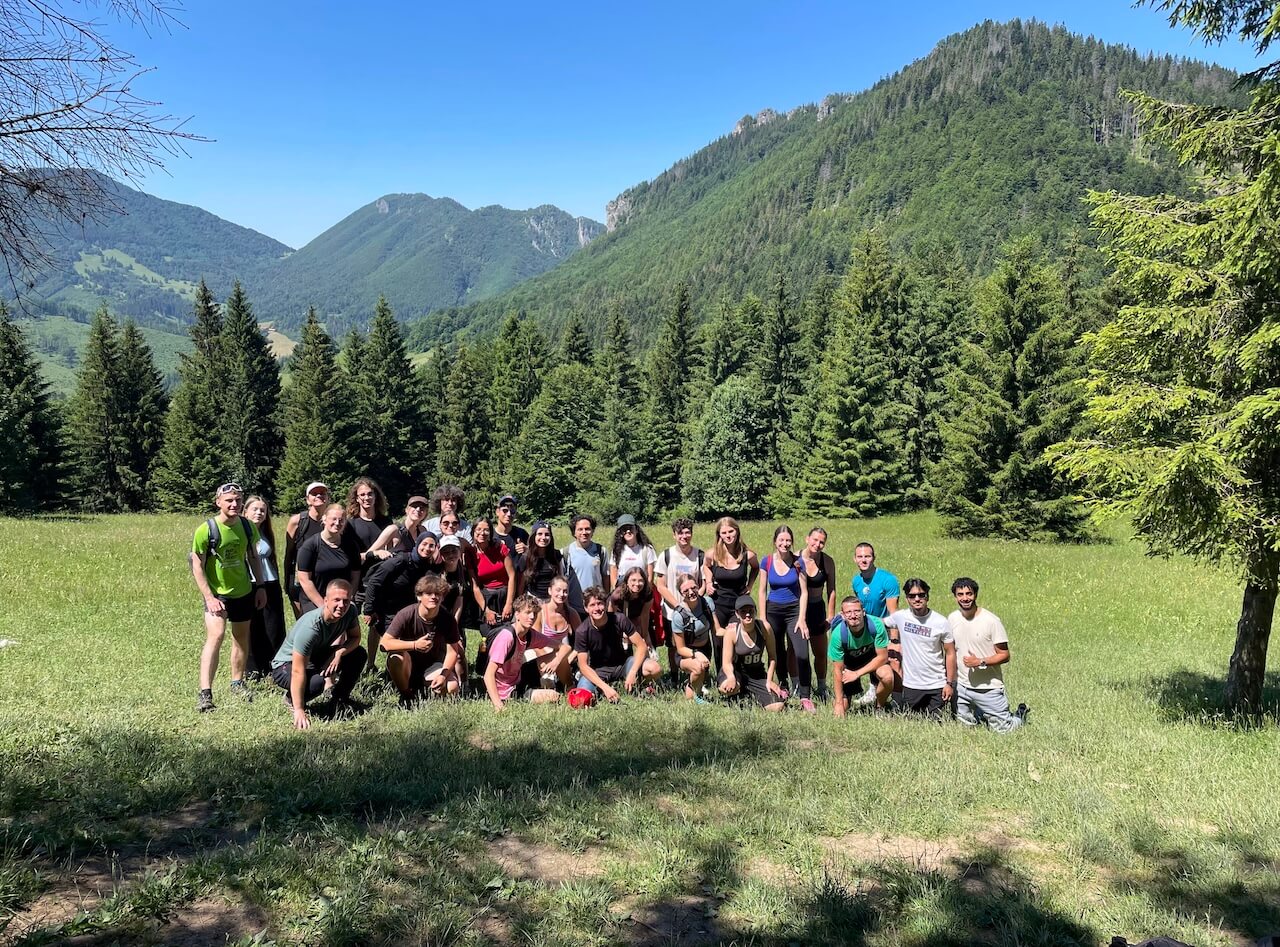
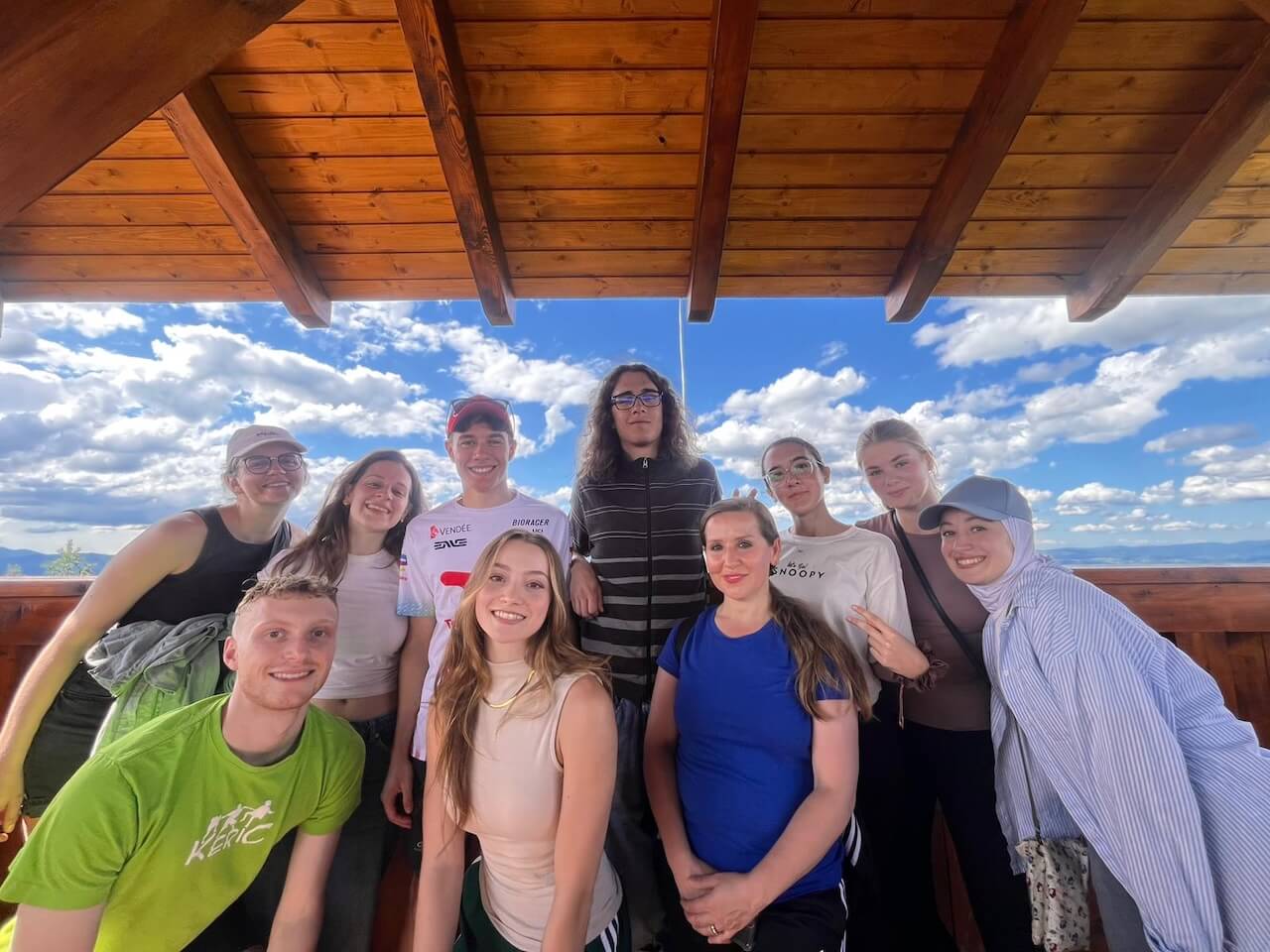
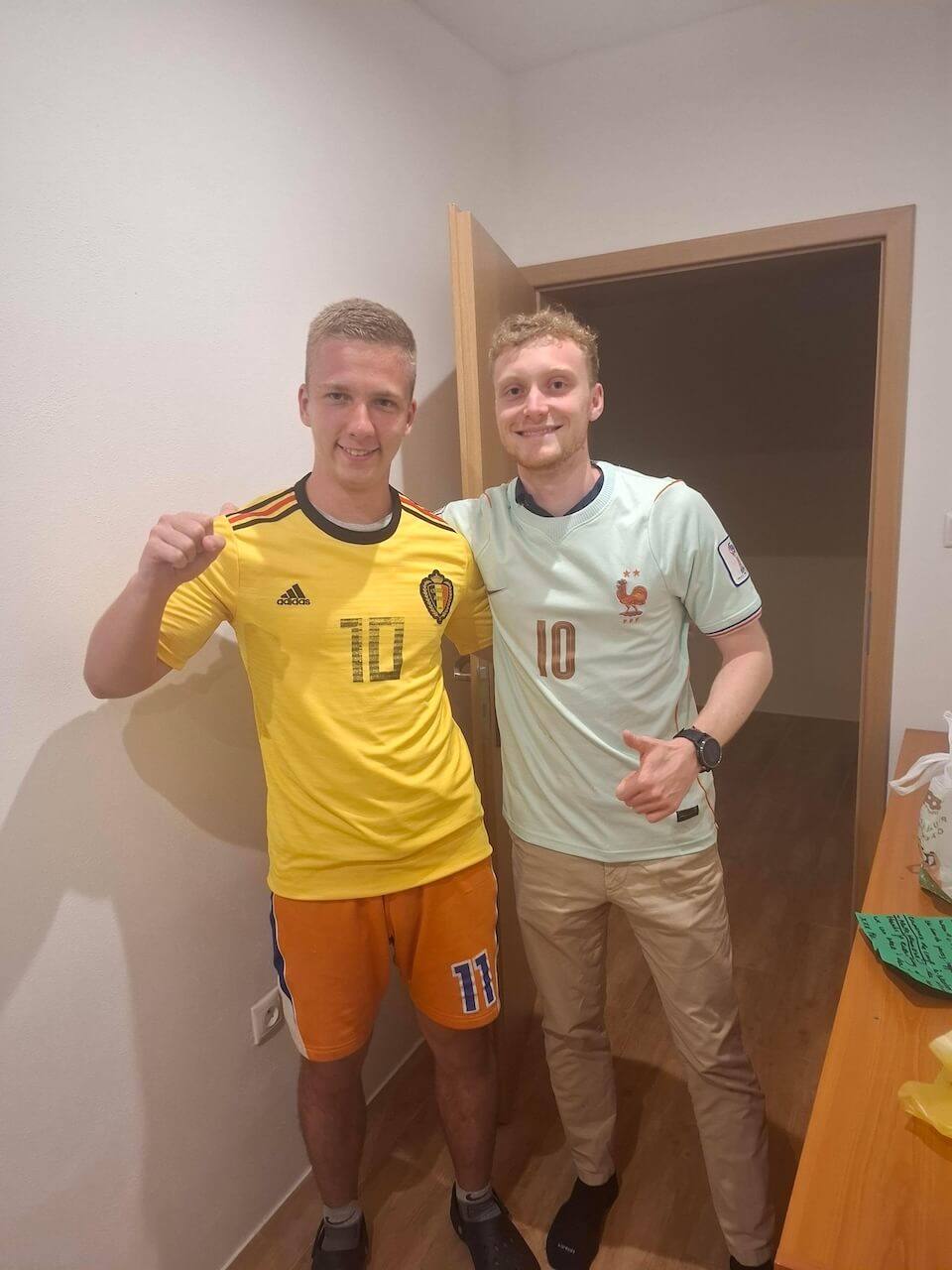
We also created a Youth Exchange. For me, it was the first time I had heard about this programme, and I was a leader. We welcomed five teams from five different countries for one week and organised activities about different topics: sport, collaboration, communication, mental health, and more.
https://www.keric.sk/en/keric-volunteers/1842-my-11-months-in-slovakia-florian-s-esc-year-at-keric#sigProIdebab7ccc5b
For me, these three experiences opened a door to Europe and to the world. They showed me the opportunities you can find to develop yourself and understand other communities. And I also reconciled with the English language, which I hated throughout my school years.
See you somewhere
It’s so hard to find the right words to conclude this year. This year was absolutely stunning, and I’ll never forget everything I lived and experienced in Slovakia. I just want to say thank you to every person I met during this year, to everyone who shared a moment, a conversation, a laugh, a challenge or simply a part of this adventure with me.
Thank you for making these 11 months so special.
I don’t know where life will take me next, but I’m sure our paths will cross again somewhere.
See you somewhere. 🫶
https://www.keric.sk/en/keric-volunteers/1842-my-11-months-in-slovakia-florian-s-esc-year-at-keric#sigProIdcfadc9d999
Want the same year?
Florian’s place is open. We are welcoming new ESC volunteers to KERIC for the next project year — same schools, same red sofa, same hills. You teach English and share your own language and culture, you help with summer camps and workshops, and the European Solidarity Corps covers your accommodation, food allowance, pocket money, travel contribution, insurance and a language course.
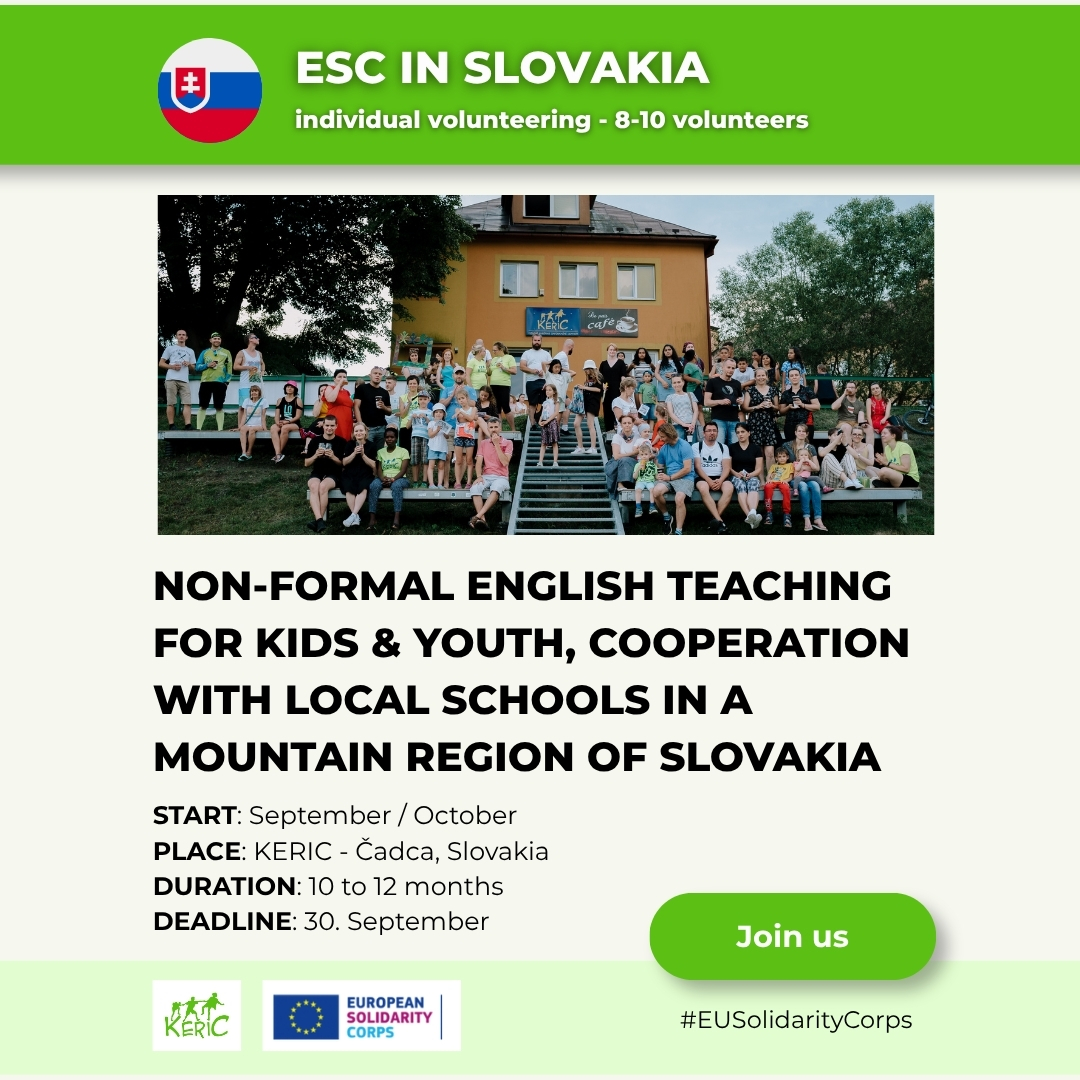
Questions about the project? Write to Mirka at This email address is being protected from spambots. You need JavaScript enabled to view it.. Applications close on 30 September 2026.