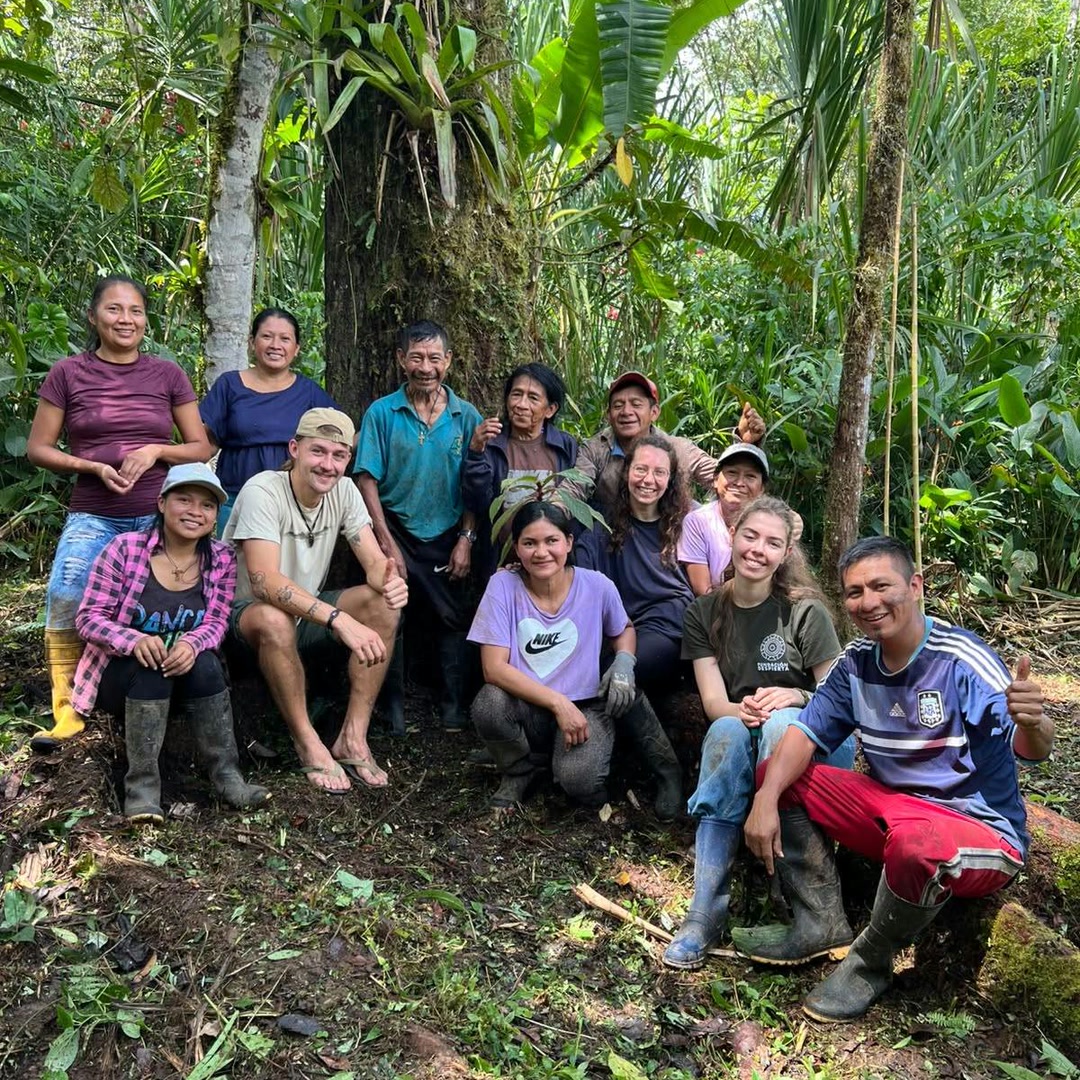
I chose Lisan Wasi because I have always been interested in Indigenous communities, their way of life and their relationship with the jungle. I wanted to experience it for myself and learn from people who have lived in this environment for generations.
Machetes, canoes and English
Life here is very different from what I was used to. I spend most of my time working with my hands - carrying wood, working in the chakra, using a machete, helping build houses, repairing canoes and doing whatever needs to be done. I also cook, help in the kitchen, teach English to the children once or twice a week and help with social media and video production.
But the work itself is only a small part of what I will take away from this place.
What surprised me most is how differently time feels here. Somehow, months have passed incredibly quickly. At the same time, I feel like I have lived through so much. I have learned practical skills, but more importantly, I have learned a lot about myself, community and the importance of family.
A second family
The biggest thing I found here was something I wasn't looking for: a second family.
Over time, the people at Lisan Wasi became my father, mother, brothers and sisters. I received an incredible amount of love, acceptance and peace here. At some point, I stopped feeling like a volunteer or a visitor. I simply felt like I belonged.
Lisan Wasi itself is a family project. Leo built it from almost nothing and created a home and a way of life for his family while trying to protect the surrounding jungle. Volunteers are not treated as outsiders. We work together, eat together and share everyday life.
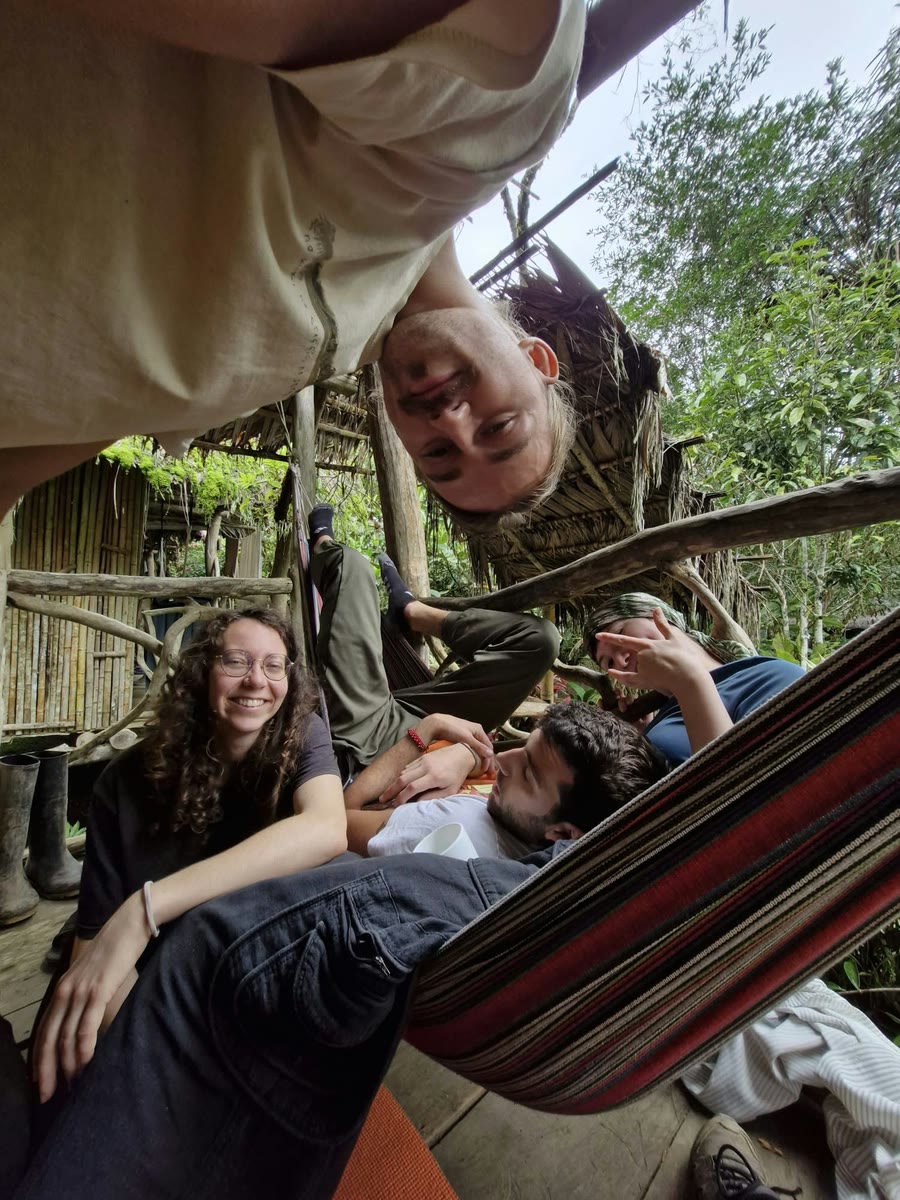
Relaxing together in the hammocks
Living here also made me more aware of how fragile Indigenous communities and their relationship with the jungle can be, especially when facing pressure from other communities, the state and companies.
Leaving is harder than I expected
Looking back, I would make the same decision again without hesitation. I could honestly stay here for another two years. The time has gone far too quickly, and leaving is much harder than I expected.
I came to Lisan Wasi to experience life in the jungle.
I found a family instead.
And I already know that I want to come back as soon as I can.
Štepán's introduction video was published by the host organisation VASE on its Instagram:
The project in Lisan Wasi
The project focuses on farming and nutrition in a Kichwa community: volunteers work the communal gardens together with the community, map gaps in nutrition and help women and young people build a living from crafts, small businesses and eco-tourism.
Lisan Wasi is an Indigenous Kichwa community of about 50 people by the Puyo River in the parish of Tarqui, near the city of Puyo in the Ecuadorian Amazon. The host organisation is VASE (Voluntariado para la Ayuda Social del Ecuador), the Ecuadorian member of the ICYE network. In the community, VASE works with Fundación Despierta, a non-profit organisation focused on nature conservation, environmental education and community development. VASE and Despierta have been partners since 2024.
What volunteers work on
- Farming in harmony with Pacha Mama (Mother Earth). The community works the land with ancestral techniques and keeps collective gardens that provide food and hold people together. The chakra Štepán writes about is the Kichwa word for a field.
- Nutrition and food security. Healthy diets, access to safe water and how traditional farming helps people eat well.
- Learning and innovation in agriculture. Simple tools and shared knowledge of agroecology, hydroponics and environmental education, with respect for tradition.
- Community enterprises and tourism. Crafts, small businesses and respectful eco-tourism that women and young people can make a living from.
In practice, volunteers collect the community's stories and oral histories, work in the communal garden and help with food distribution, map what is missing in people's diets, bring tools and skills from permaculture and agroecology, train young people and women to plan and run projects, and promote eco-tourism.
Life in the community
Volunteers live in a separate part of the community, in single or shared rooms, with a shared bathroom, kitchen and dining area. There is no hot water, and there are plenty of insects and plenty of humidity. Three meals a day are included in the project. On their free days, volunteers can go shopping in the nearby city of Puyo every week.
The community has a large maloka, where ceremonies, rituals and community gatherings take place. There is also a space for workshops, a community garden, a craft shop, a sports field, a natural pool with spring water and trails into the surrounding forest.
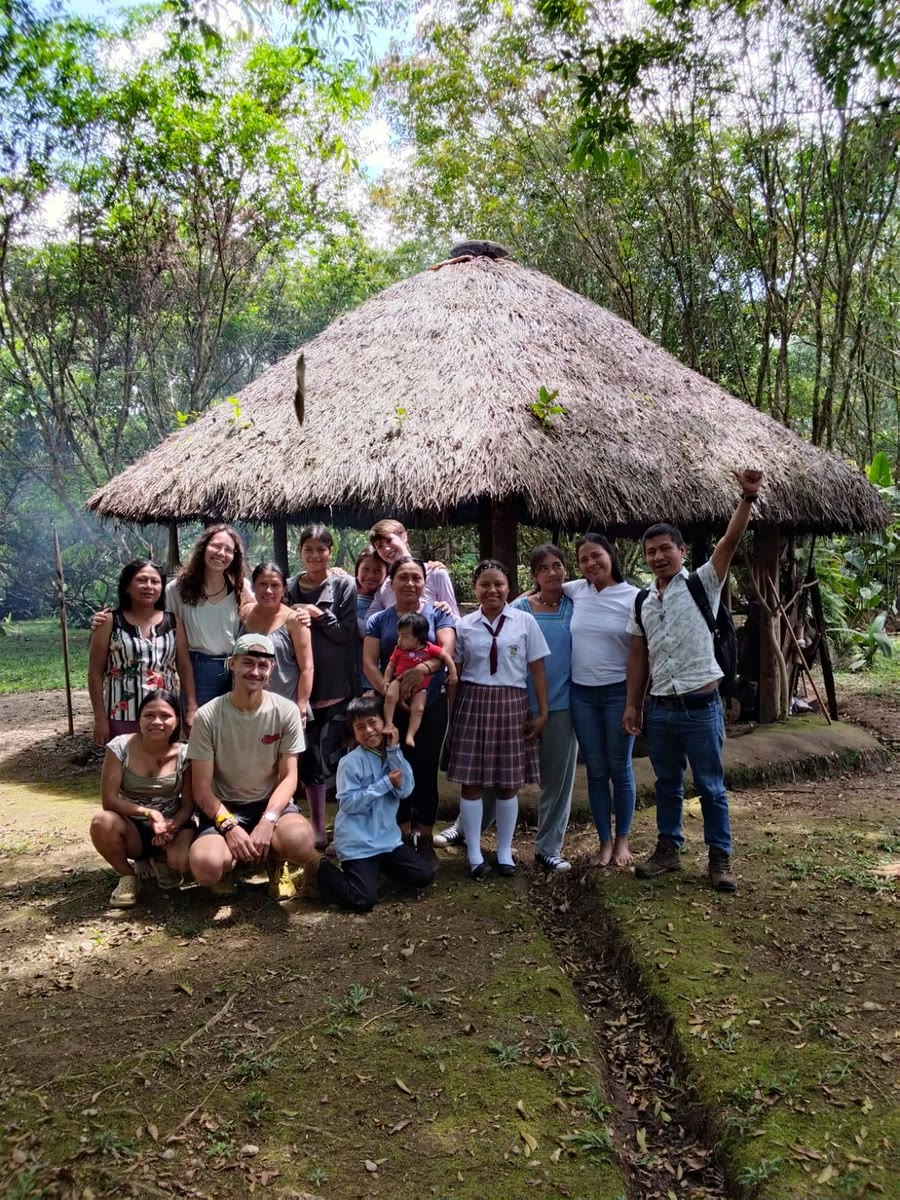
In front of the maloka with families from the community
Susanne Rammel also wrote about life and work in Lisan Wasi: I Did Not Know How Loud the Jungle Is.
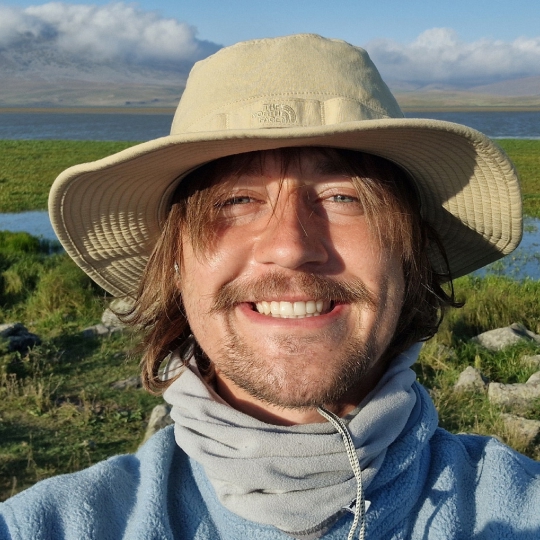
Štepán Procházka
📅 June-November 2026
📍 VASE, Lisan Wasi, Tarqui, Ecuador
Want to join an ESC HumAid project?
ESC HumAid is humanitarian volunteering within the European Solidarity Corps in countries outside the European Union, for people aged 18-35. Completing the mandatory ESC HumAid training is a requirement. The programme covers travel, accommodation, food, pocket money and insurance.
Co-funded by the European Union.