NÓMADA is an Erasmus+ KA2 international cooperation project that has developed the methodology of experiential learning in nature as a tool to promote inclusion, community participation and environmental protection.
The project managed to bring together young people, educators and youth workers from four countries - Spain, Slovakia, Poland and Morocco - to jointly discover the potential of outdoor education. This project is not only about learning outdoors, but also about building communities, overcoming barriers and finding solutions to environmental challenges.
PARTNERI:
-
Asociación Madrid Outdoor Education(MOE) - Spain🇪🇸 - coordinator
-
OBCIAN ASSOCIATION KERIC(KERIC) - Slovakia🇸🇰
-
REGIONAL CENTRE FOR VOLUNTEERING(RCW) - Poland🇵🇱 a
-
ASSOCIATION PMM BENI GARFET(APMM) - Morocco🇲🇦
How did it start?
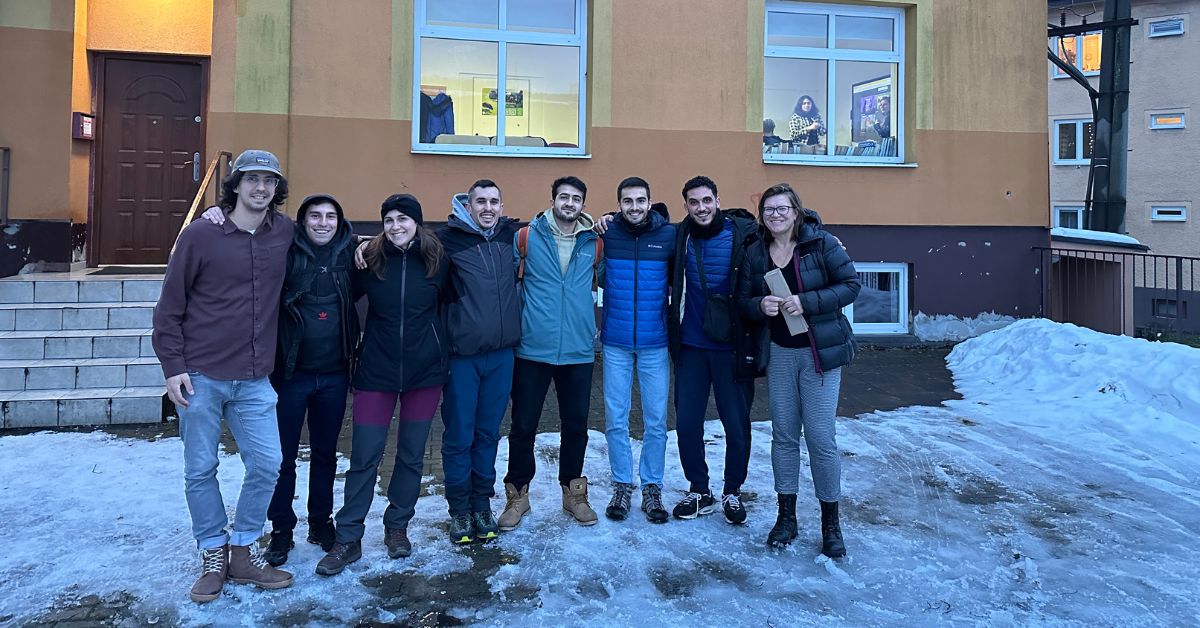
The project started with the first partners' meeting in Čadca on 11-14 December 2023. The main purpose of this meeting was to get to know each other, plan activities for the next two years and divide tasks for two key deliverables: the handbook of outdoor education The Nómada Garden and an online course on experiential education in nature.
Two main trainings have taken place within this project - in Spain and Morocco - which have provided a wealth of experiences and hands-on learning for the participants. Each of these trainings provided a unique perspective on outdoor education and its use in different cultural and geographical contexts.
Training in Spain: Experiential Learning in Practice
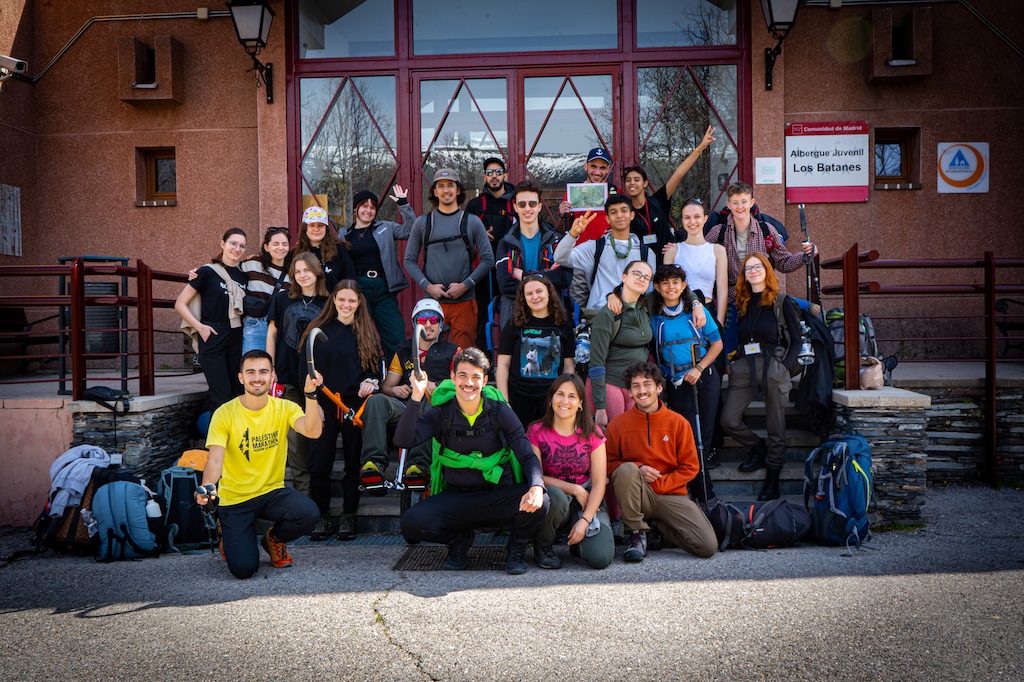
The first training took place March 11-20, 2024 in the scenic setting of Rascafrías, Spain. Over the course of 10 days, 25 youth workers from 4 countries immersed themselves in the philosophy of outdoor education. We learned how to effectively facilitate outdoor activities, practiced orienteering, expedition leadership or survival techniques. This training was not only educational but also transformational as many participants overcame their fears and gained new skills.
The most powerful moments? Meeting the Bukaneros Solidarios association, which showed how blind hikers can climb mountains, and Supervivencia Educativa, which taught us the importance of survival in nature. This training was an important preparation for the second mobility in Morocco, where outdoor education met new challenges in a completely different environment.
For more information about this training visit us at: Many thanks to Madrid Outdoor Education for creating this unforgettable experience for all of us
Training in Morocco: Nature, Community and Inclusion
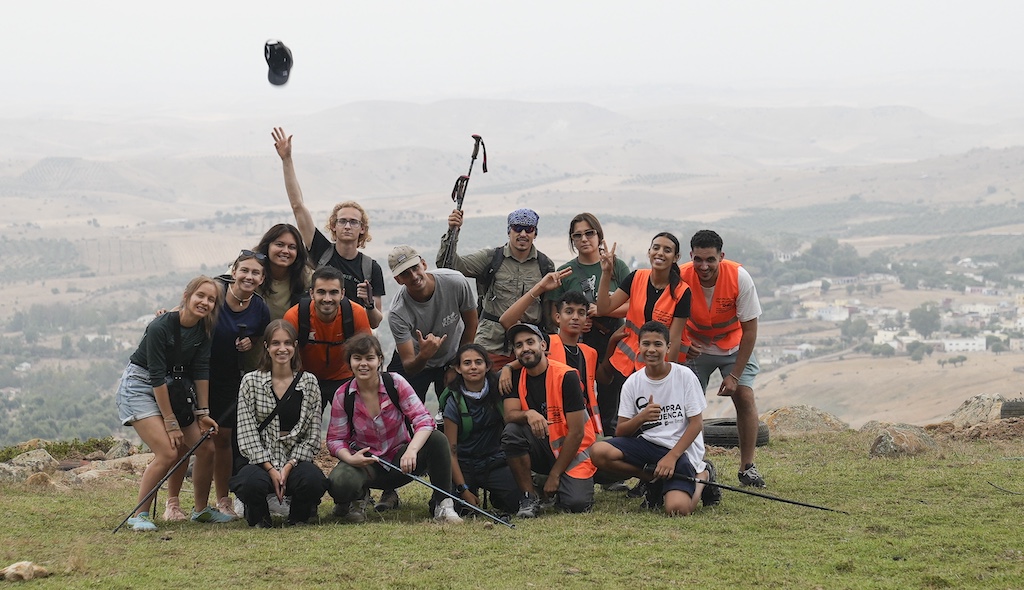
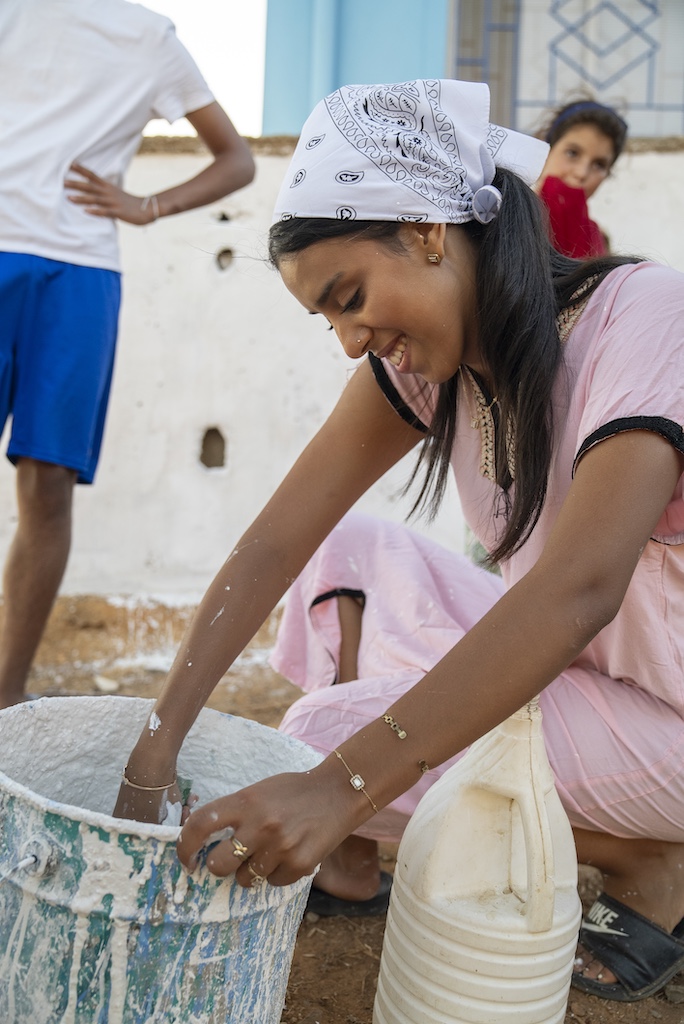
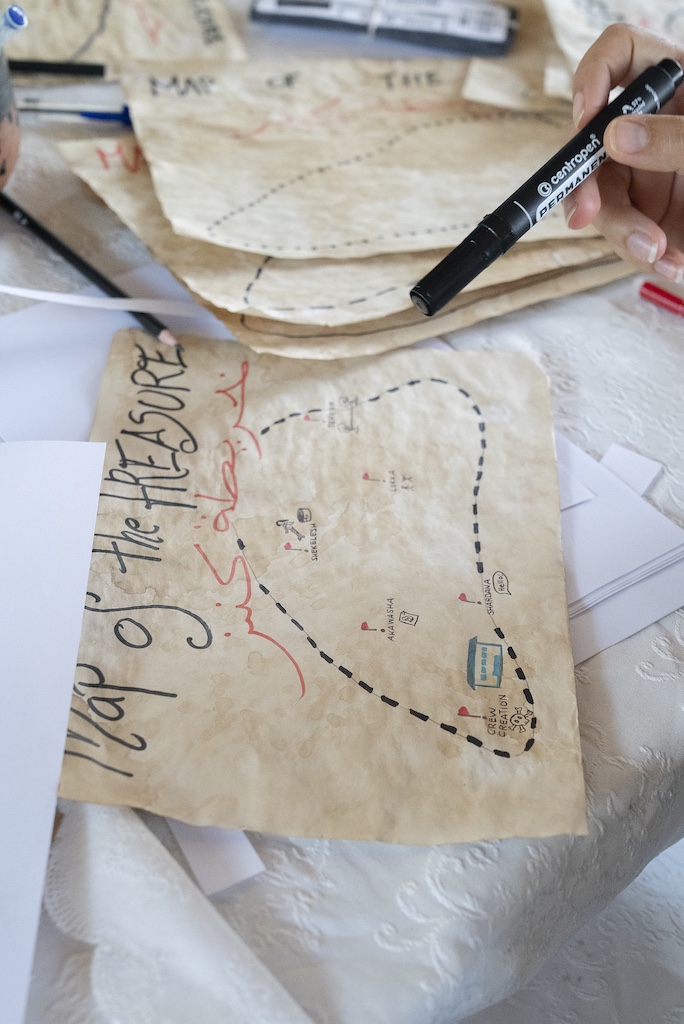
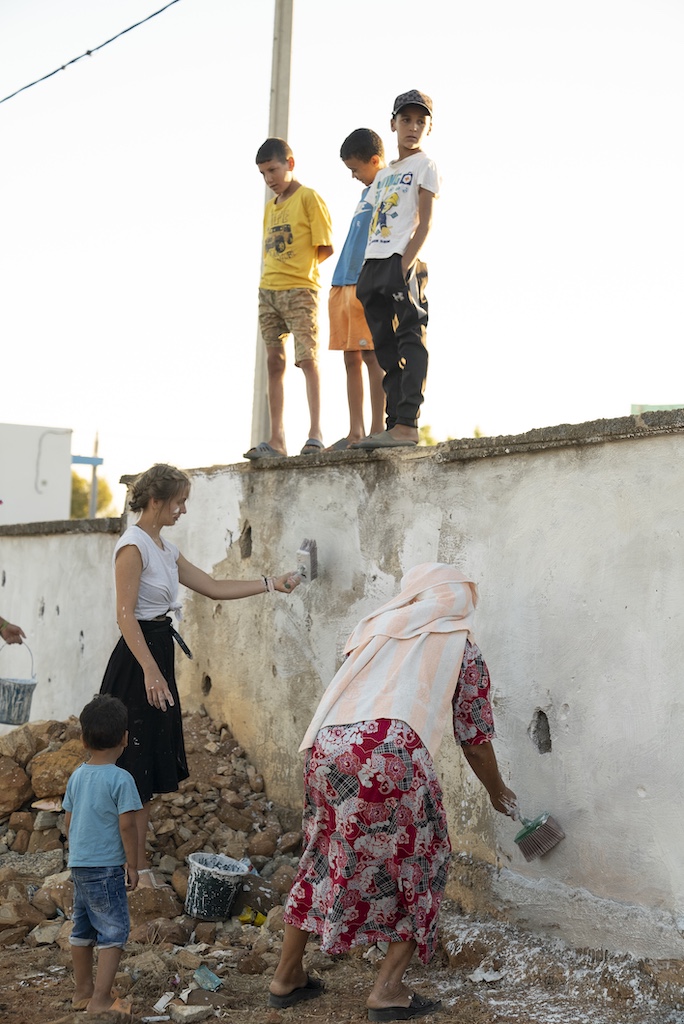
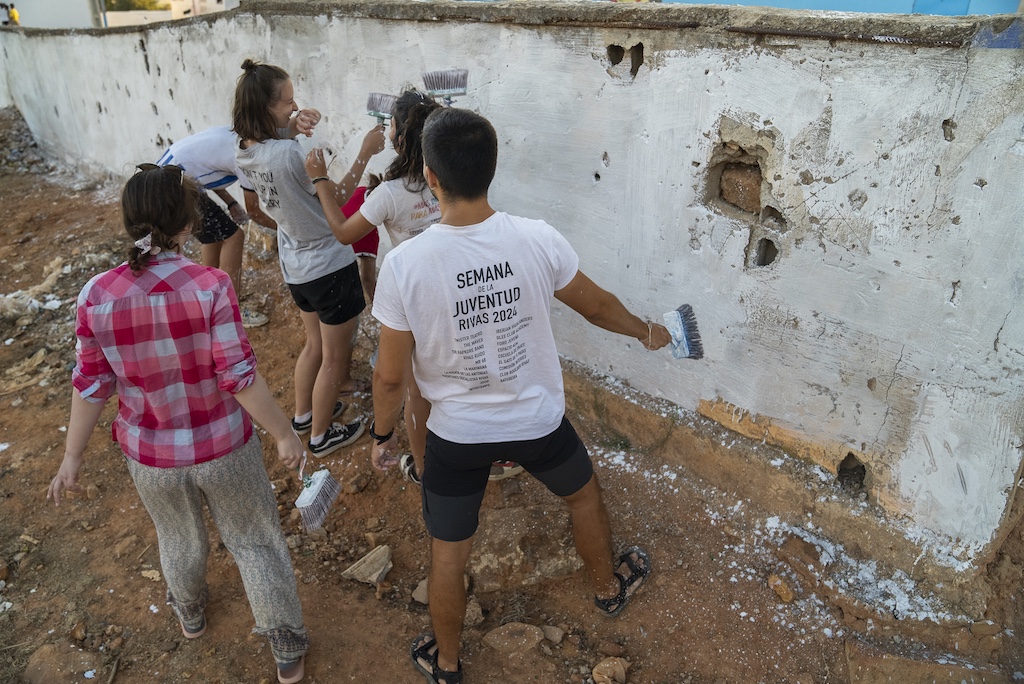
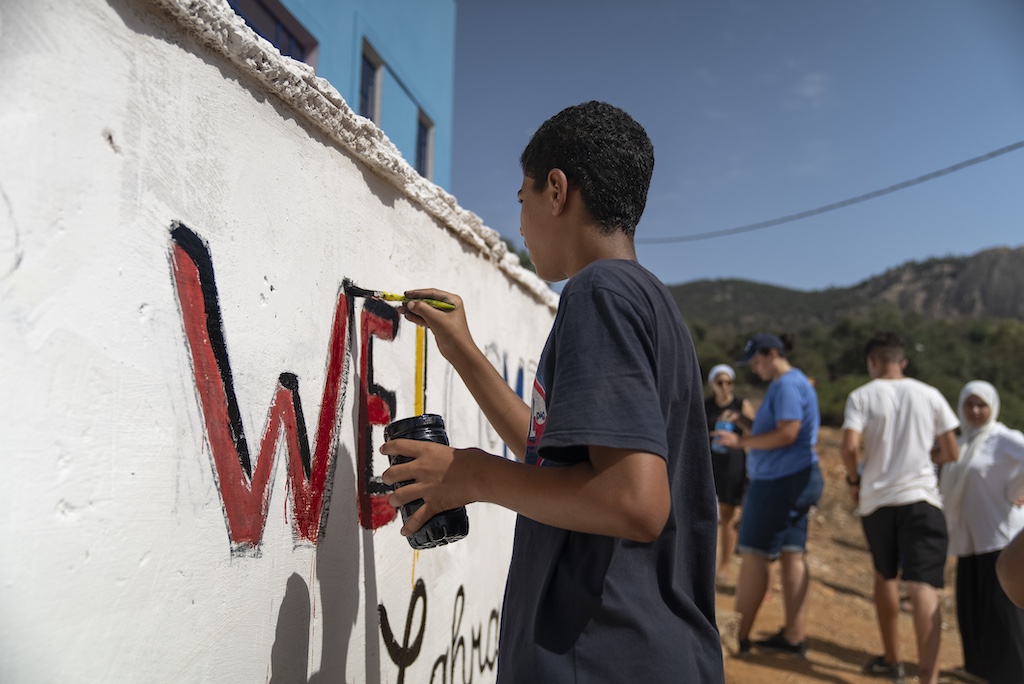
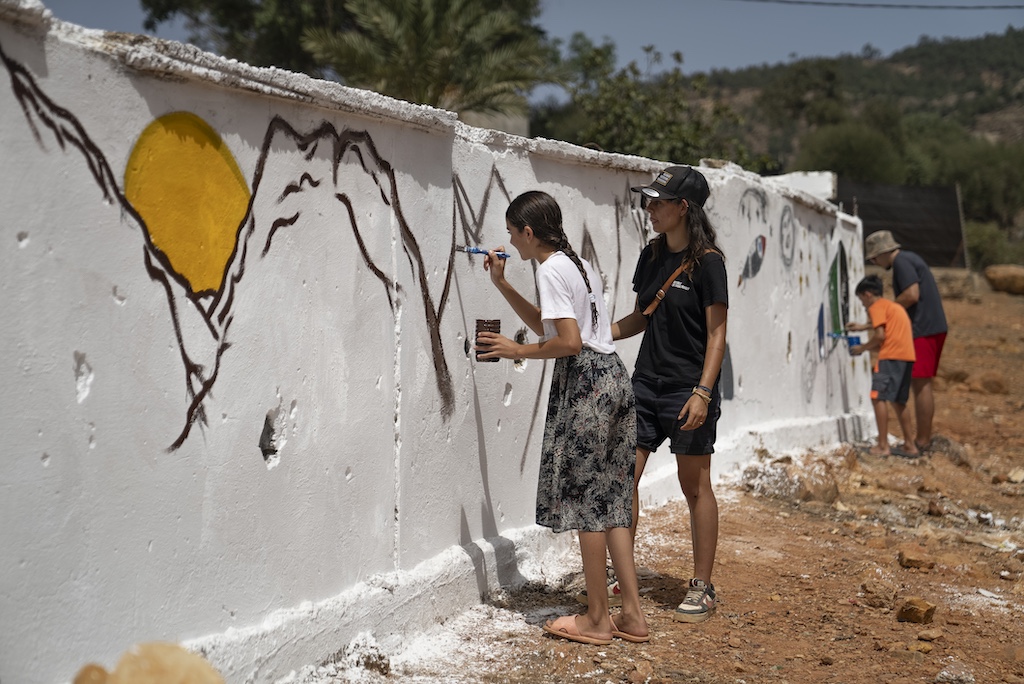
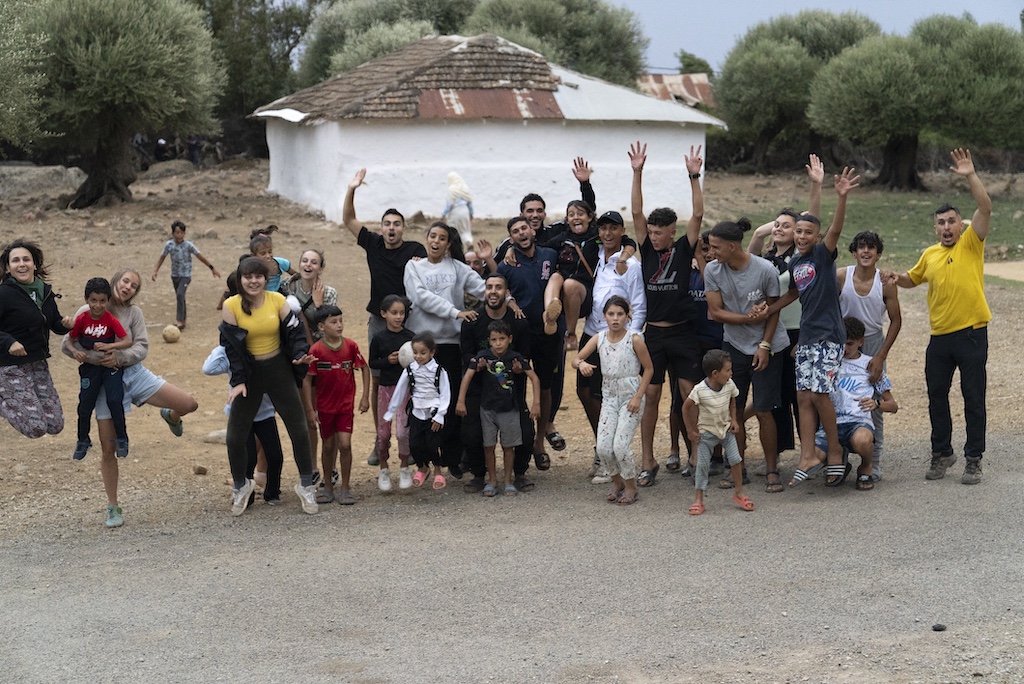
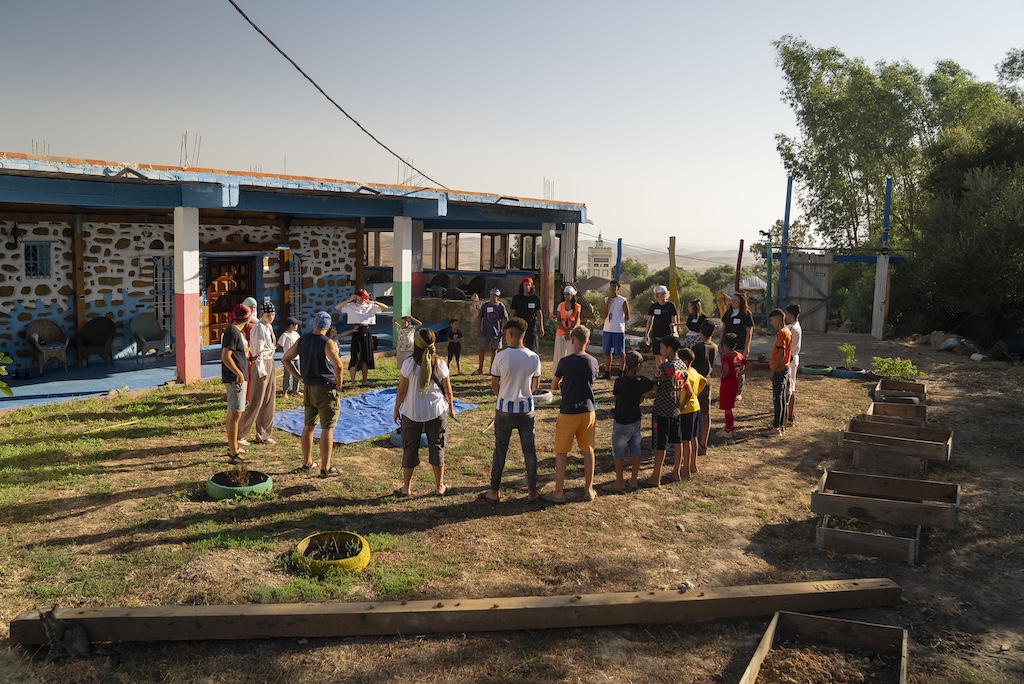
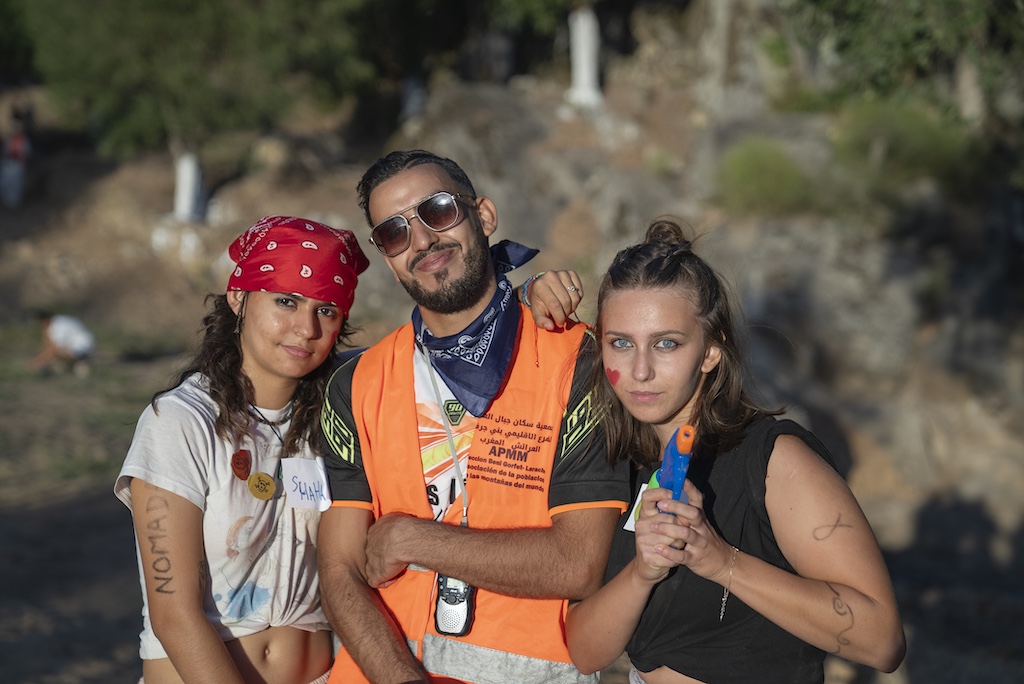
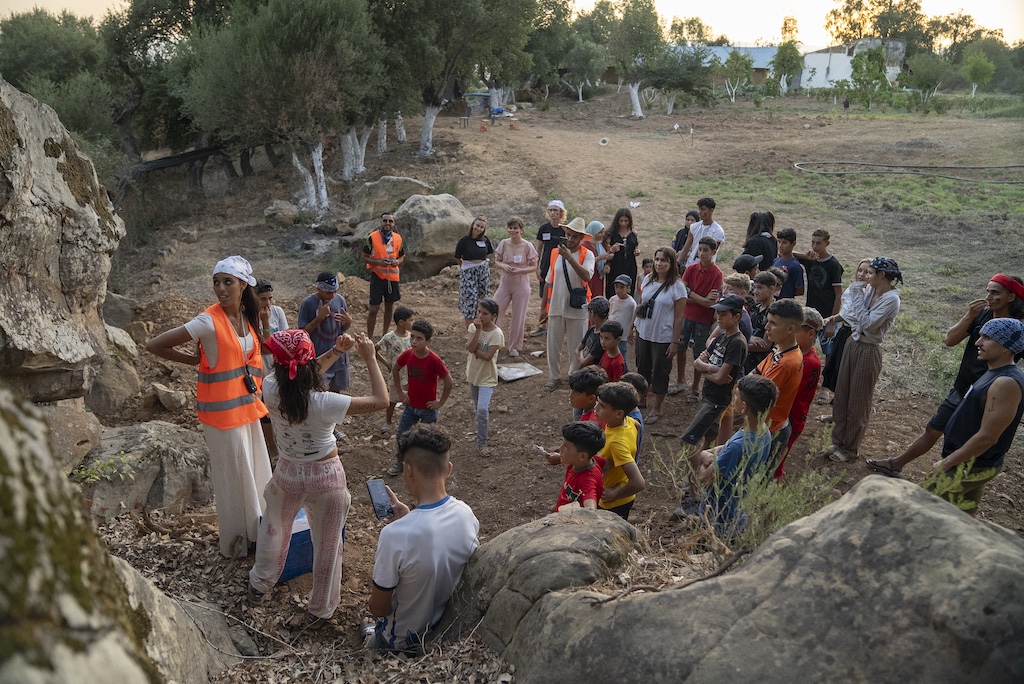
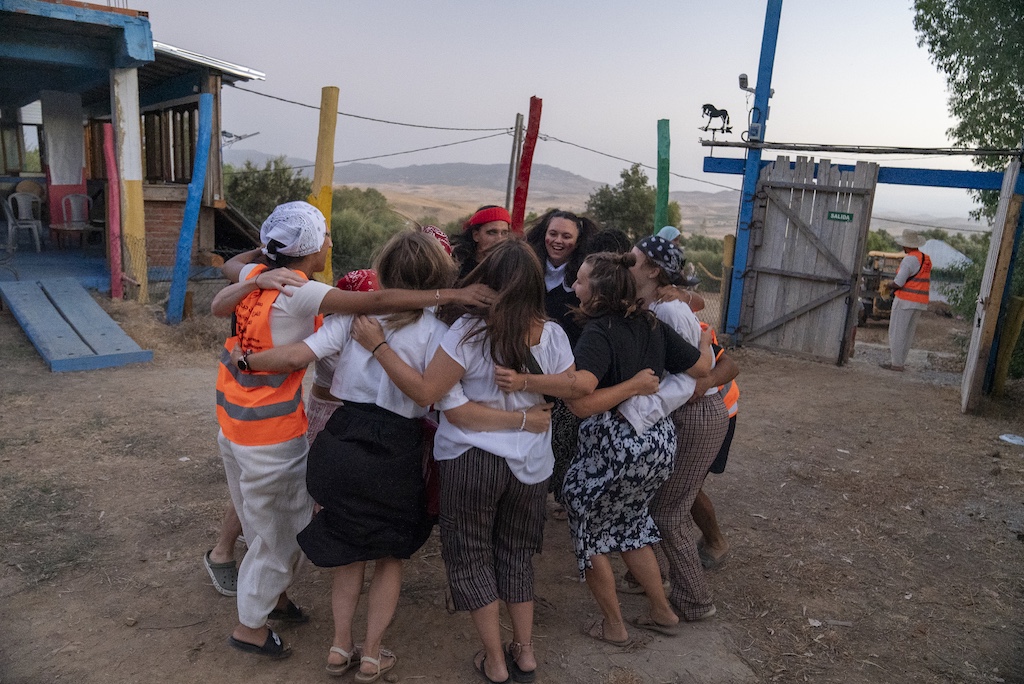
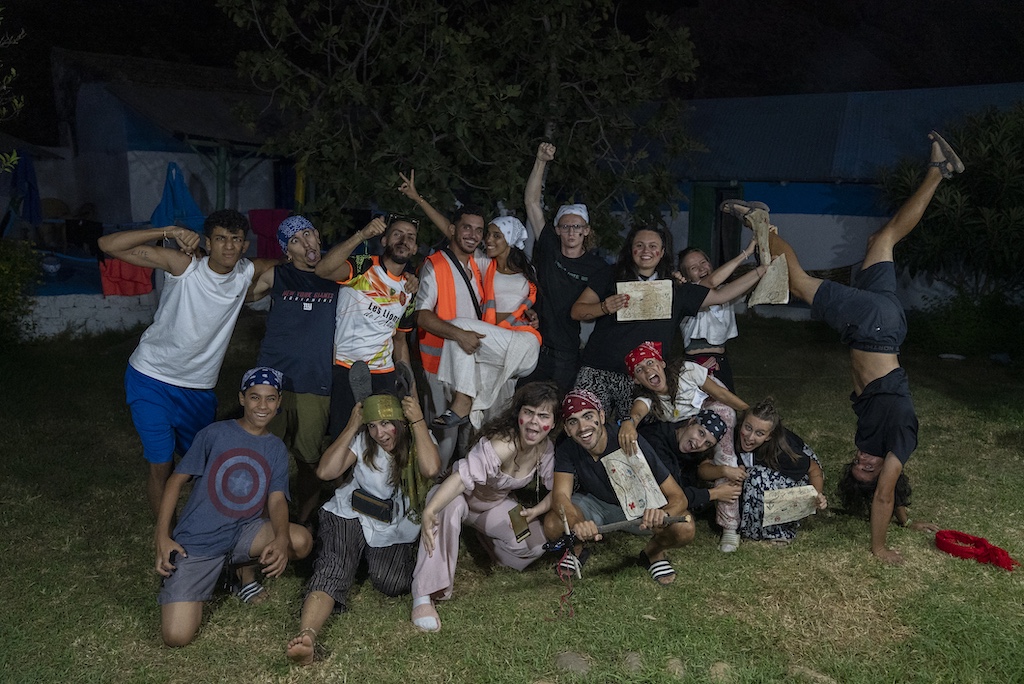
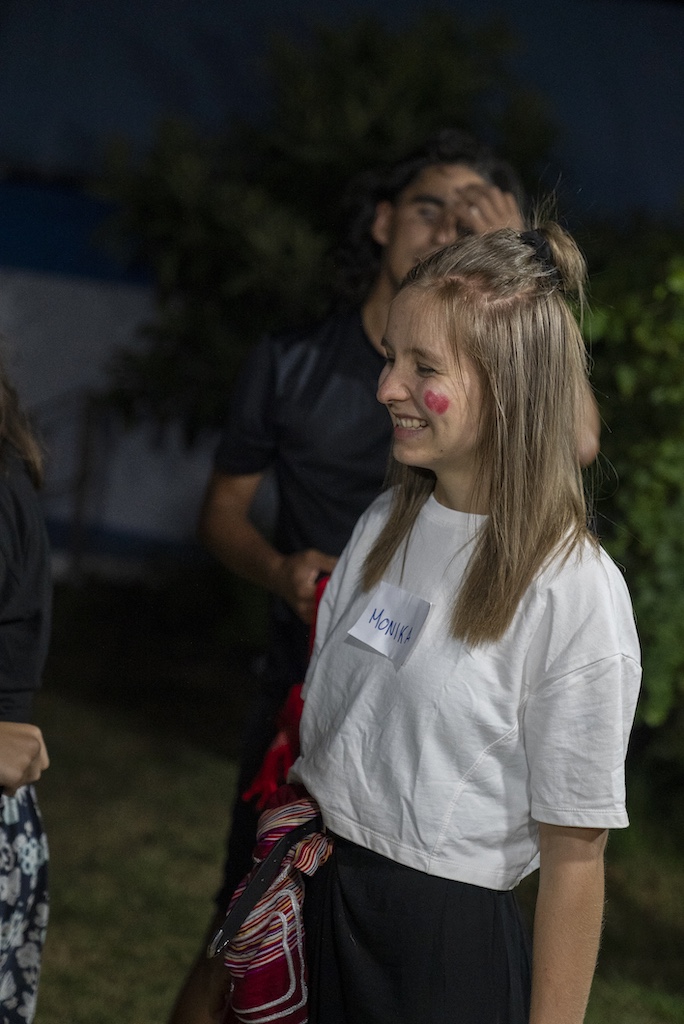
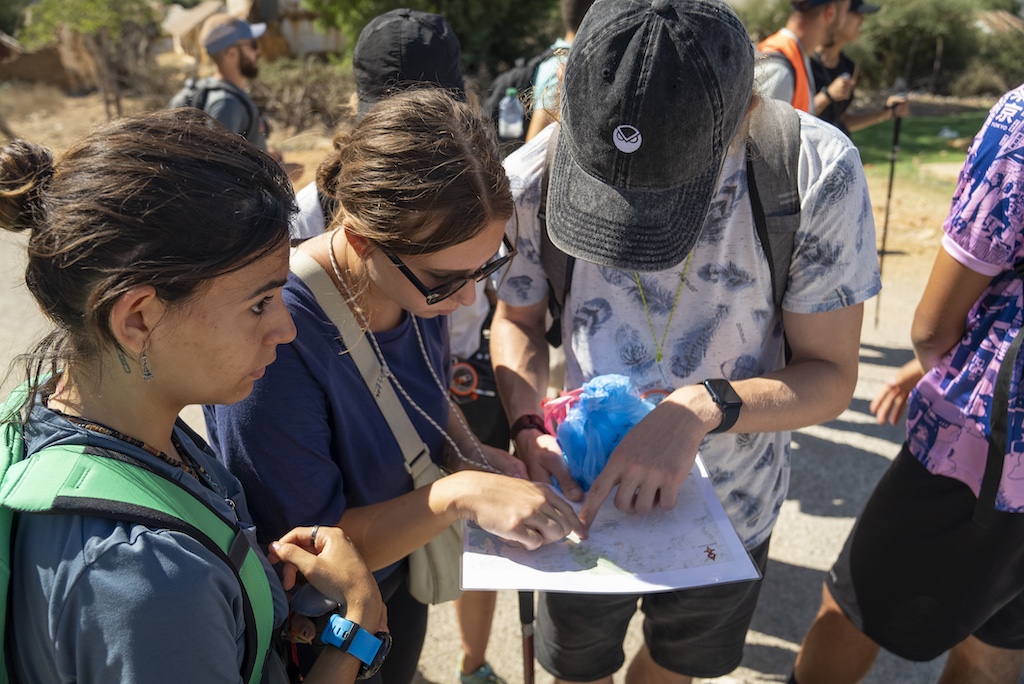
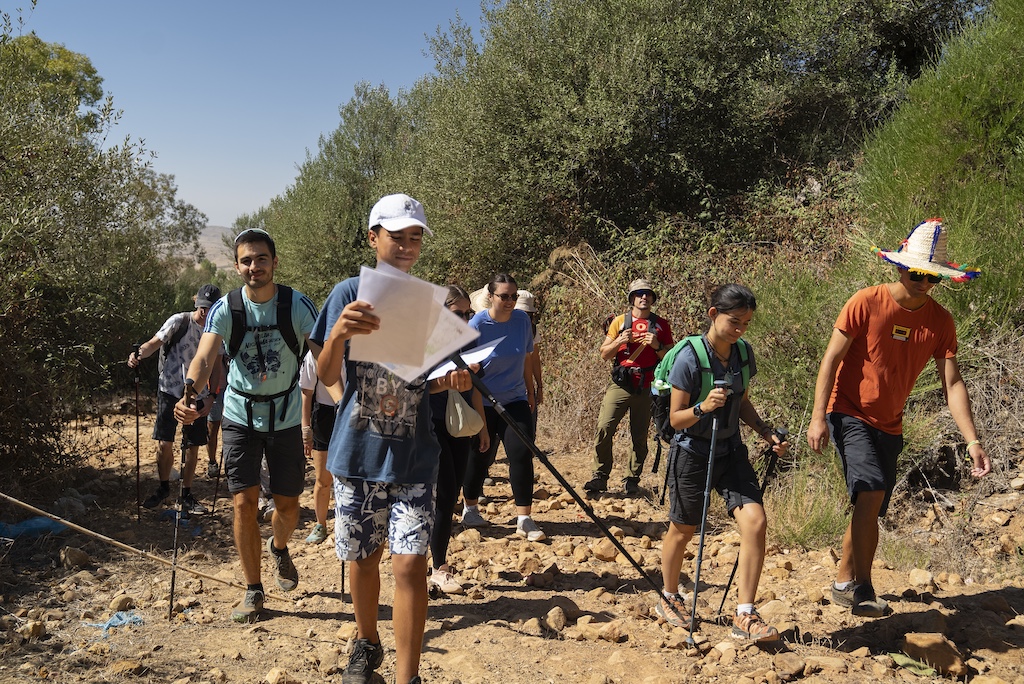
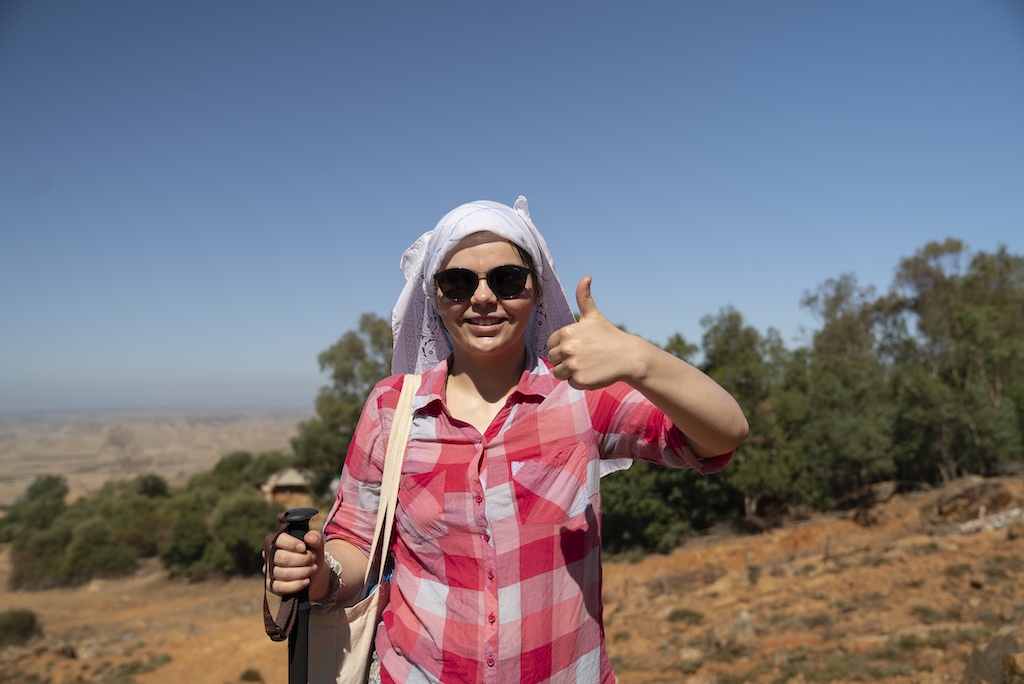
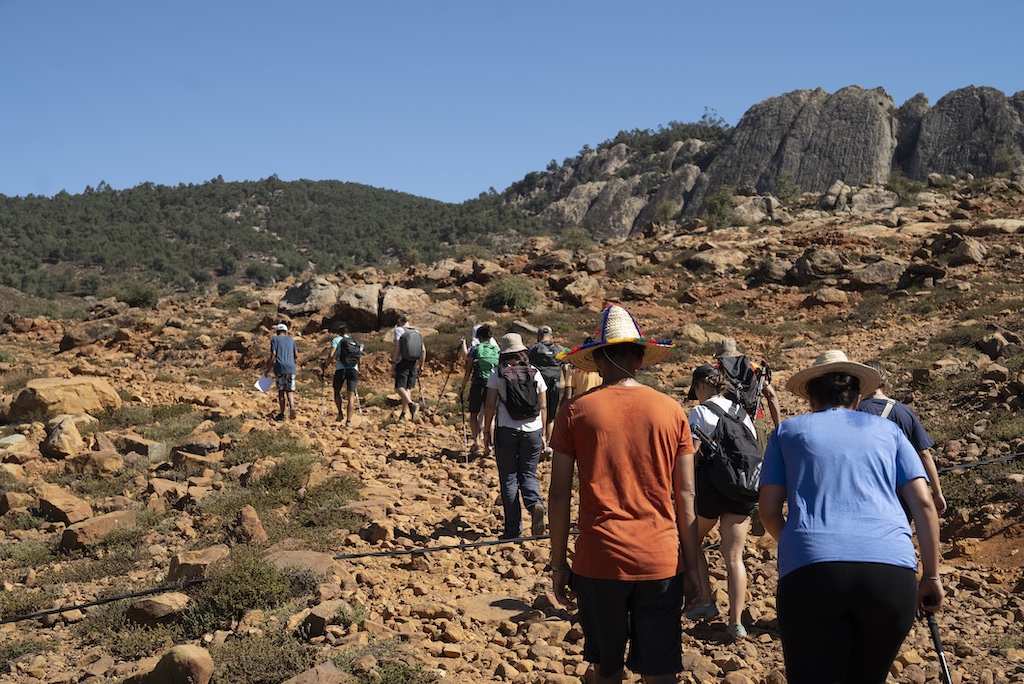
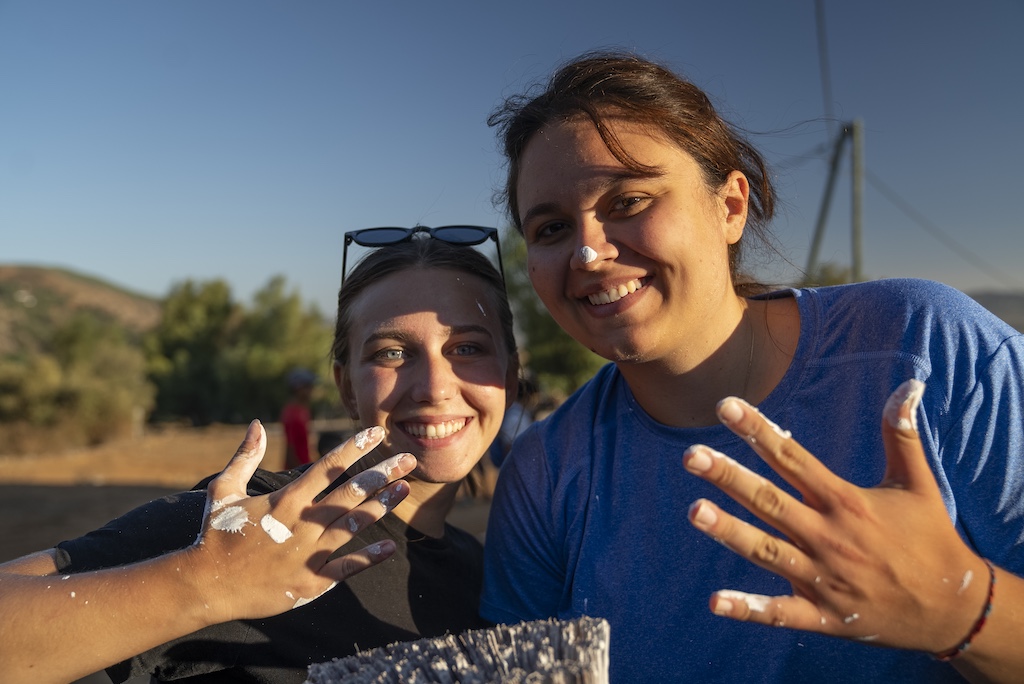
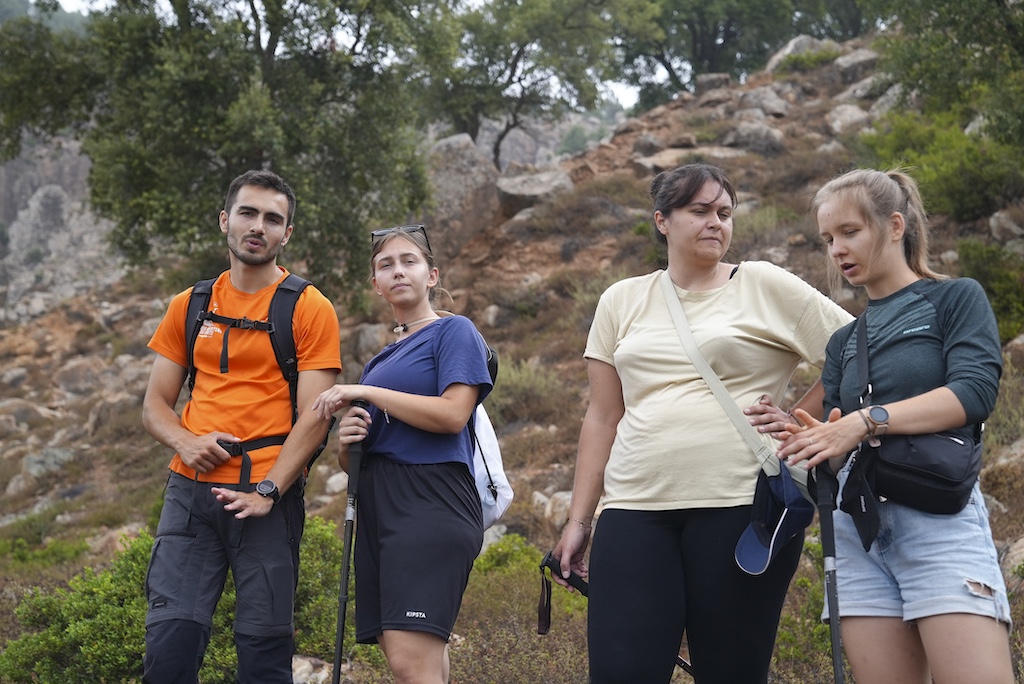
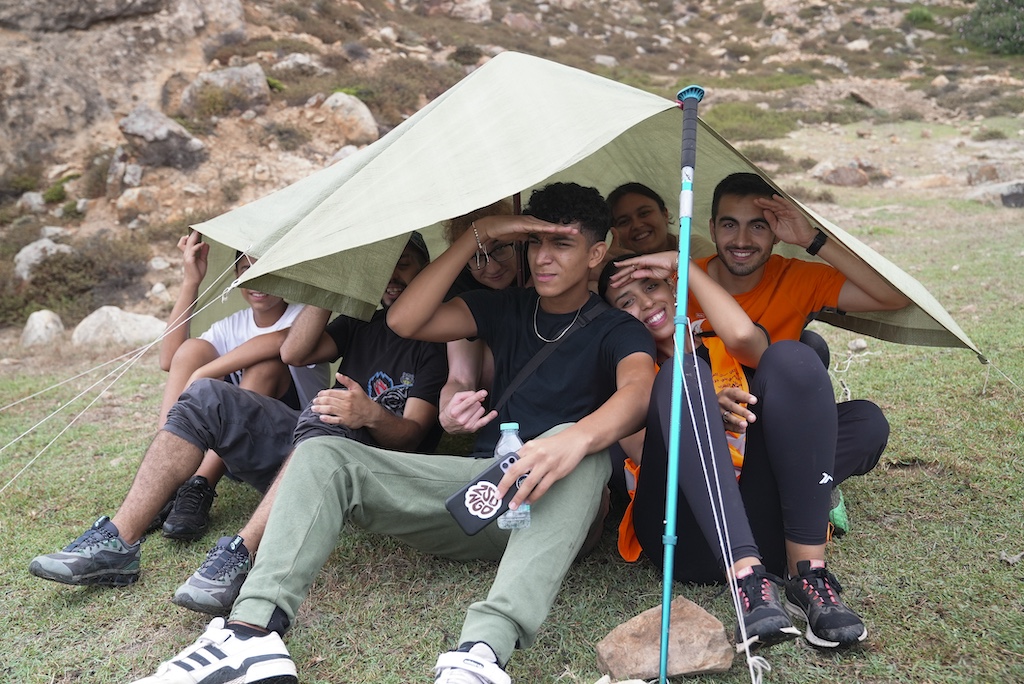
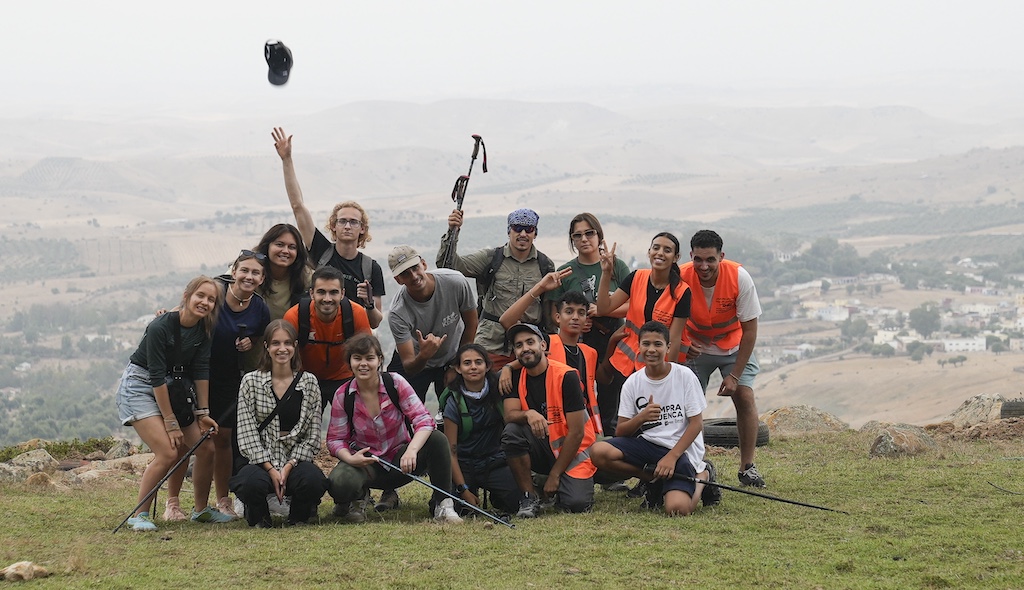
The second training took place August 26-September 8, 2024 in Beni Garfett, a rural area of Morocco where outdoor education met the reality of the local community. During the 14 days, we not only improved our outdoor skills, but also actively interacted with the locals. This training was not only about developing individual skills, but also about building deeper relationships between the participants and the local communities.
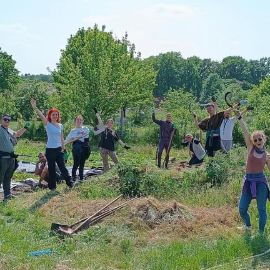
The first days belonged to teambuilding to build a strong and resilient team. We then engaged in our first community activity - collecting plastic around the mosque, where we were joined by local children. This activity was not only eco-friendly but also symbolic - it showed how small steps can lead to big changes. Each evening was filled with discussions about culture, inclusion, and the ways outdoor education can improve lives.
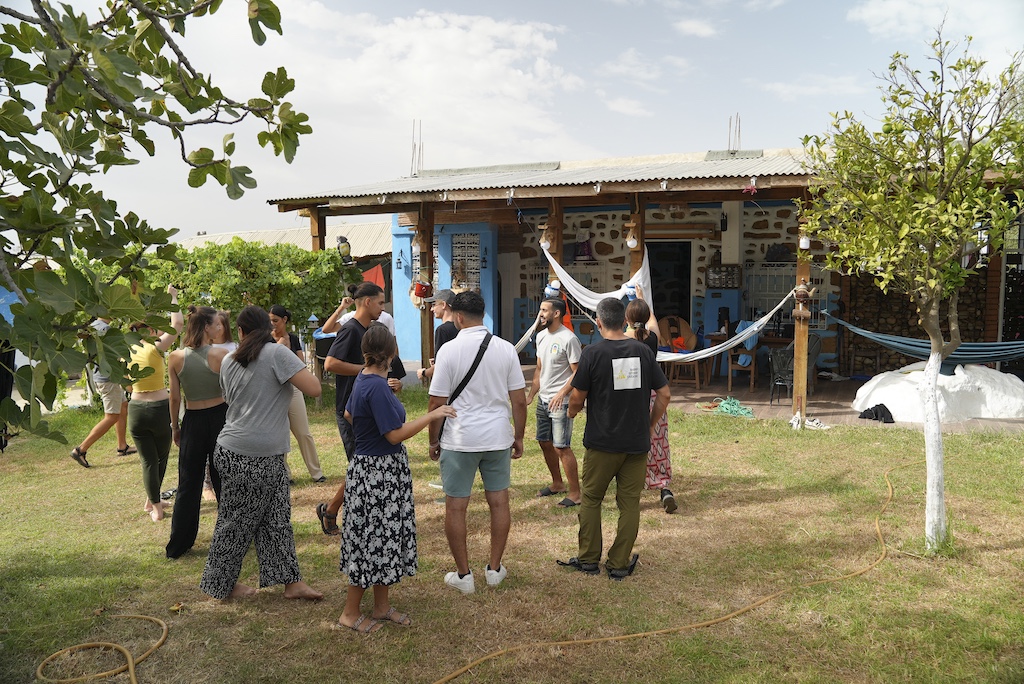
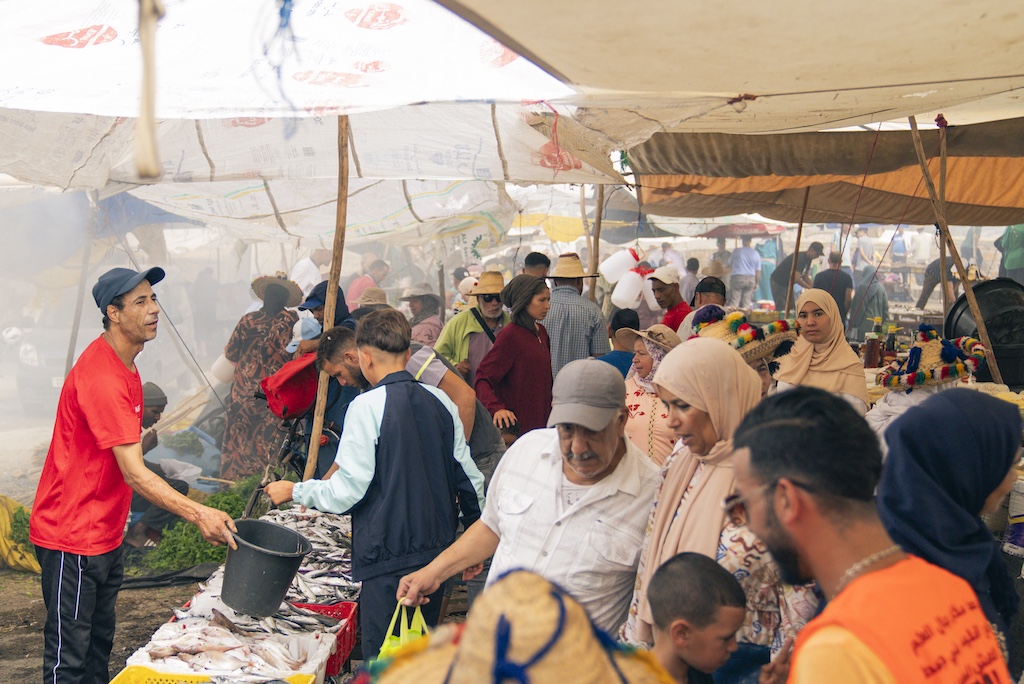
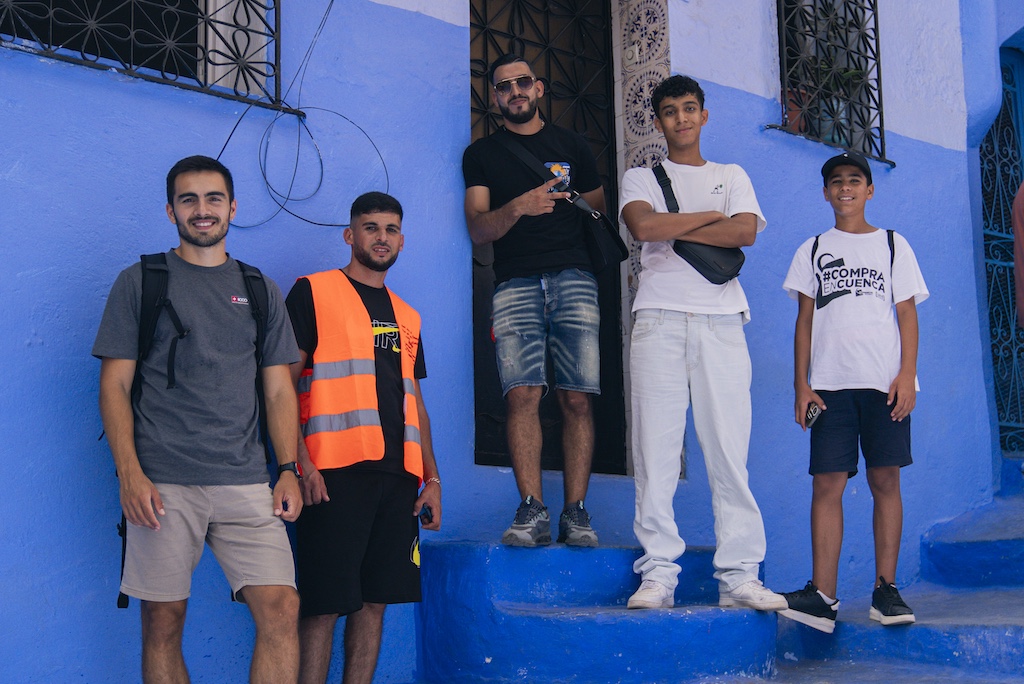
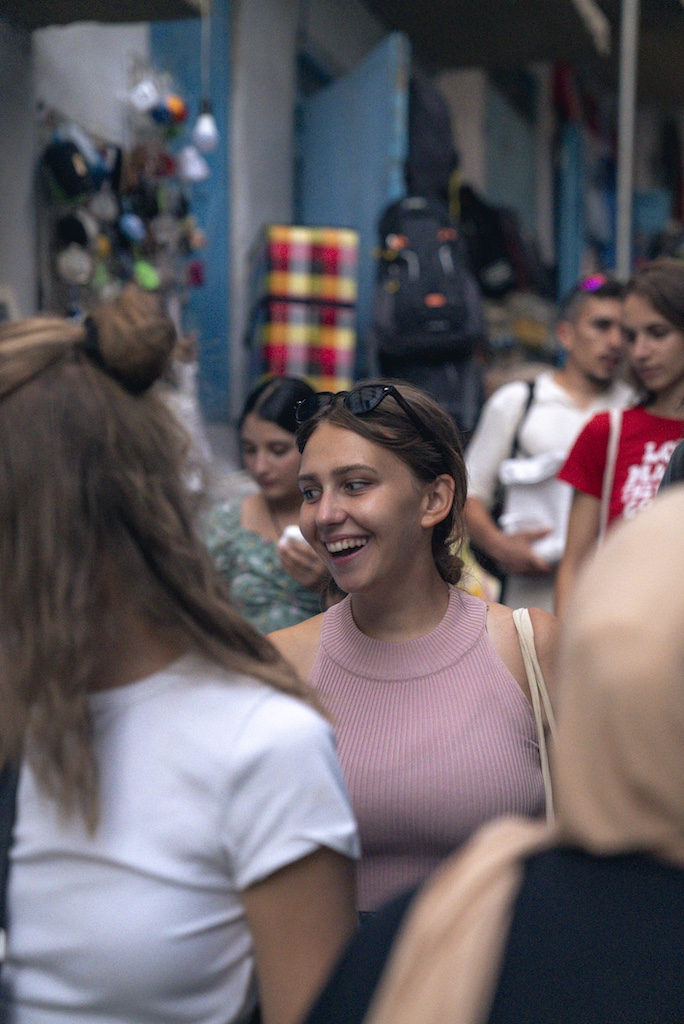
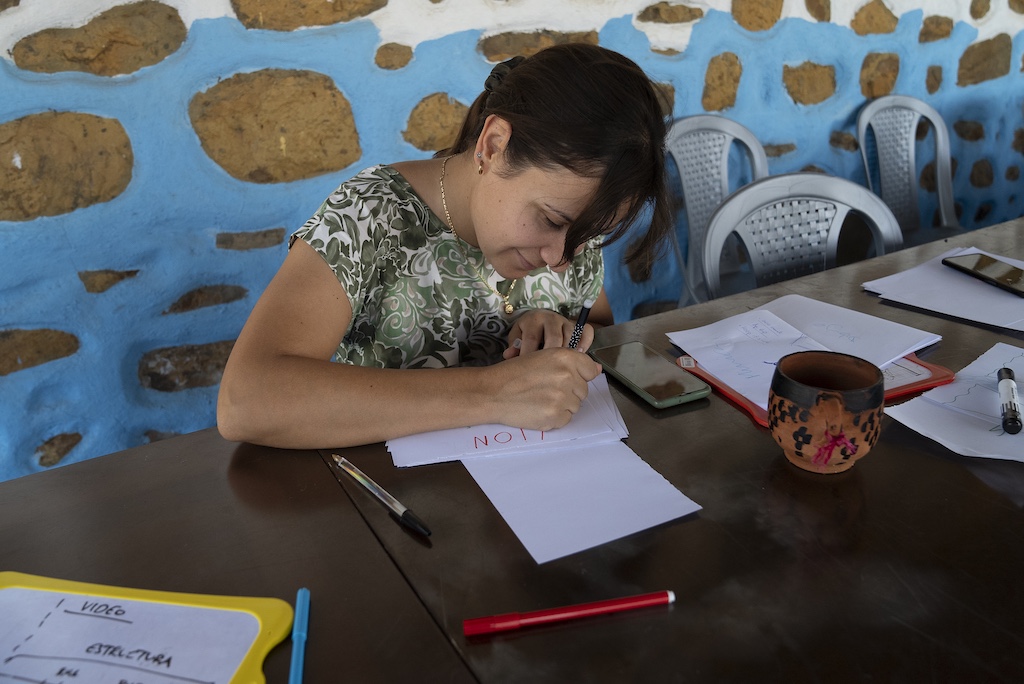
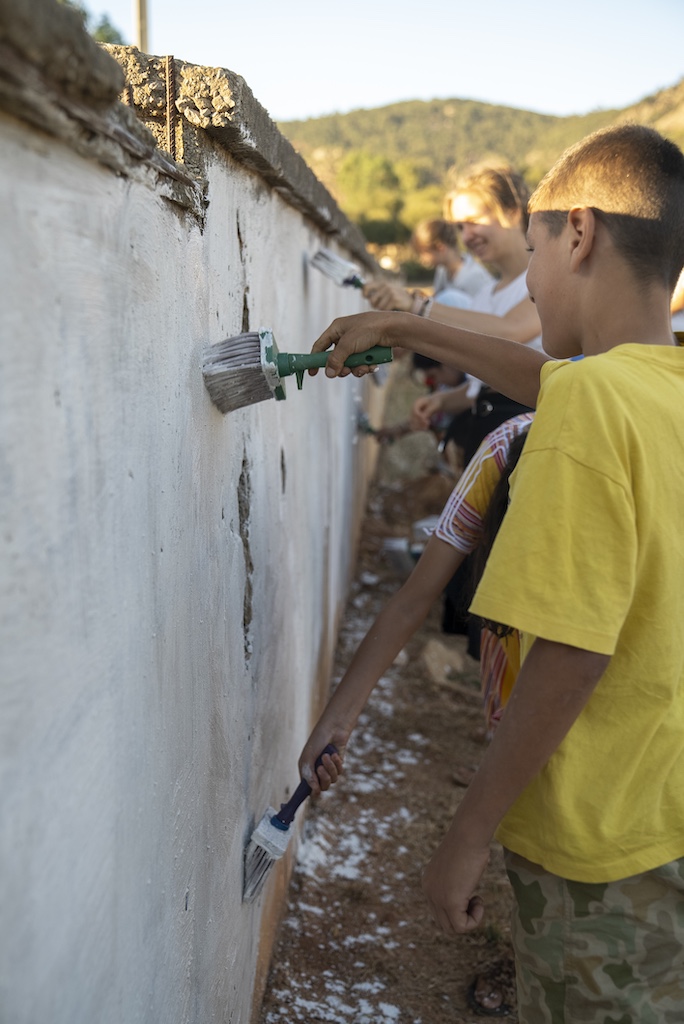
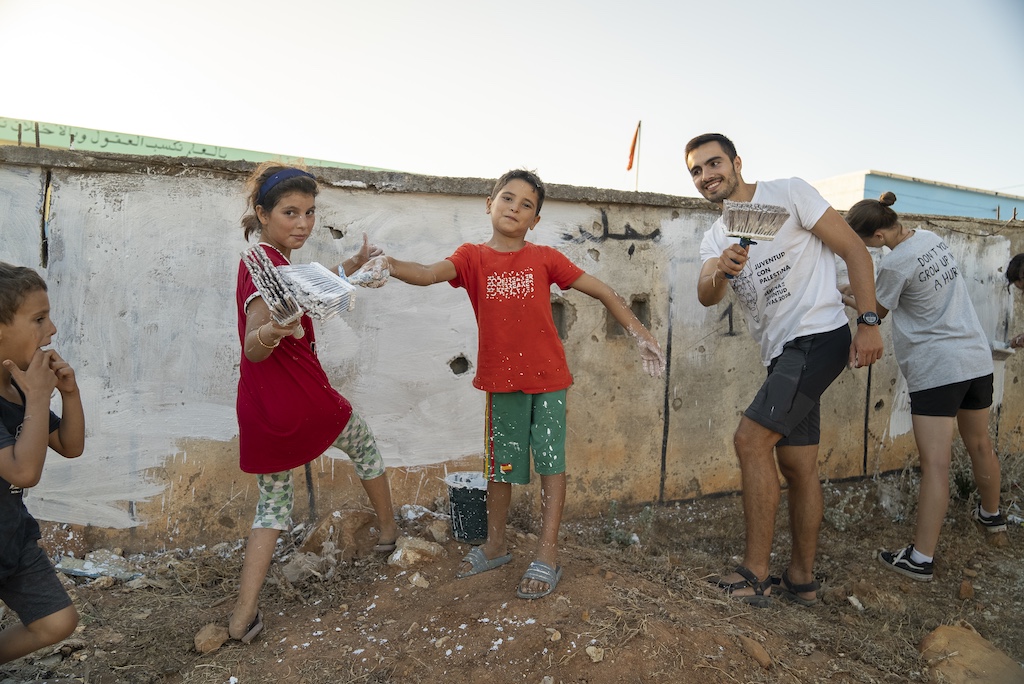
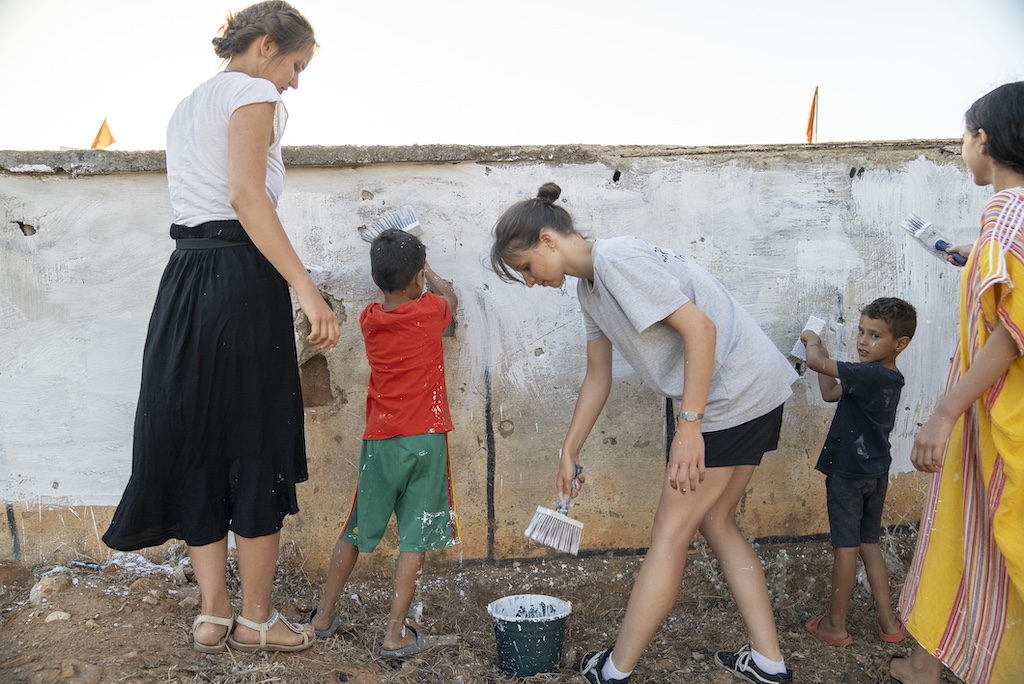
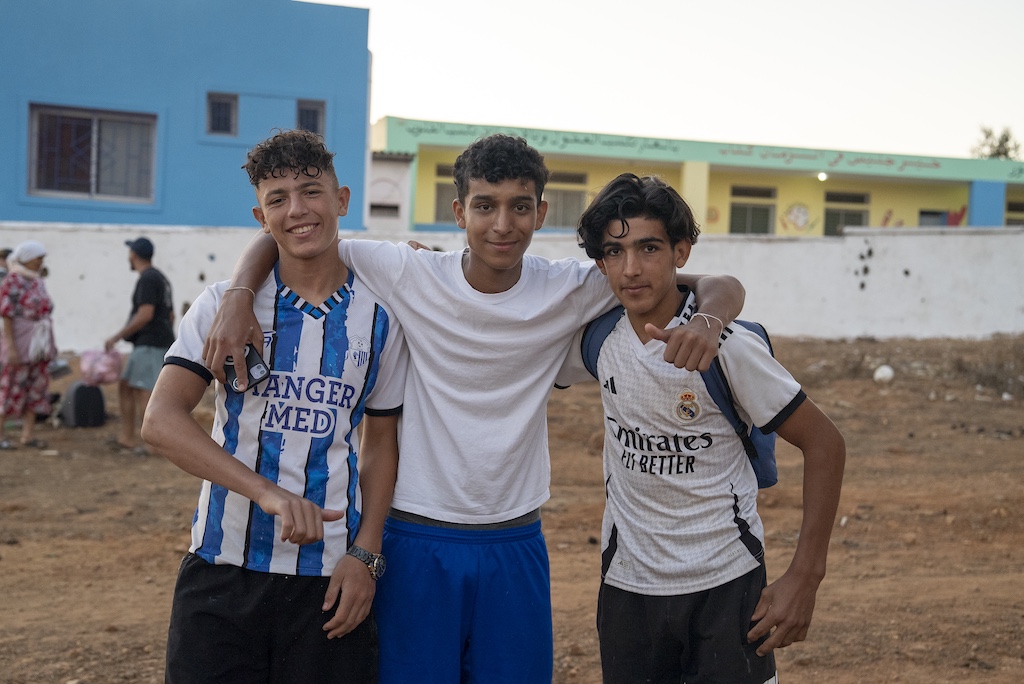
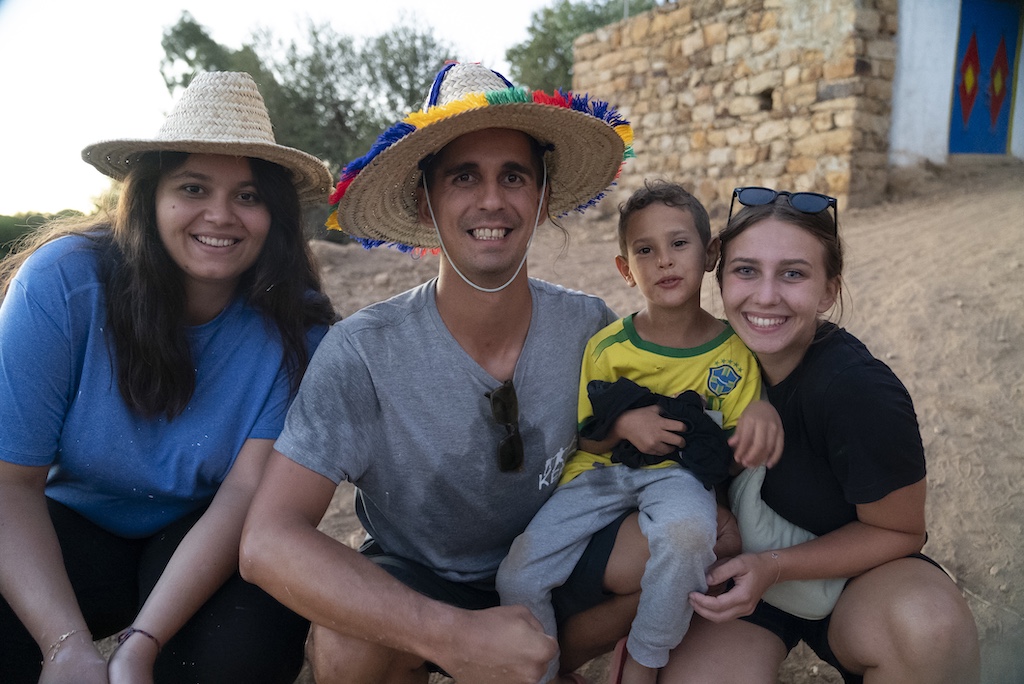
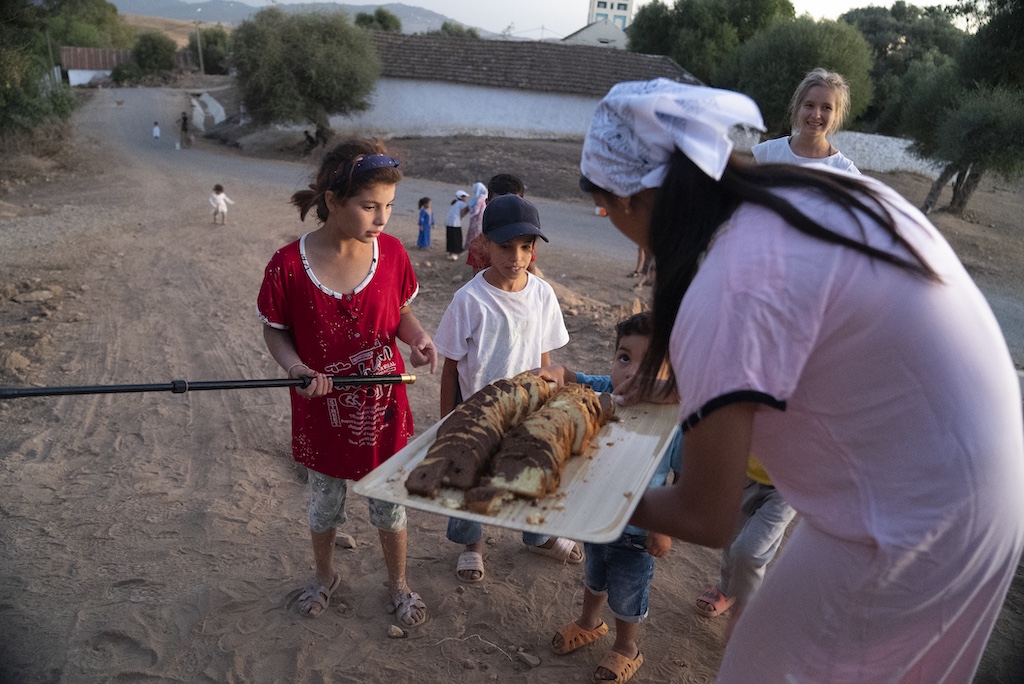
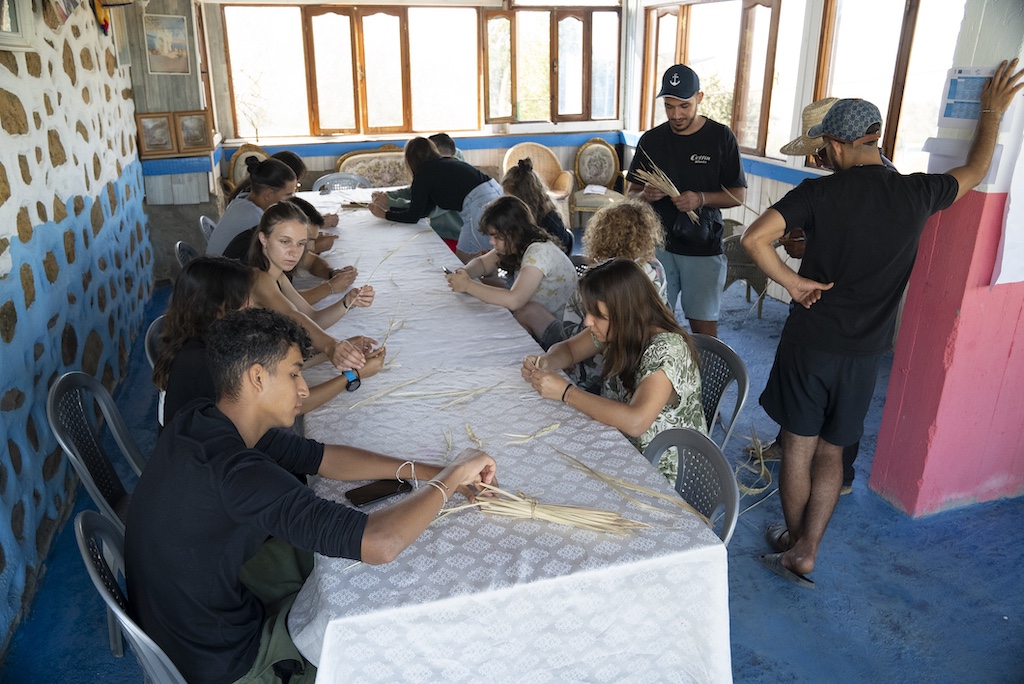
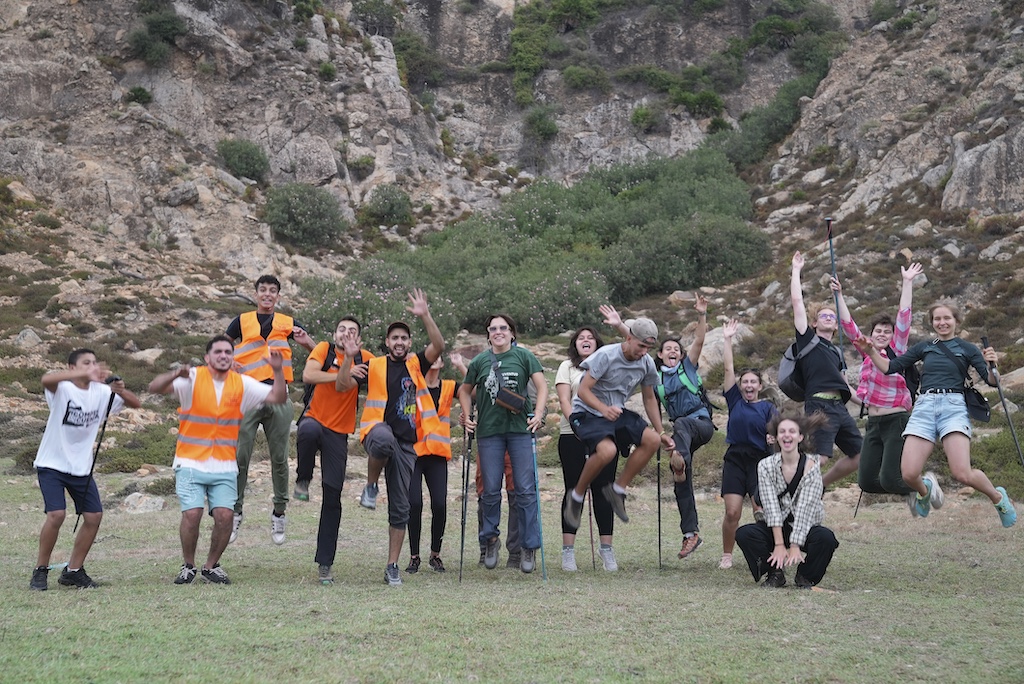
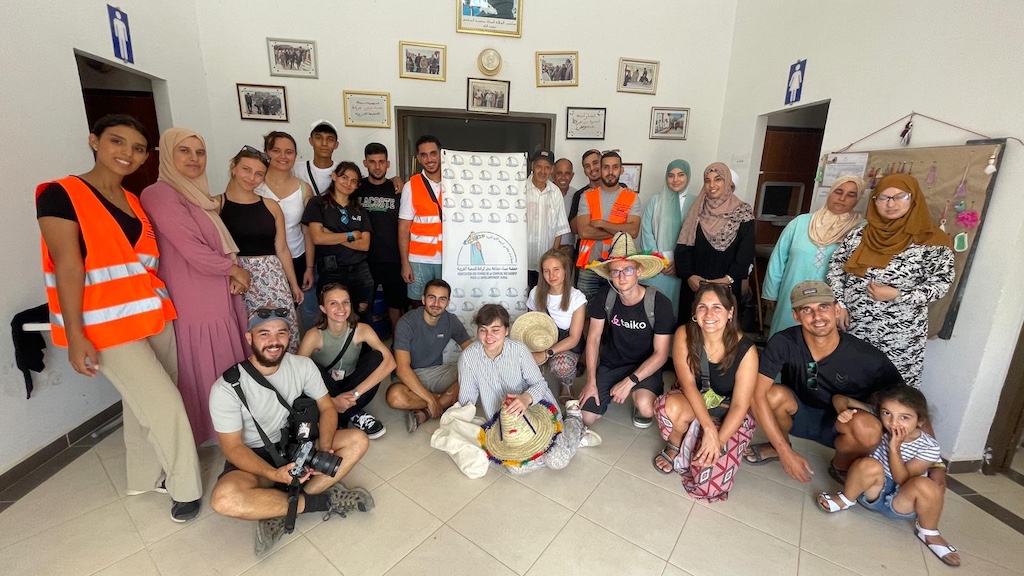
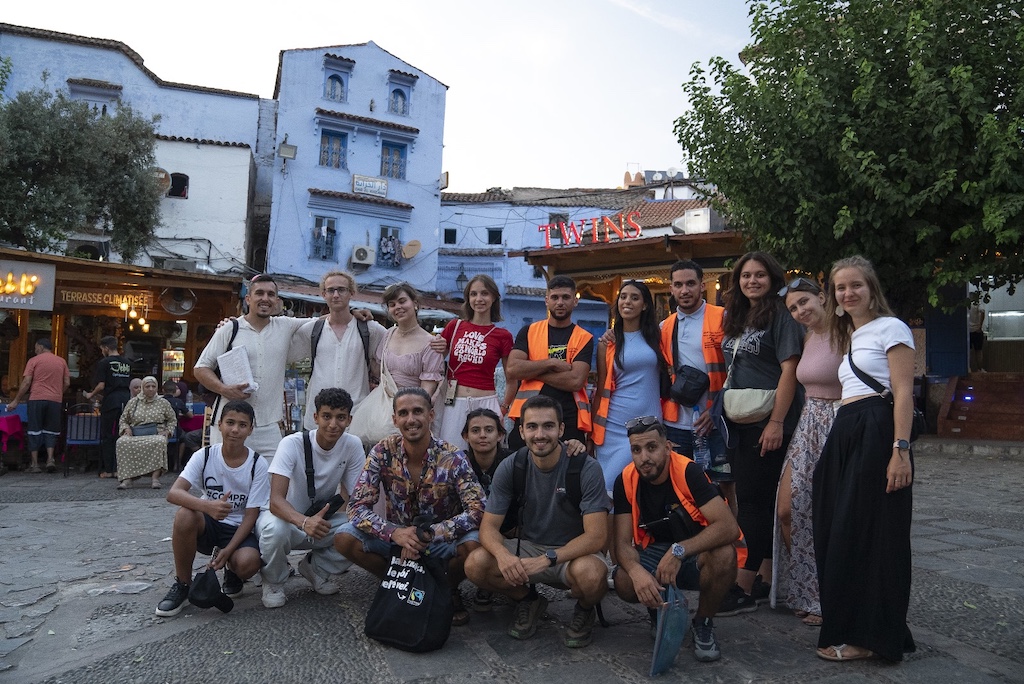
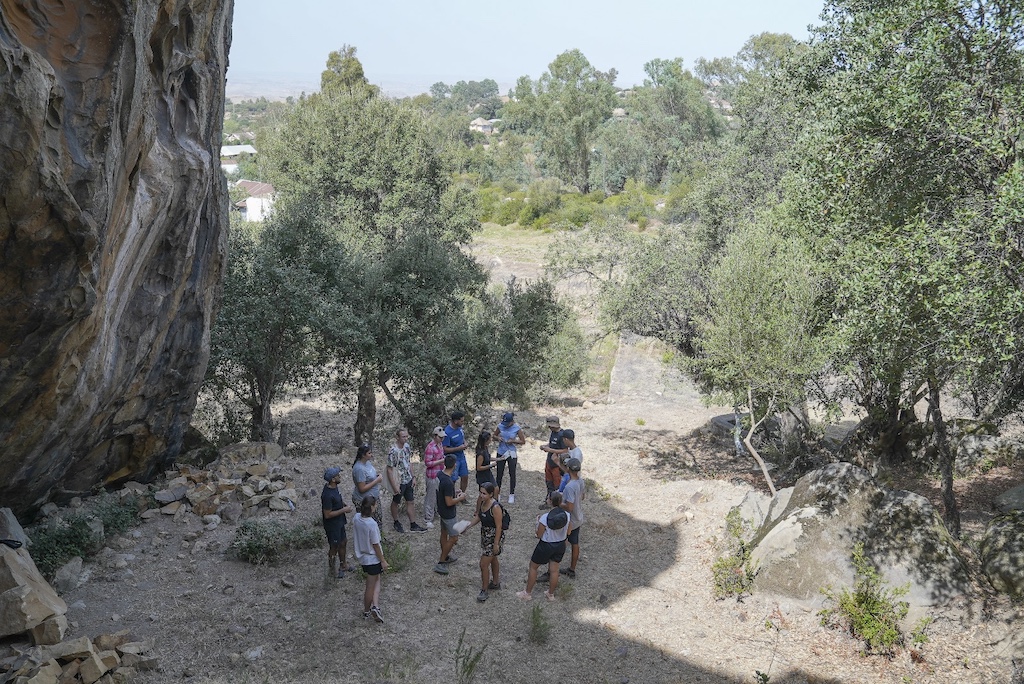
https://www.keric.sk/en/our-projects/1579-project-nomada-ka2#sigProId5e23566b2a
A memorable moment was discovering Moroccan hospitality and traditional tea, which has become a symbol of openness and mutual understanding. These experiences made us realize how important interpersonal contact and mutual support are in building an inclusive society.
The Garden of Nómada: A Handbook for Outdoor Education
One of the main outputs of the project is The Garden of Nómada Handbook, which offers practical tips for outdoor activities, tools to promote inclusion and useful games. The handbook was developed in collaboration with partners from Spain, Poland and Morocco and is available on the KERIC website. In addition to theoretical knowledge, it also contains concrete examples of activities that teachers and youth workers can use in their work.
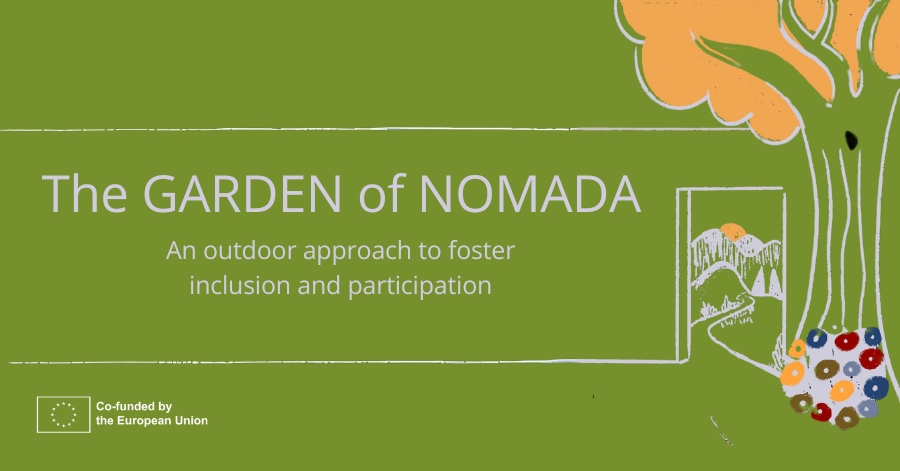
To get inspired and find out how to use outdoor learning in your setting, read the guide here: The Garden of Nomada - An outdoor approach to foster inclusion and participation
Online Course: Experiential learning accessible to everyone
In addition to the handbook, we have also created an online course which will be launched in April 2025. The course consists of two modules:
- Preparing Participants for Outdoor Activities
- Facilitating outdoor learning
The course is designed to be accessible to anyone who wants to learn more about how to use outdoor learning in a variety of settings. It will offer videos, interactive exercises and practical tutorials to help you expand your knowledge and skills.
If this topic interests you and you would like to improve your skills as a youth worker, register for the 30-hour NOMADA online course. This year it will begin on April 15, 2025, the materials will be available to you 2 months after it begins.
View the NOMADA documentary!
After two years of collaboration, adventure and growth, we are proud to present to you the NÓMADA Project Documentary! 🎬💚 See how experiential learning in nature can break down barriers, foster inclusion and strengthen communities. This documentary captures the authentic stories of participants, their challenges, successes, and moments that changed their perspective on the world.
Acknowledgements
A huge thank you to all the partners who helped make this project happen, and the biggest thanks goes to MOE for their coordination and dedication. Without their tireless work, this project would not have been possible.
Together we have shown that outdoor education is more than just a game - it is a tool for positive change. 🌿✨ This project taught us that learning outside of the traditional classroom is not only effective, but also inspiring and life-changing. We believe that outdoor education will continue to grow and bring new opportunities to young people around the world.
This project is funded thanks to the Erasmus+ programme.

 .
.