Youth Exchange at a Glance
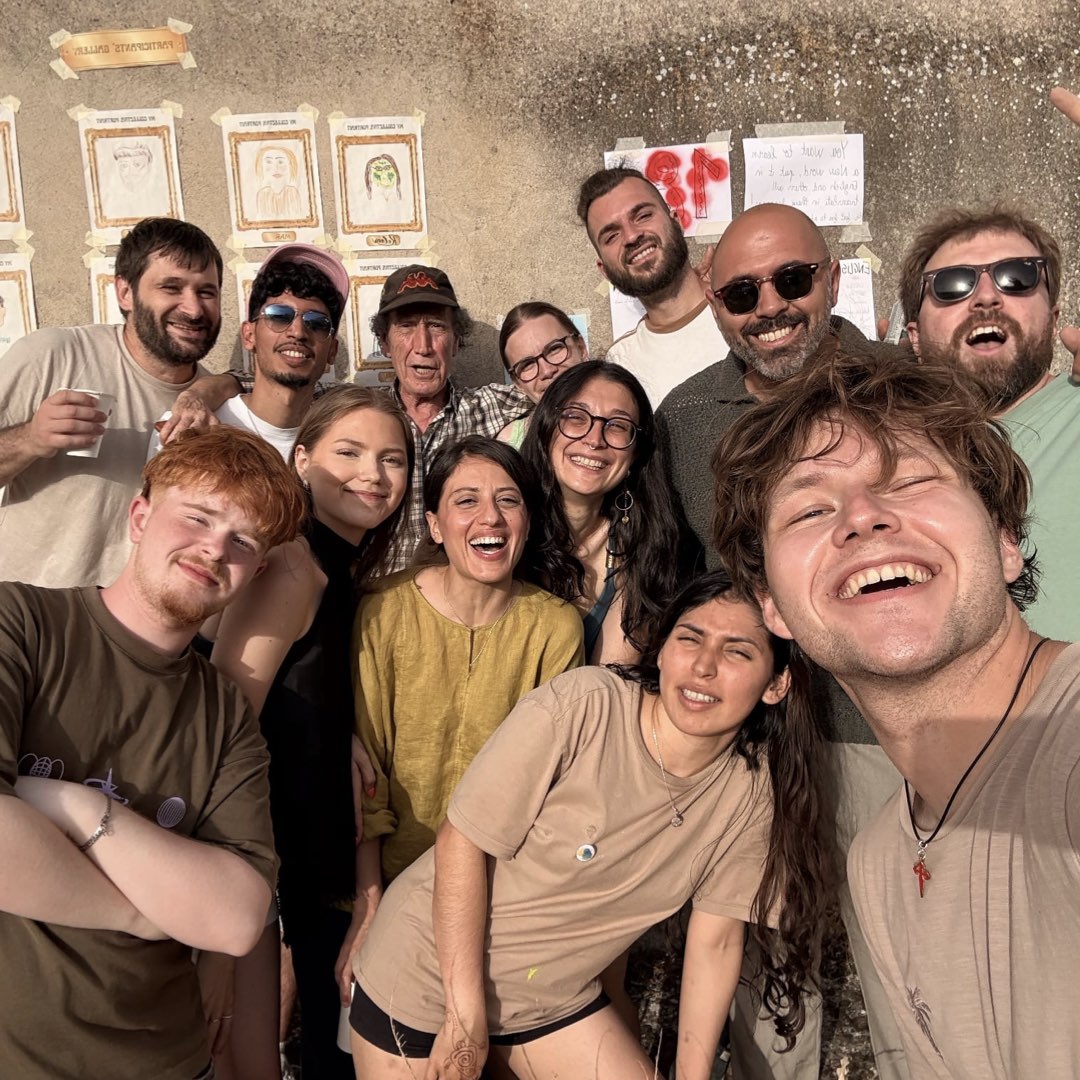
A youth exchange brings together groups of young people from several countries who work together on a single theme for 5 to 21 days. You learn informally: in groups, through discussions, games, outdoor activities, and shared reflections. No desks or grades. The exchanges are supported by the Erasmus+ program, which covers accommodation, meals, and the program, and contributes toward travel expenses.
Young People Who Have Something to Offer Rural Areas
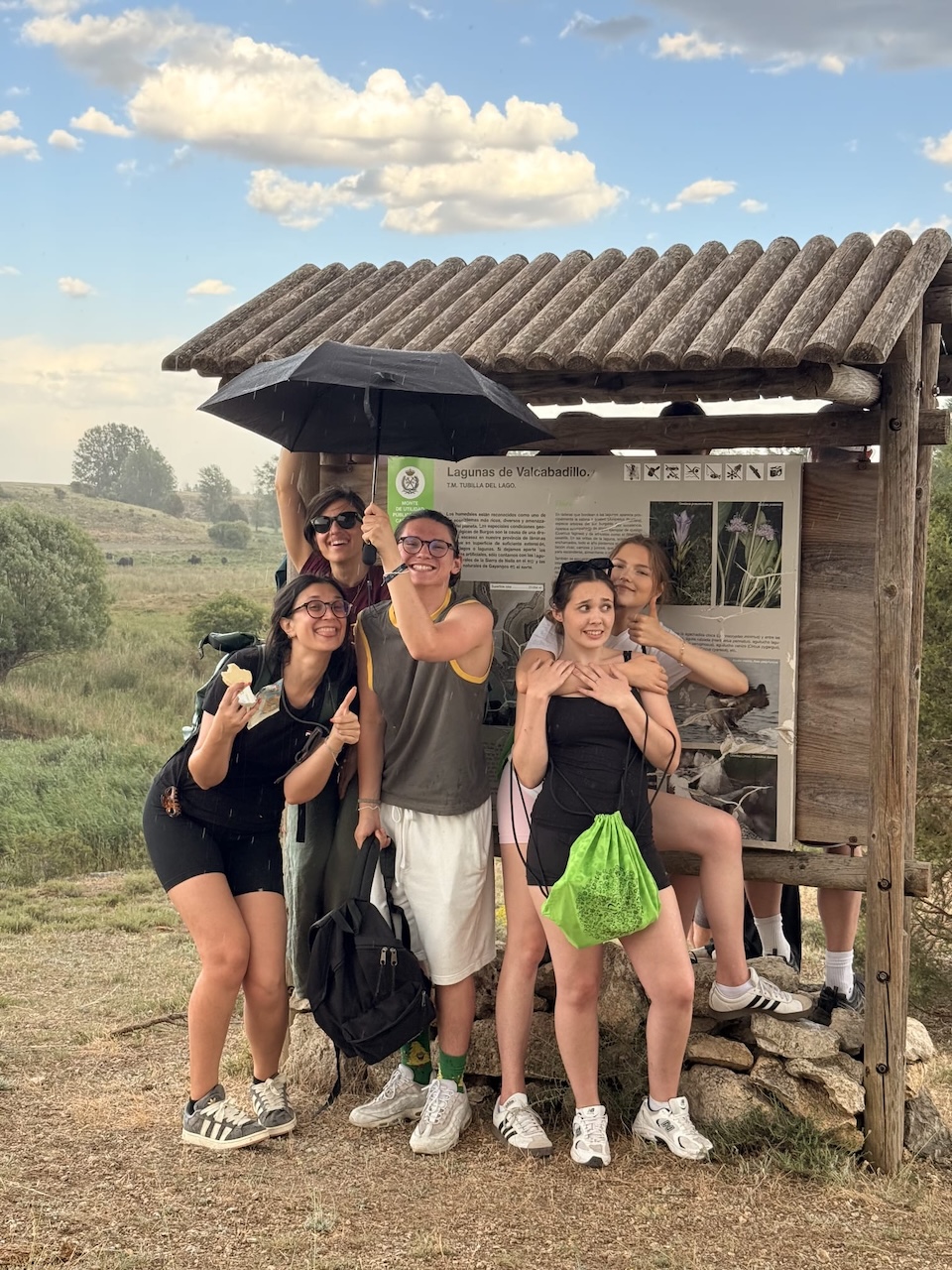
The theme of the exchange was “Youth Participation in Rural Areas and Sustainable Development.” We discussed how to give young people a voice in local communities, how to create opportunities for them in rural areas, and how to protect nature in the process. The central theme of this year’s event was access to water as a human right. The exchange was organized by the Amycos Association from Burgos.
A Day from the Energizer to the Intercultural Evening
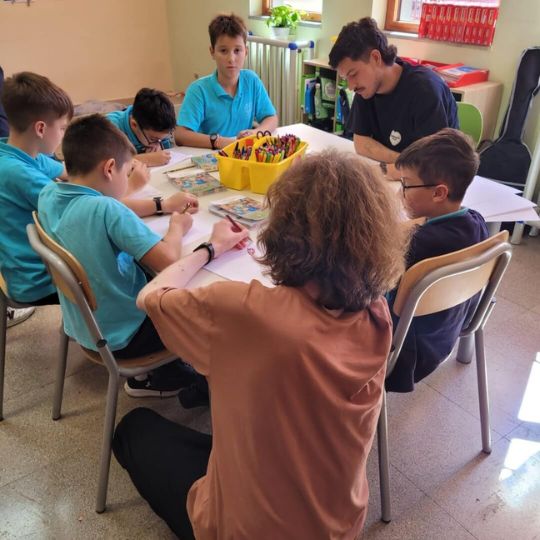
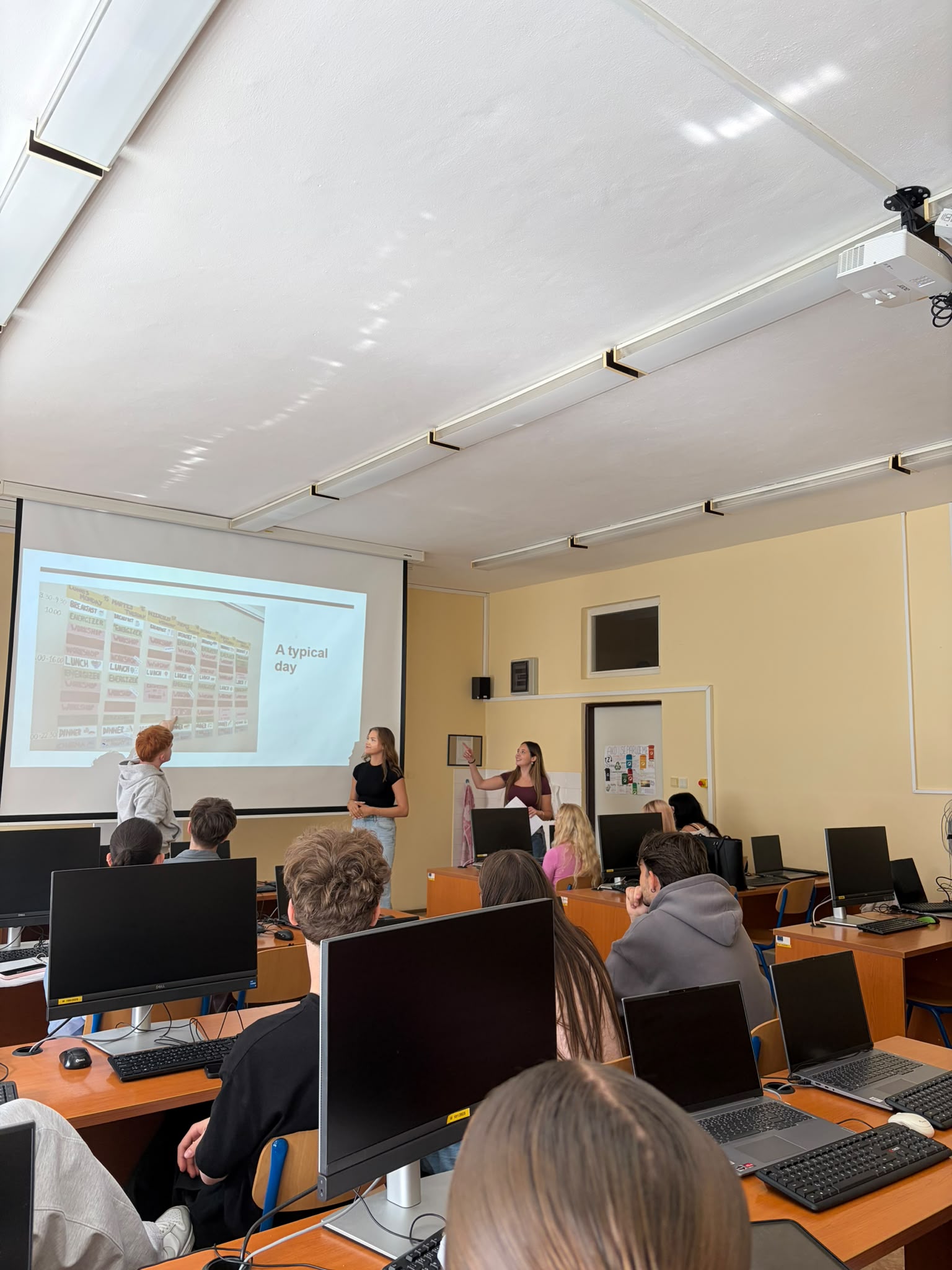
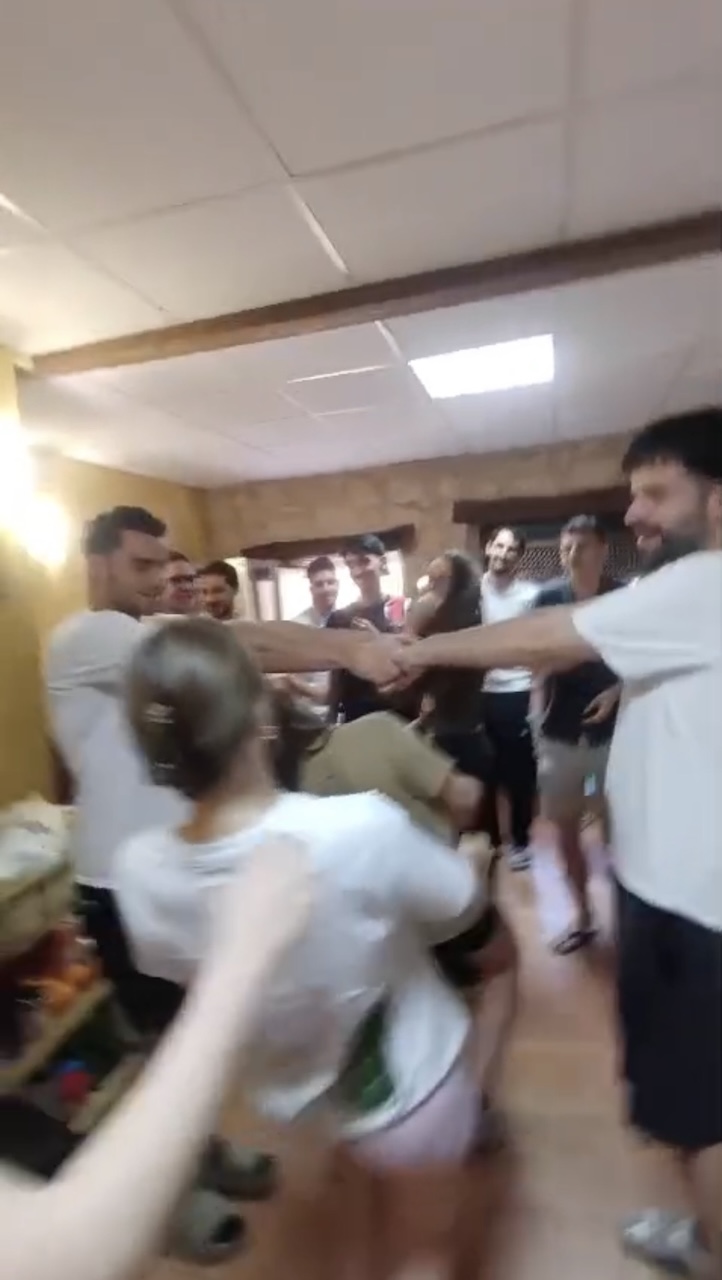
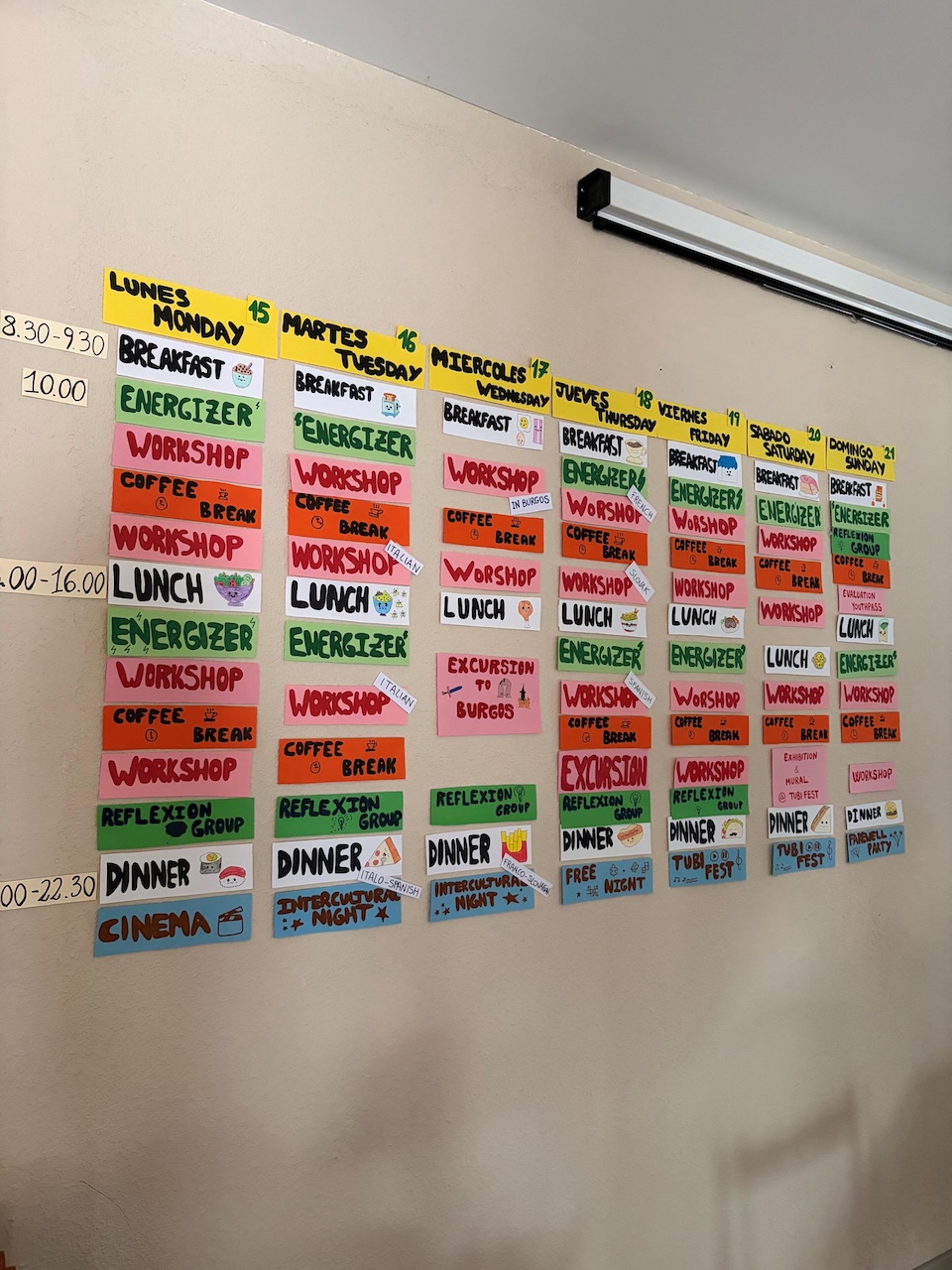
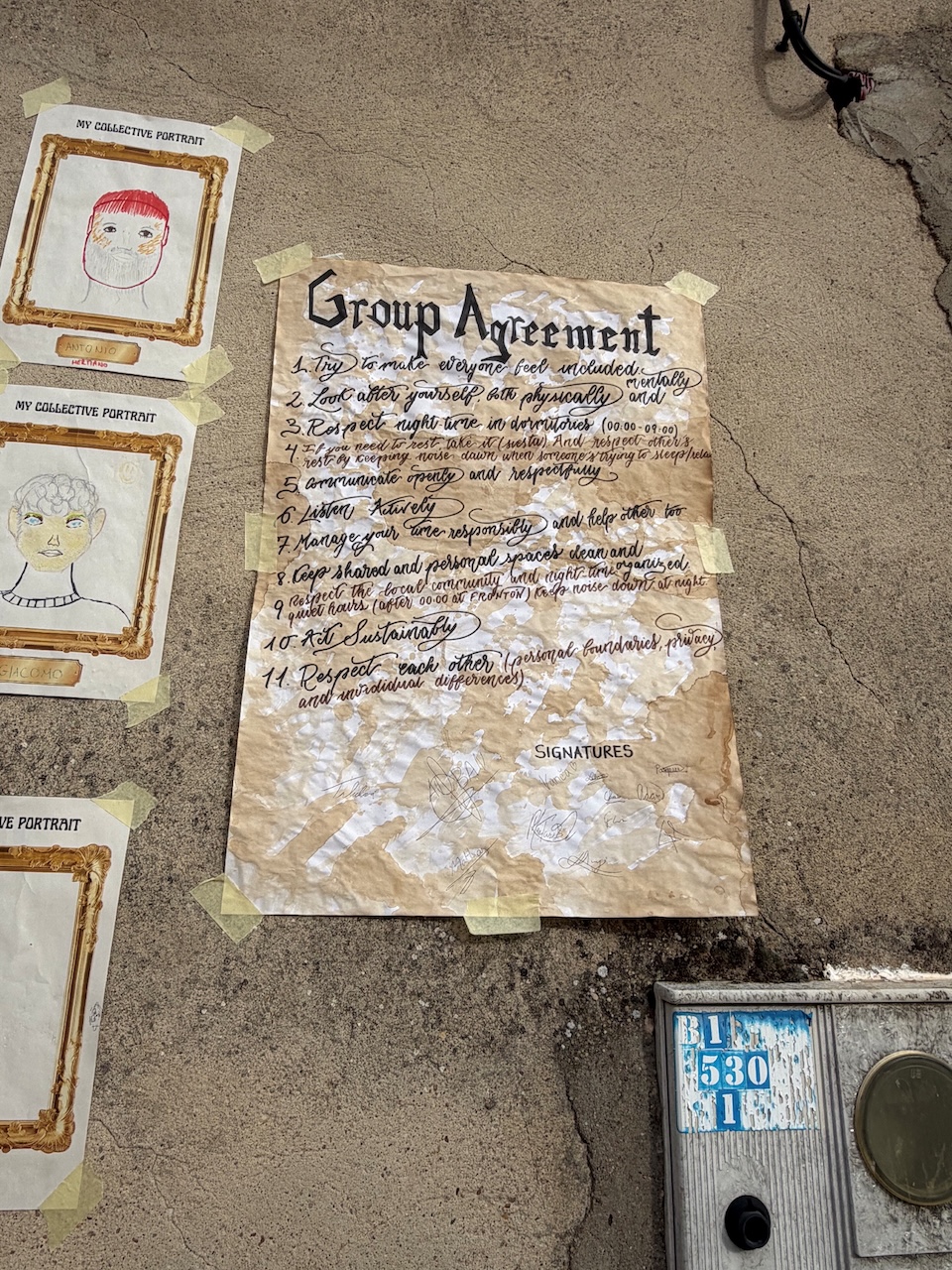
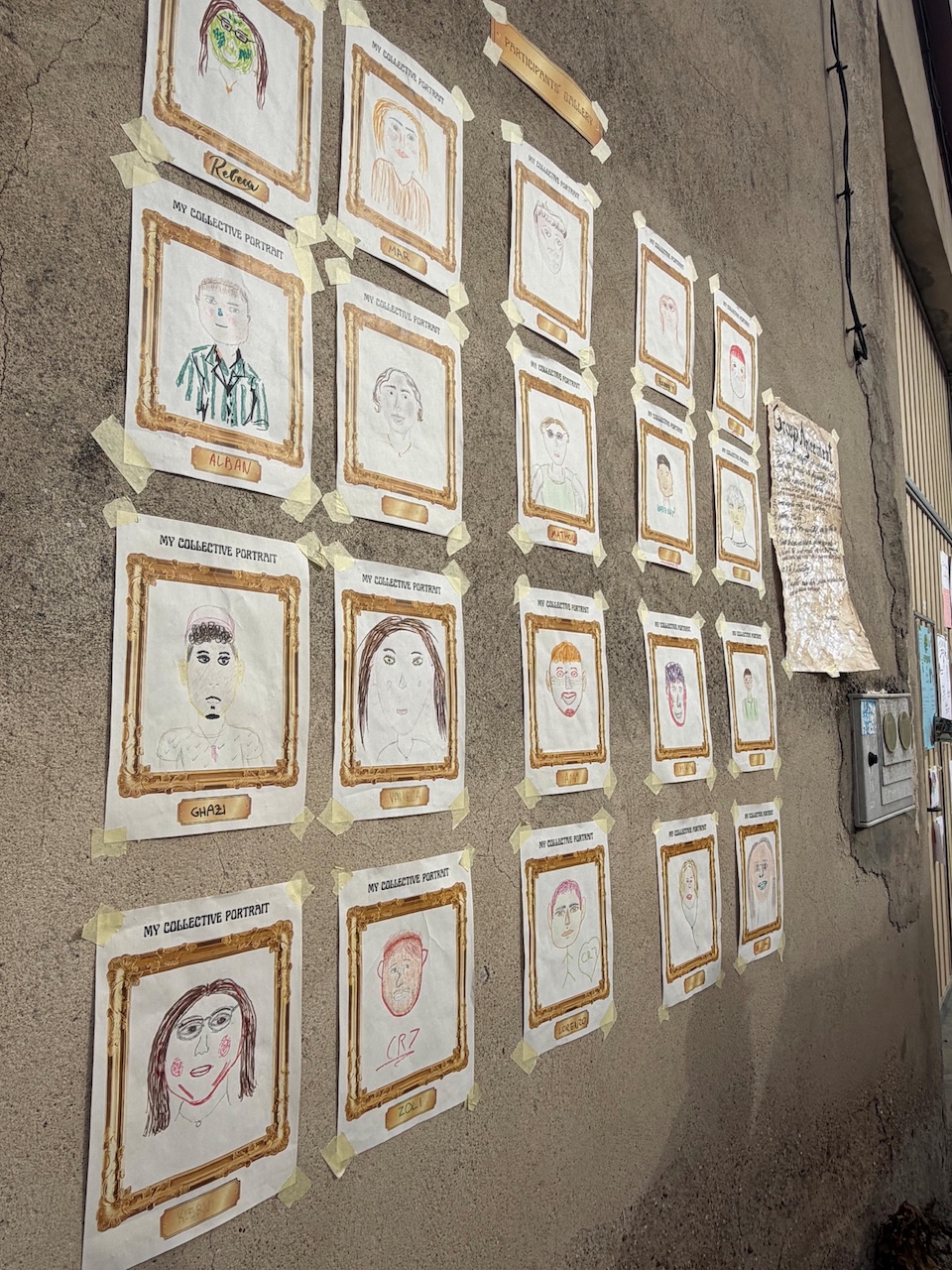
At the beginning, we wrote down our group agreement. After that, each day followed a similar rhythm. Breakfast at 8:30 a.m., an energizer at 10:00 a.m. to get us moving, and then workshops interspersed with coffee breaks. After lunch, another energizer, workshops, and in the early evening, reflection groups where we discussed what the day had brought us. After dinner, it was time for the evening program: movies, intercultural evenings, a free evening, and the local TubiFest festival.
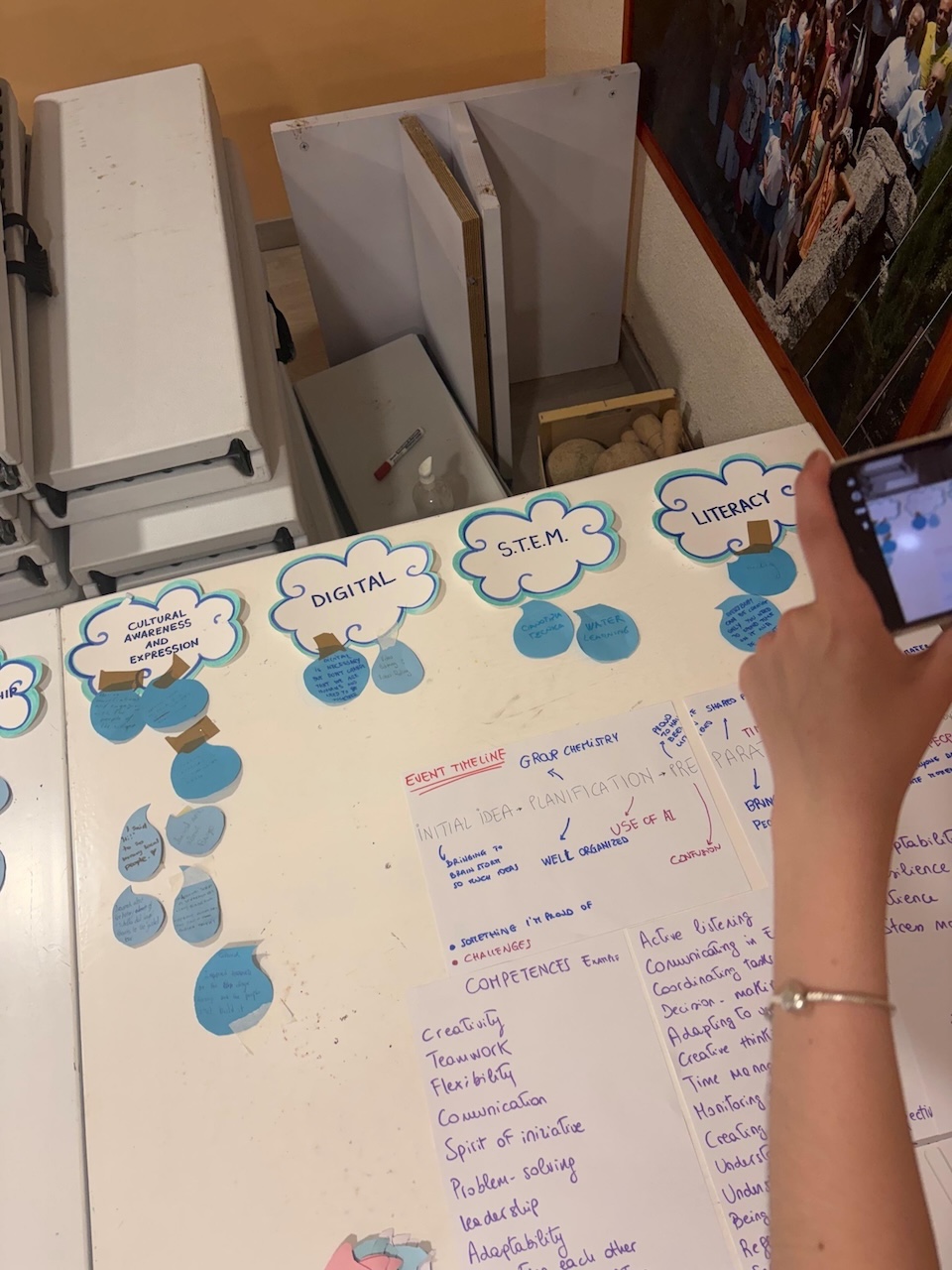
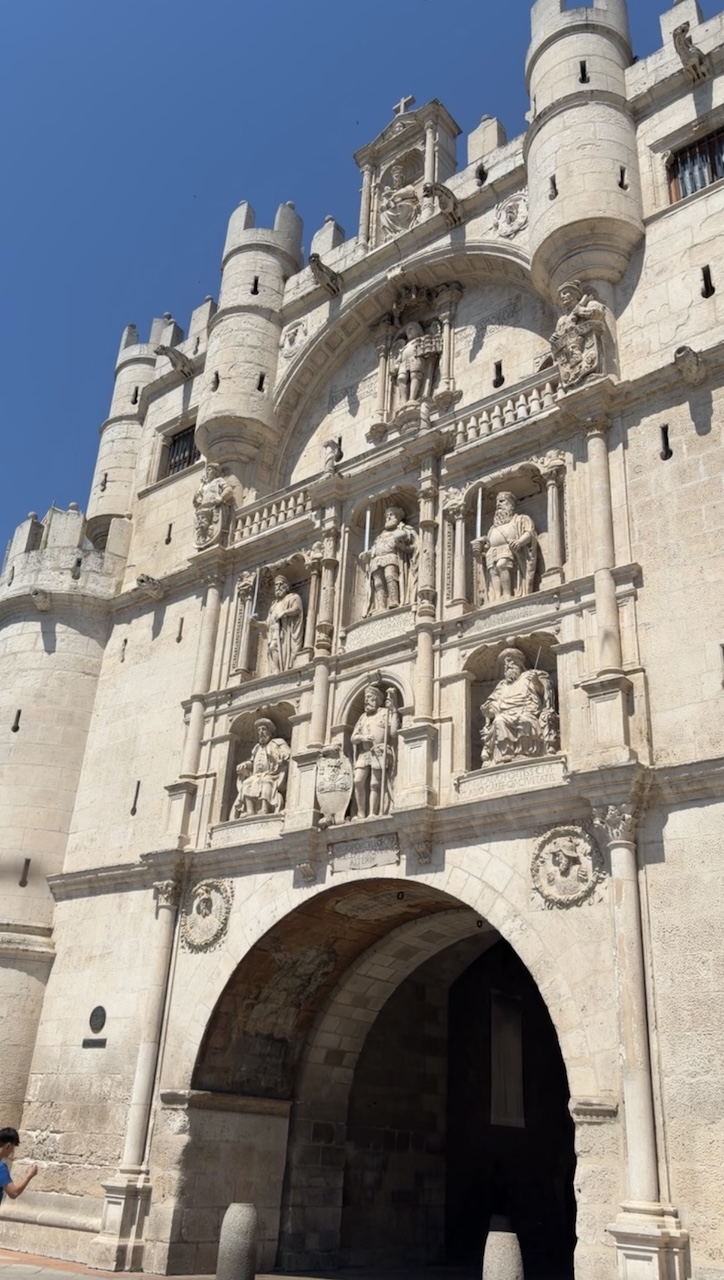
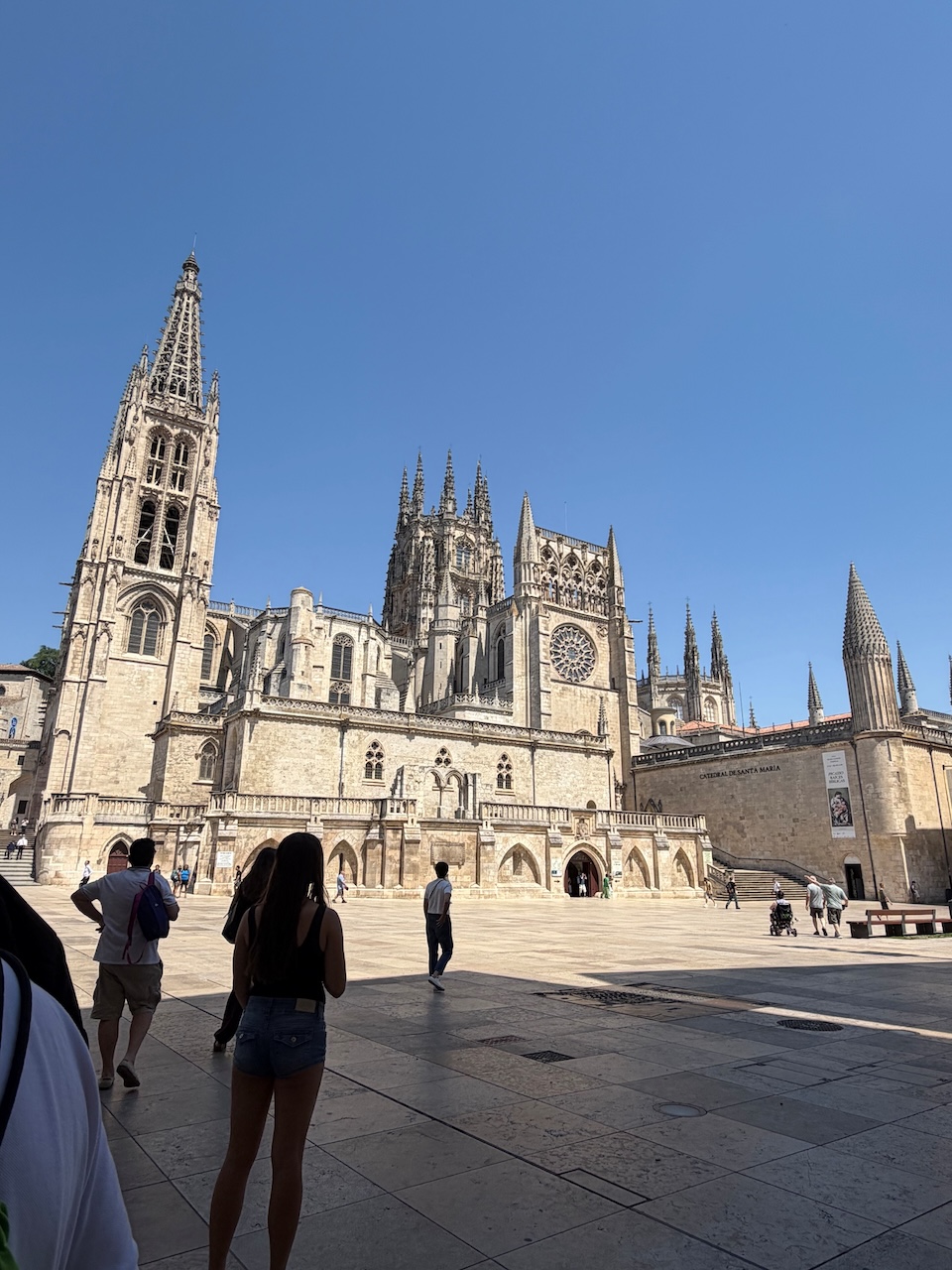
The workshops weren’t led solely by facilitators. Each national group prepared its own workshop; the Slovak one took place on Thursday. On Wednesday, we went on a trip to Burgos, and on Sunday, we evaluated the exchange and worked on our Youthpass, a certificate documenting what we had learned.
The Village as a Partner, Not Just a Backdrop
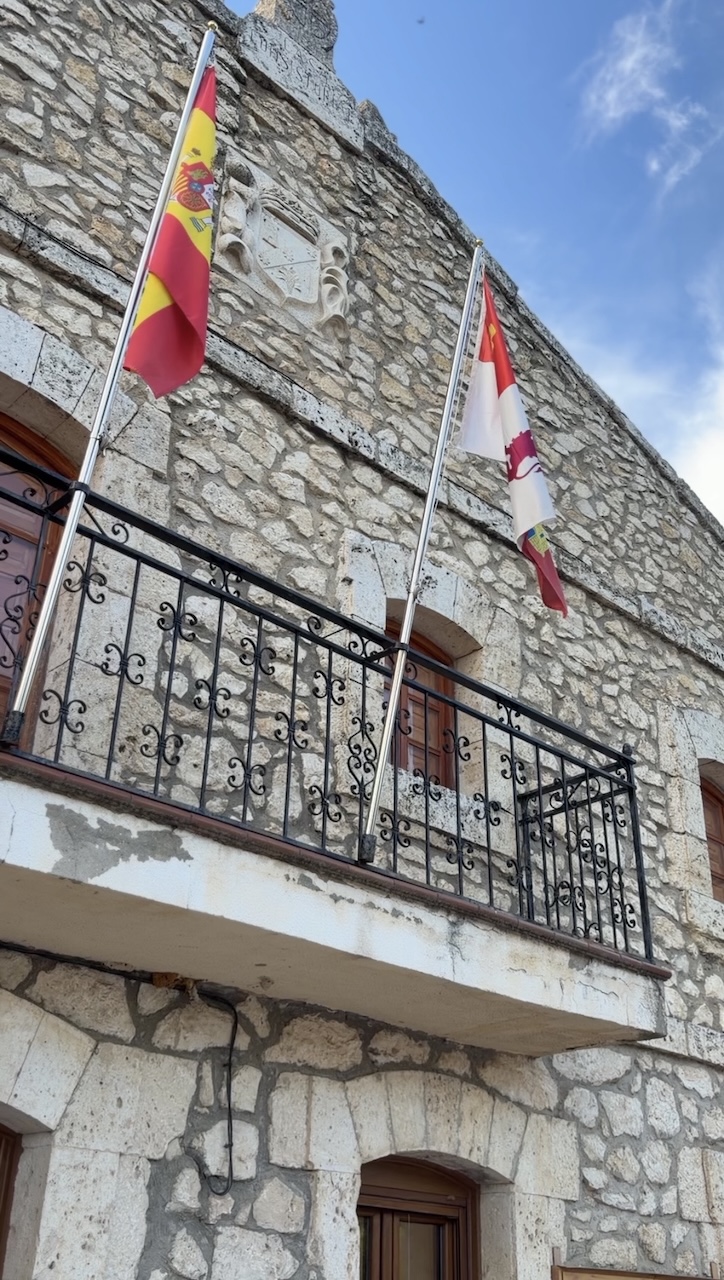
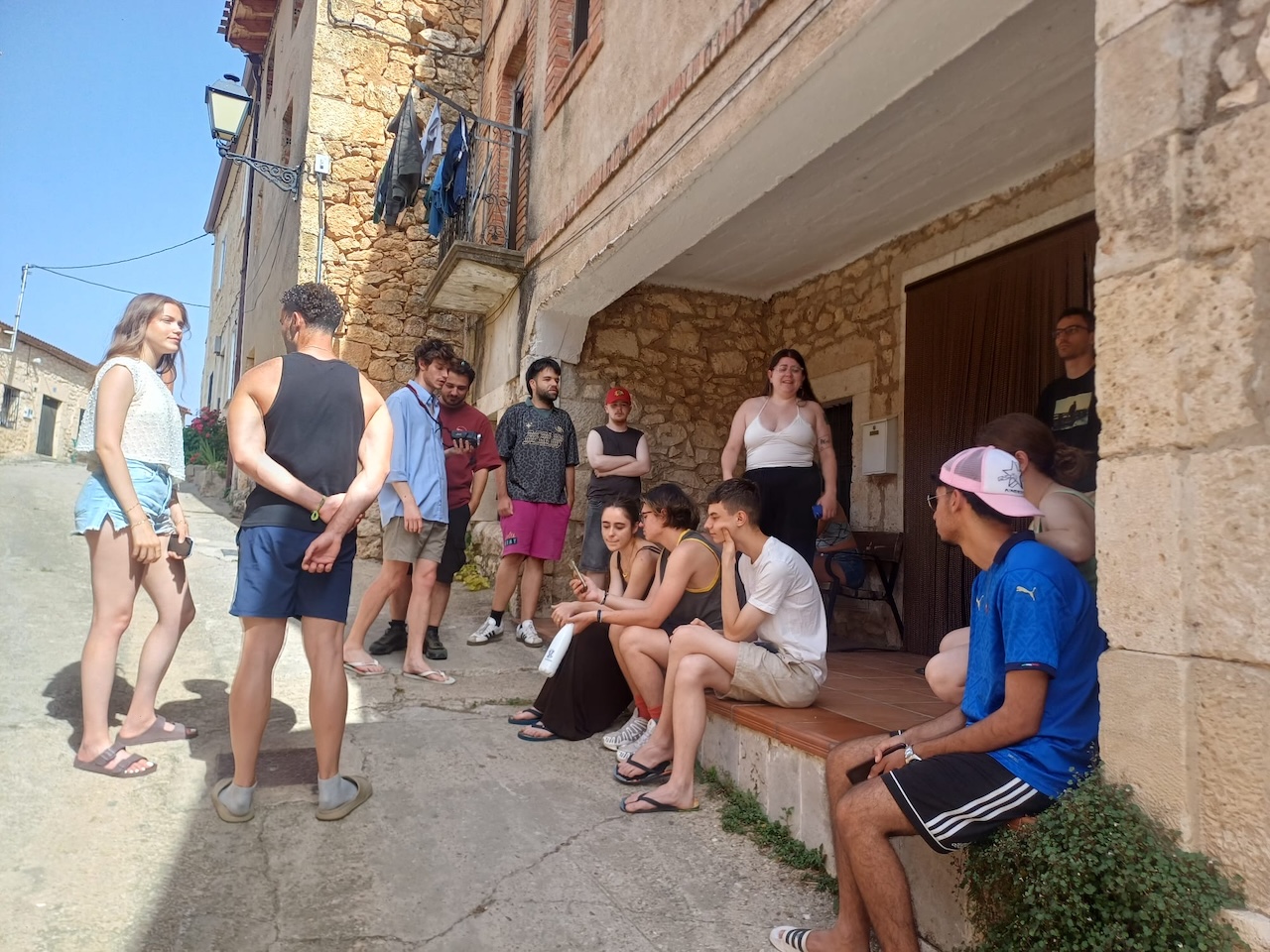
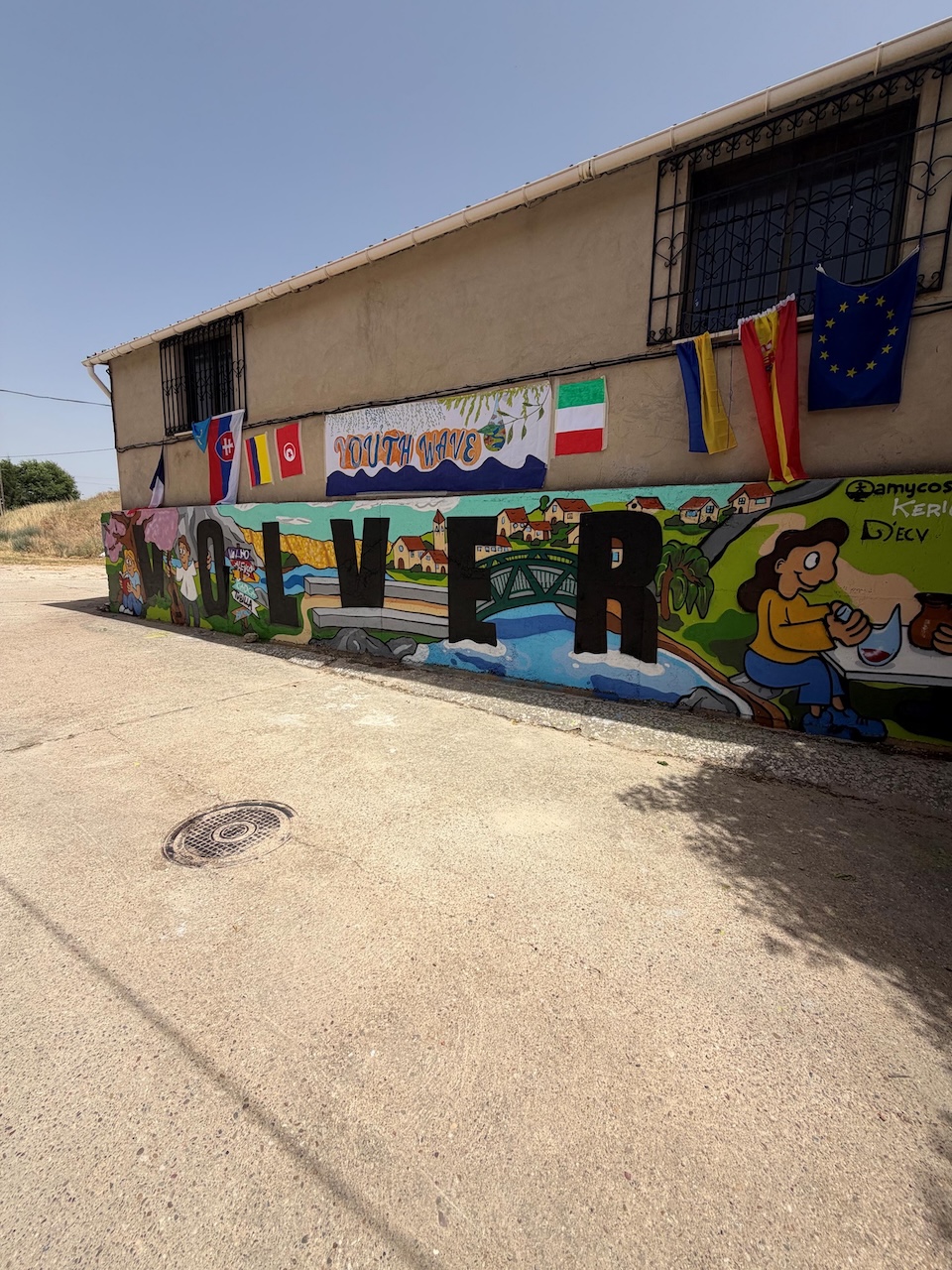
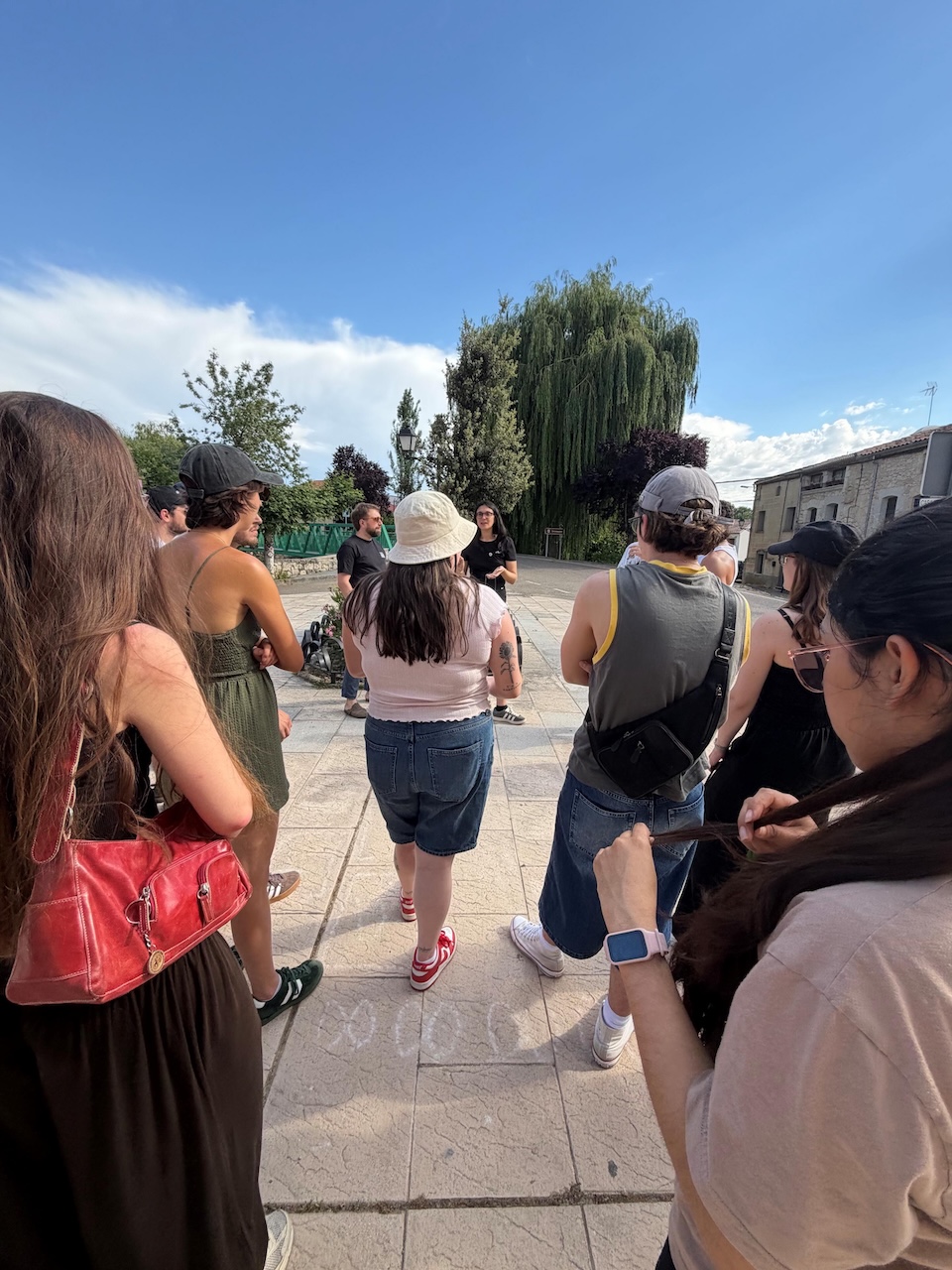
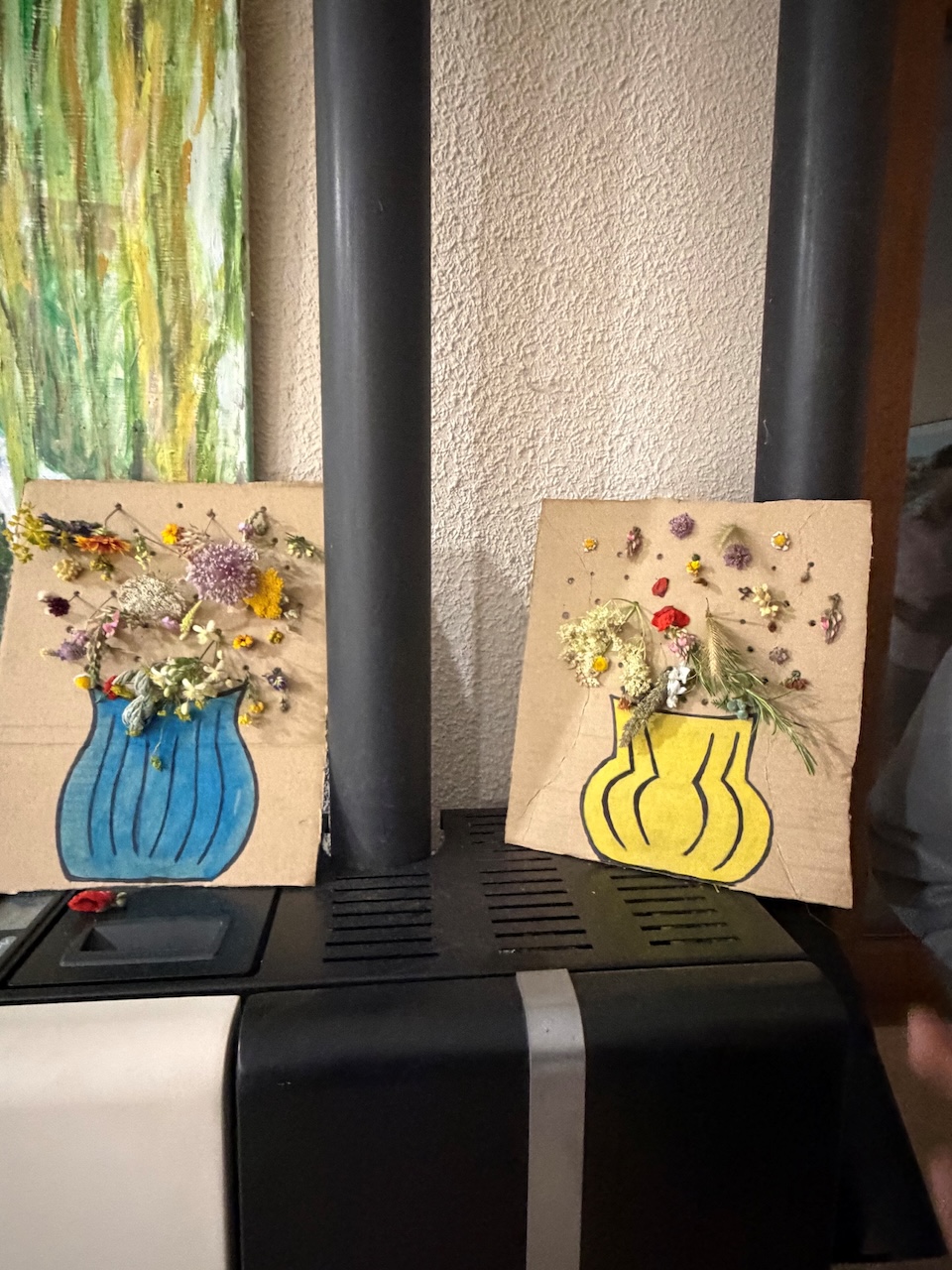
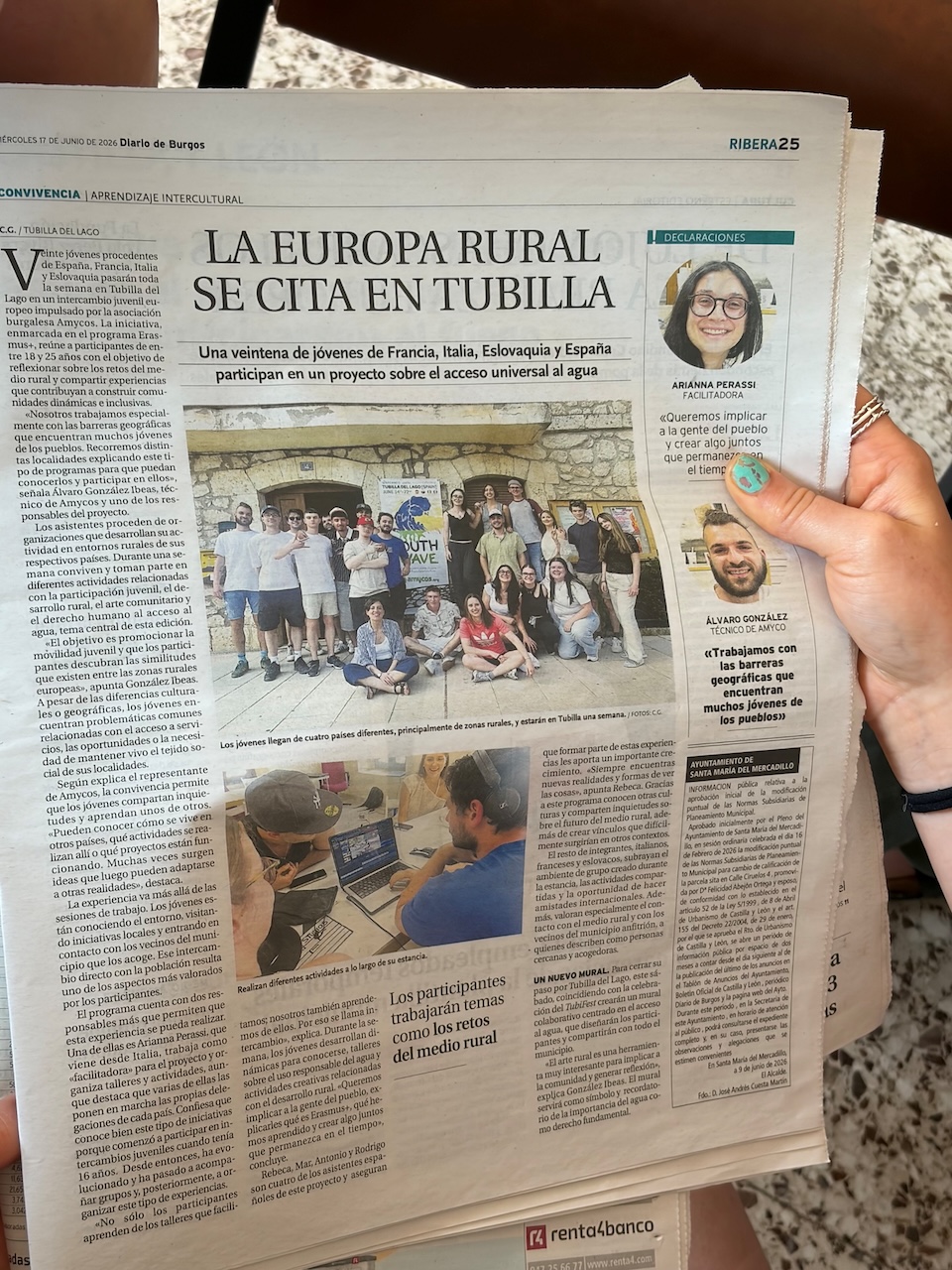
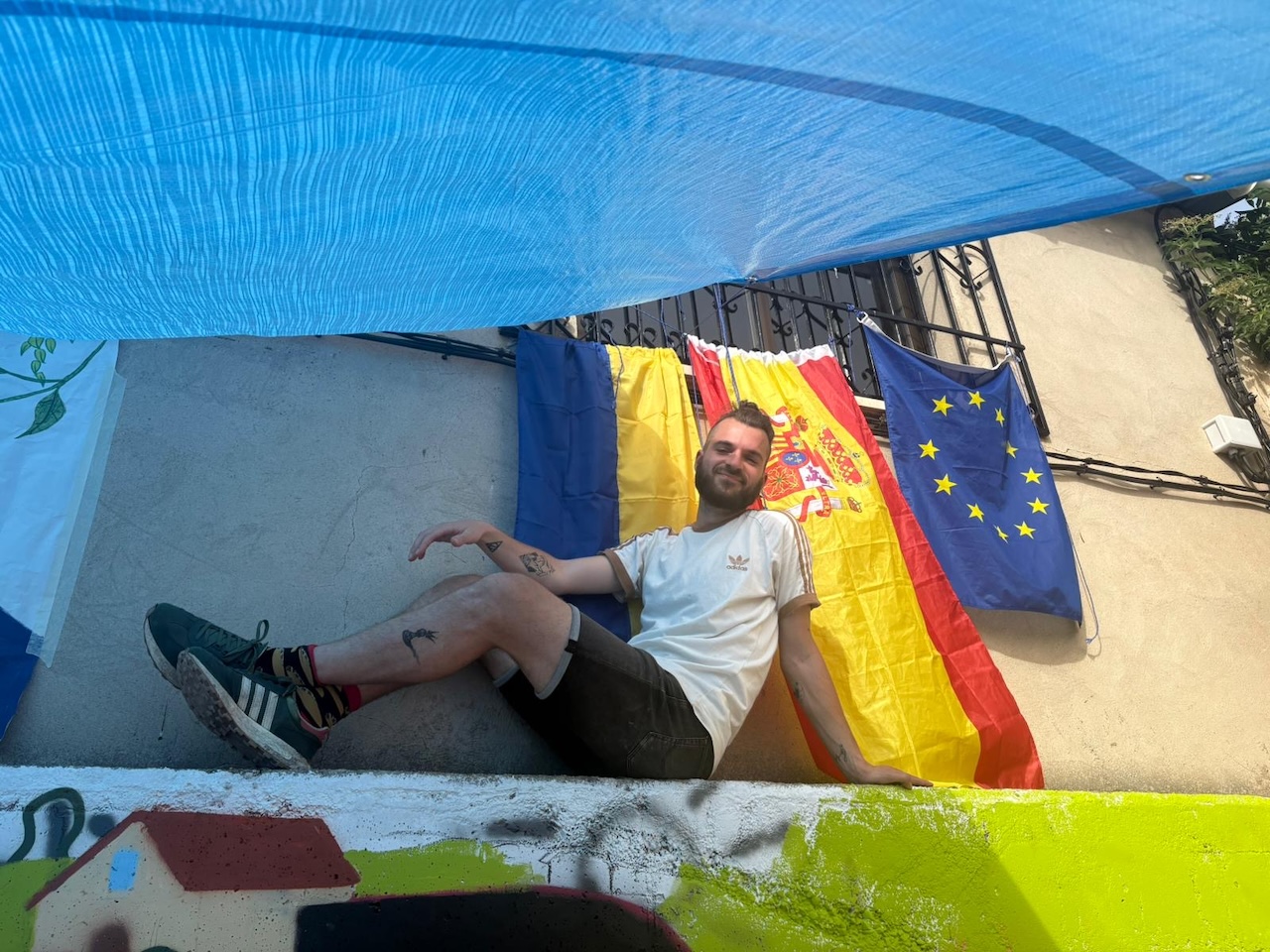
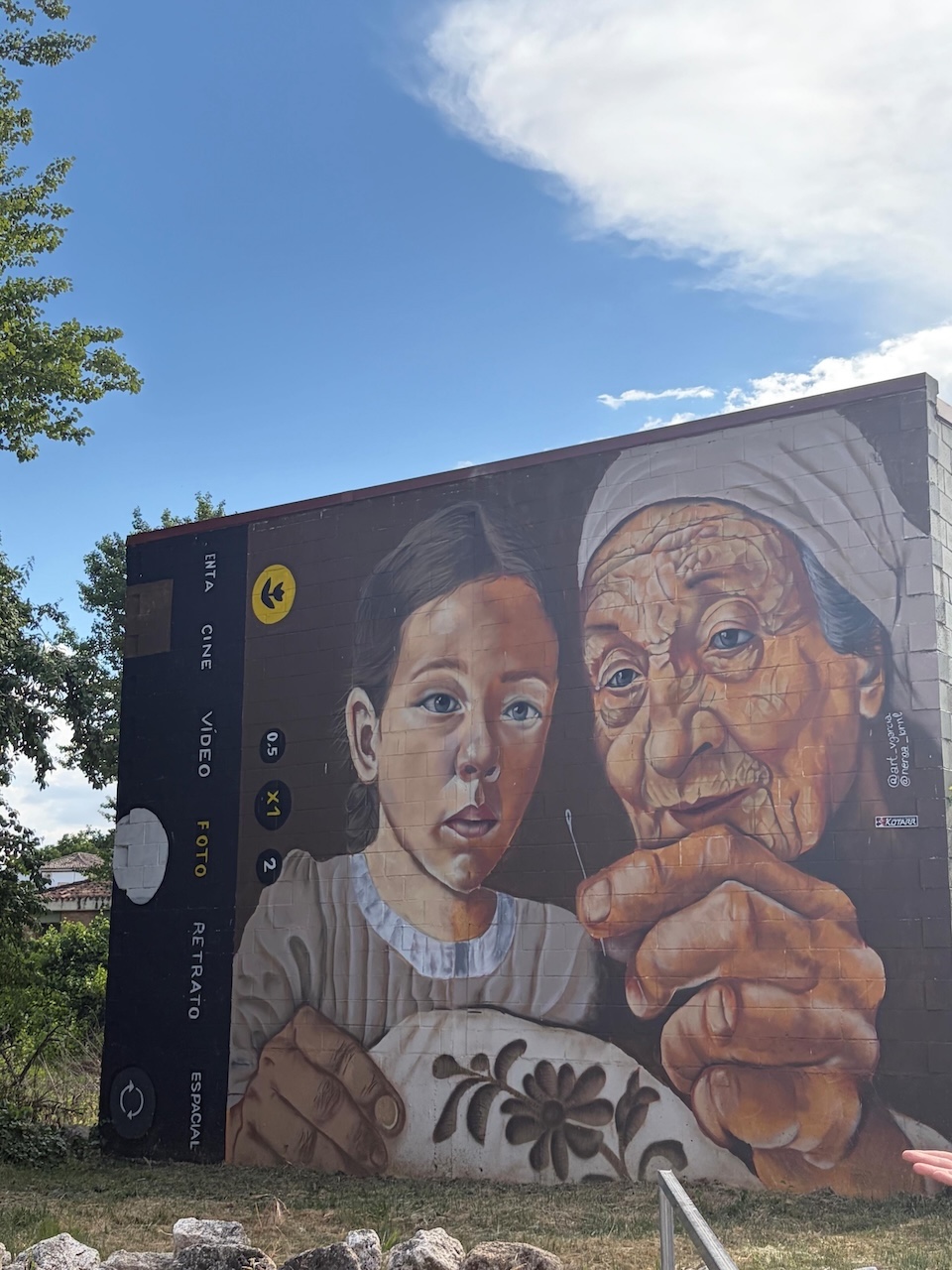
The exchange didn’t just take place in a room with chairs. We talked with people from the village and carried out activities in the surrounding area with the support of the municipality. On Saturday, during the TubiFest festival, we created a mural together about access to water, which was left as a gift to the village. The regional daily Diario de Burgos reported on the exchange on June 17. Italian facilitator Arianna Perassi explained in the article that the goal was to involve people from the village and create something together that would last.
Four Countries Around One Table
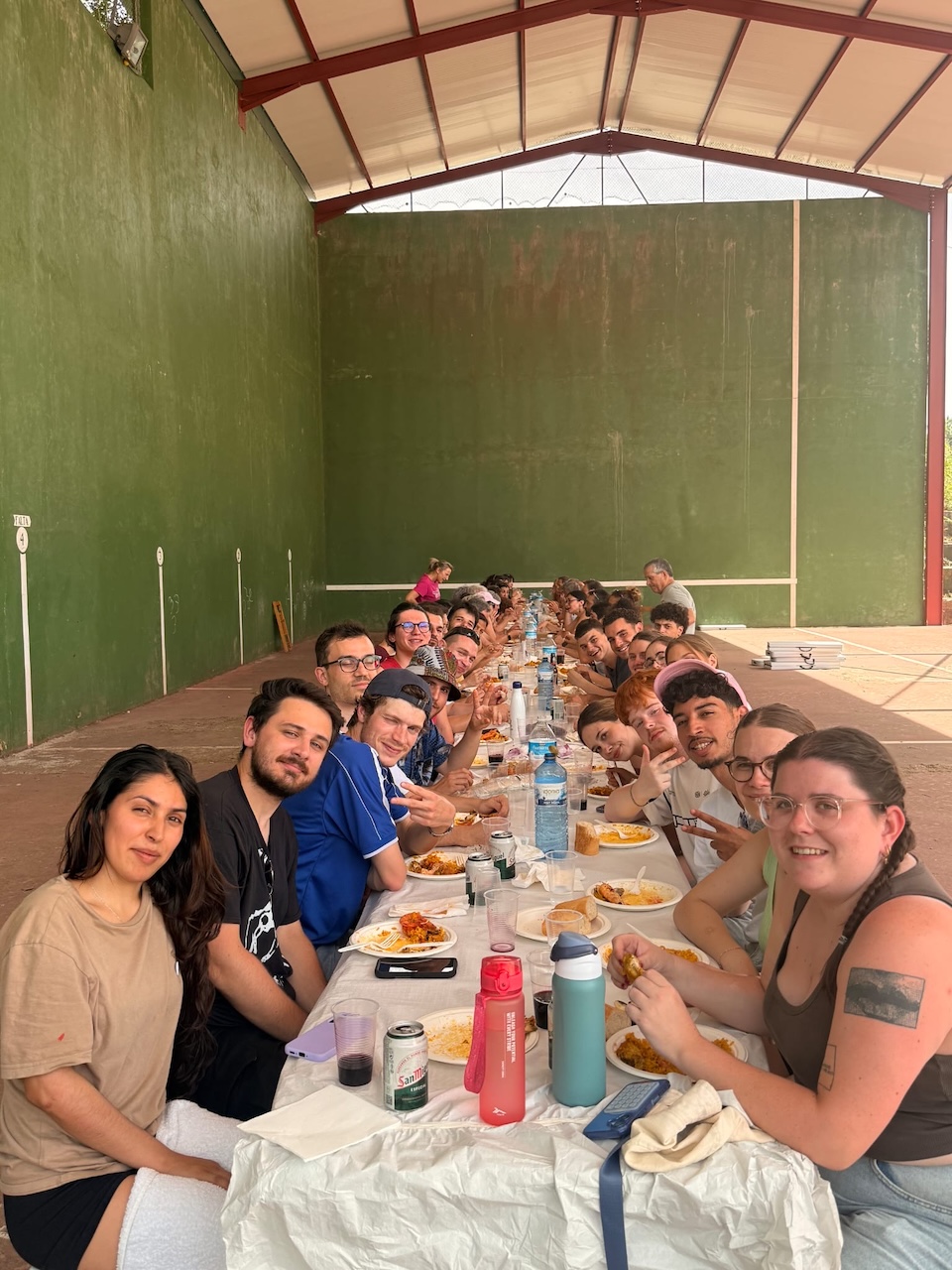
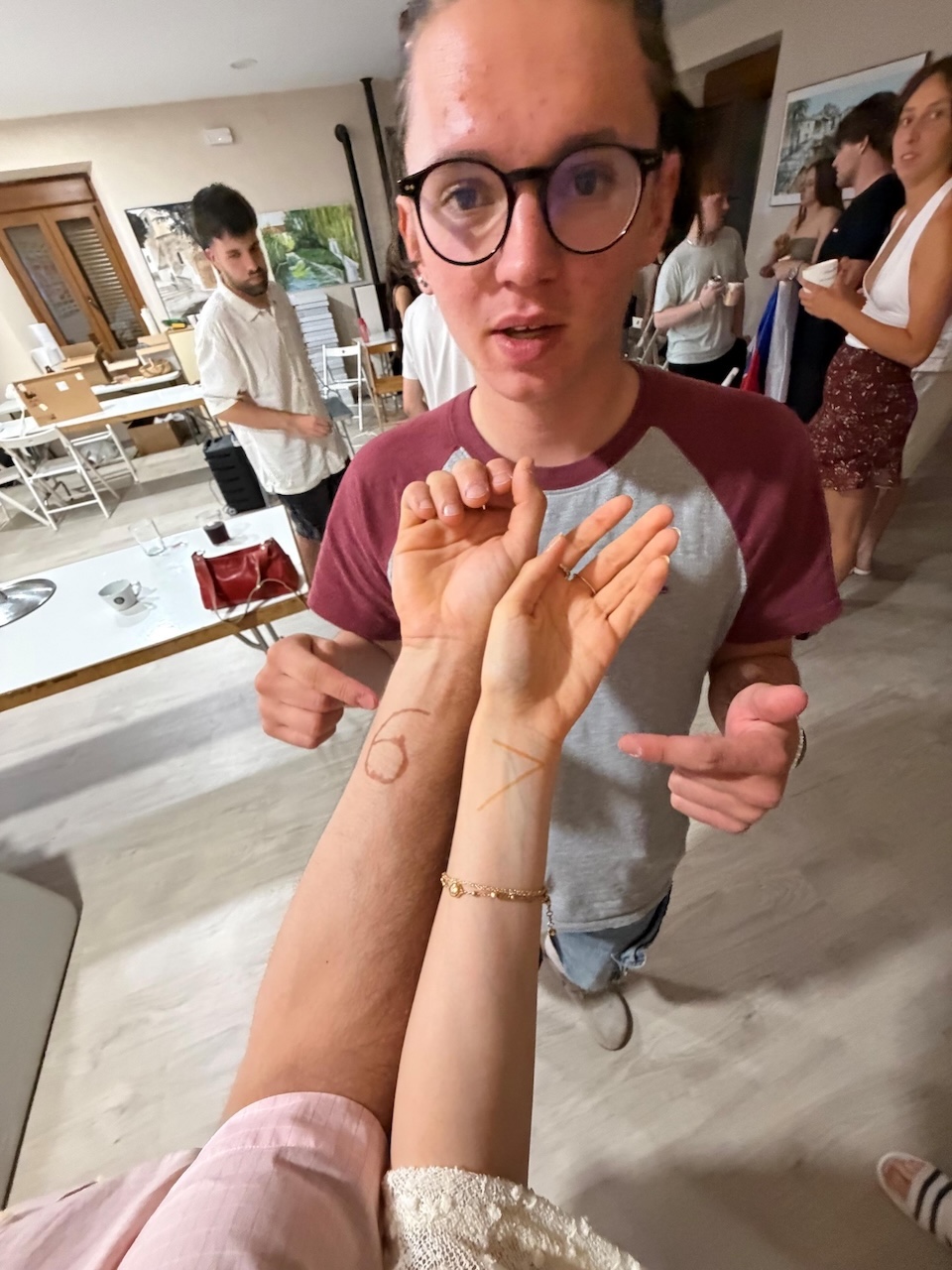
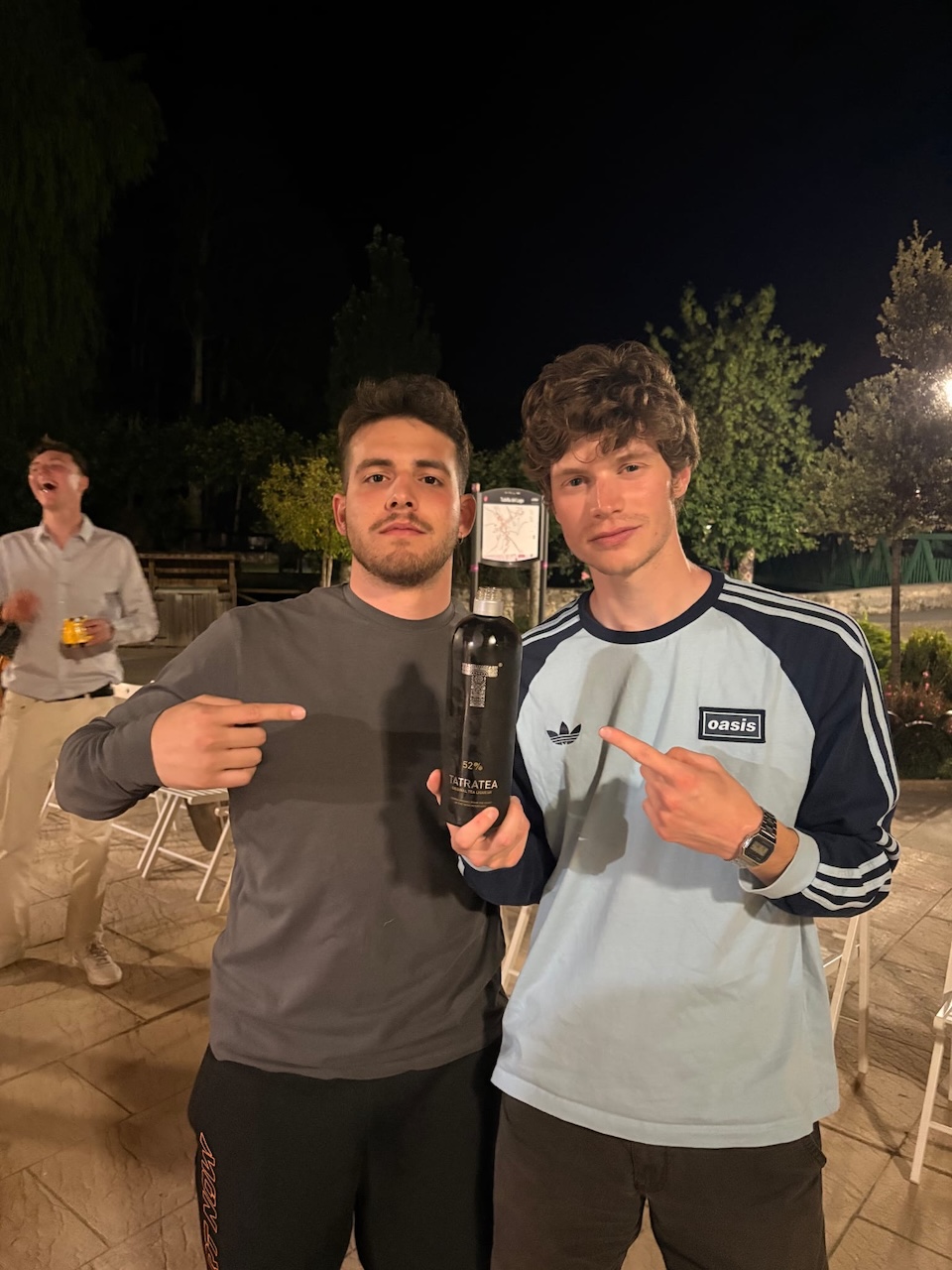
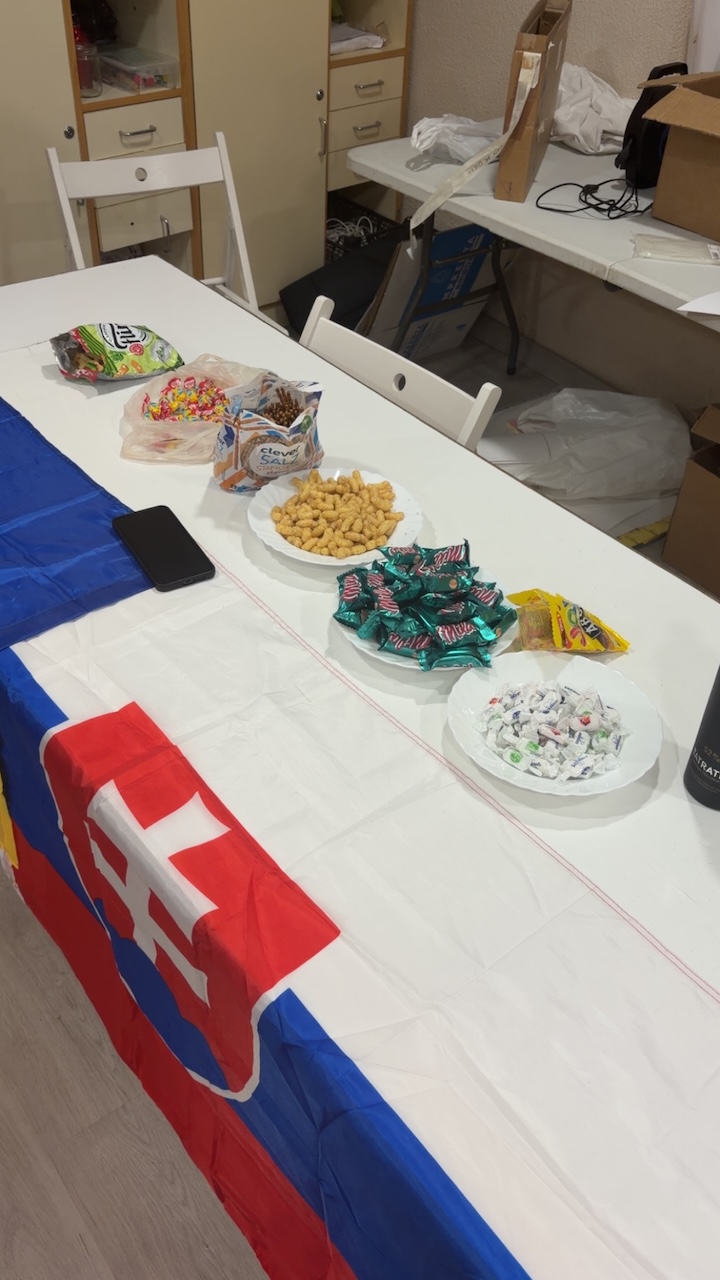
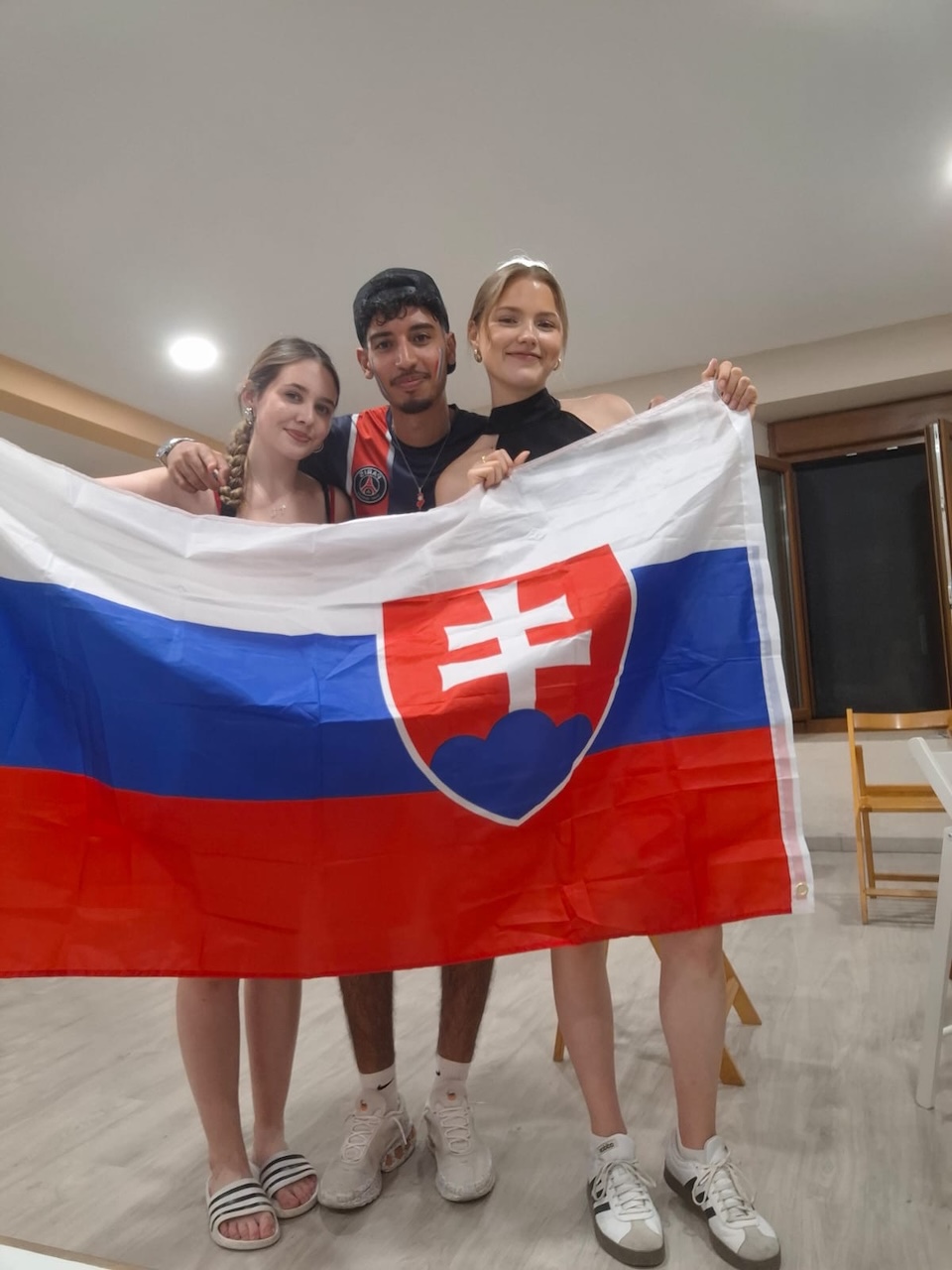
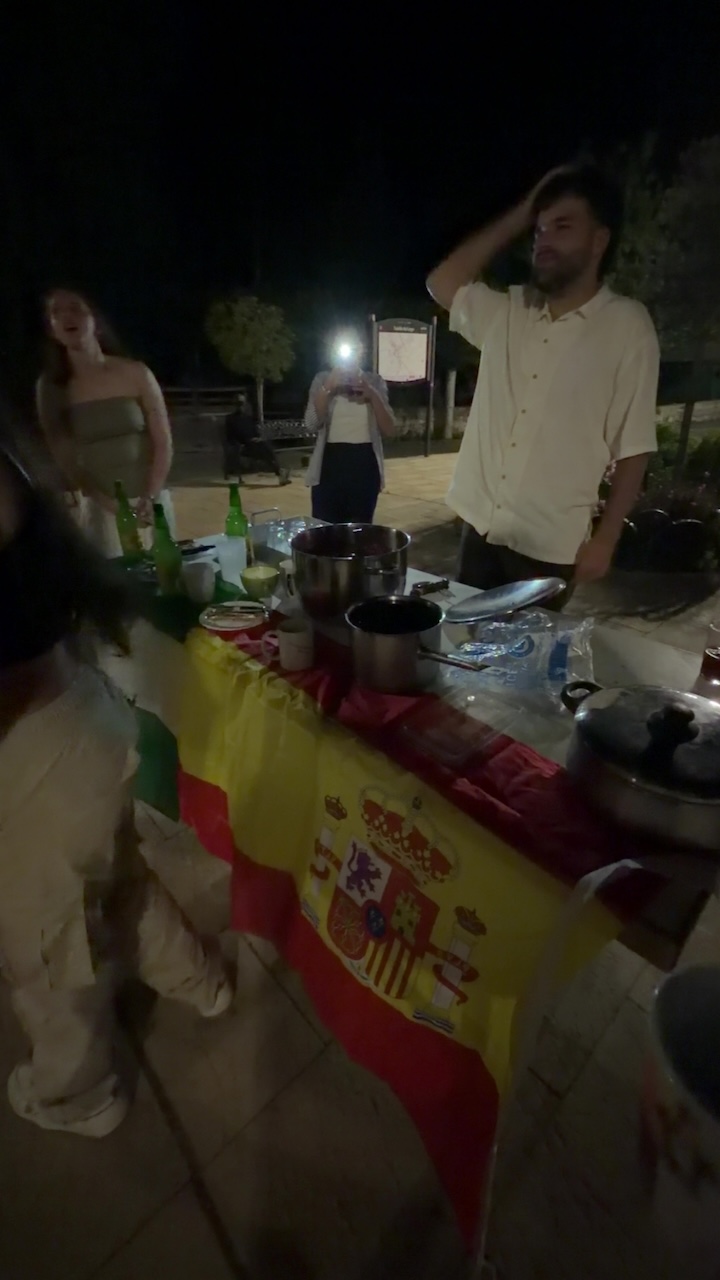
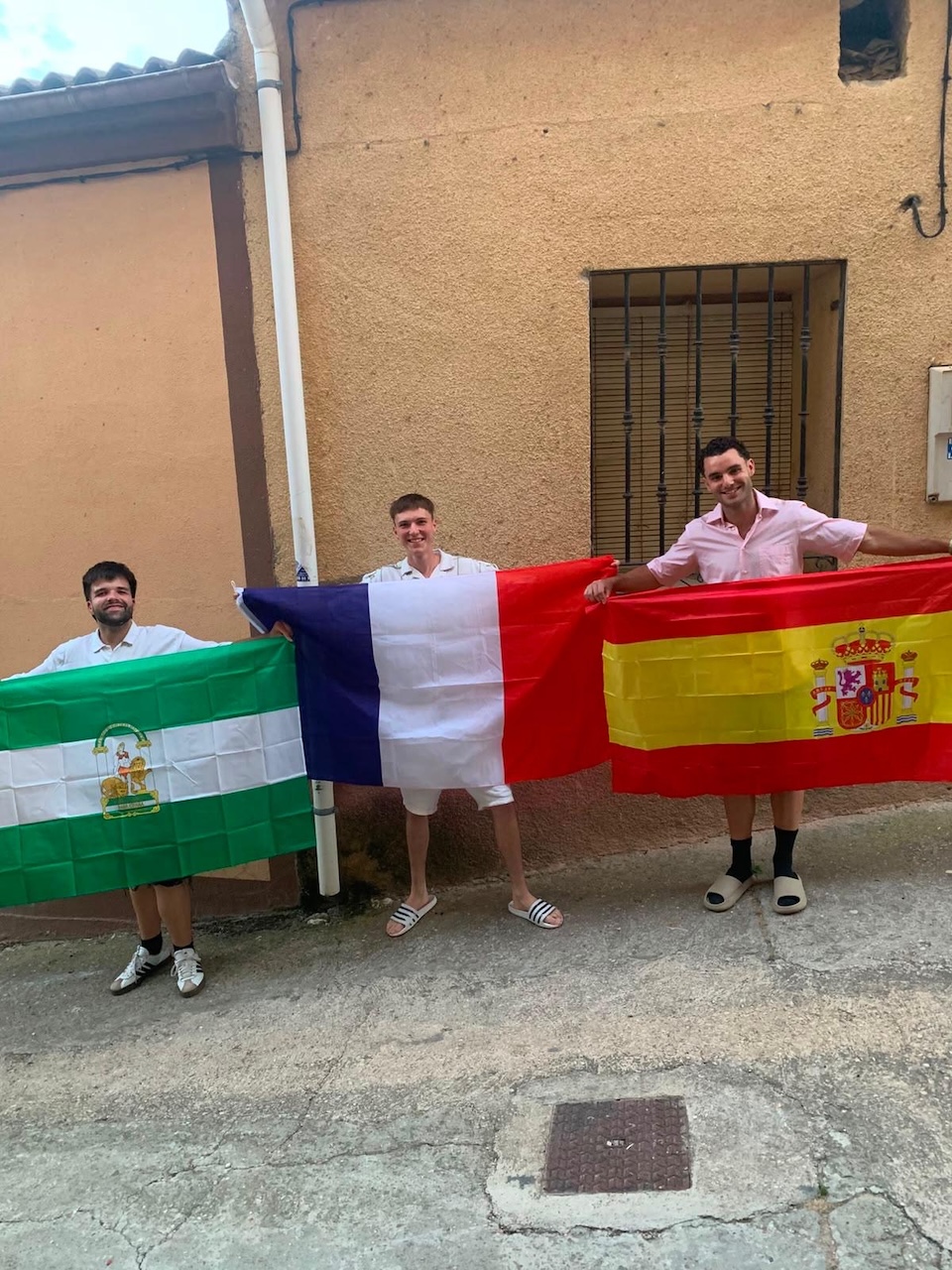
Italians, Spaniards, French, and Slovaks. Cultural differences and intercultural communication were not just textbook topics, but everyday reality. At the intercultural evenings, each country presented its food and customs. We organized the Slovak evening together with the French.
What it cost us and what we gained
The biggest challenges:
- speaking English all day long,
- getting to know complete strangers,
- speaking in front of the whole group.
What we took away from it:
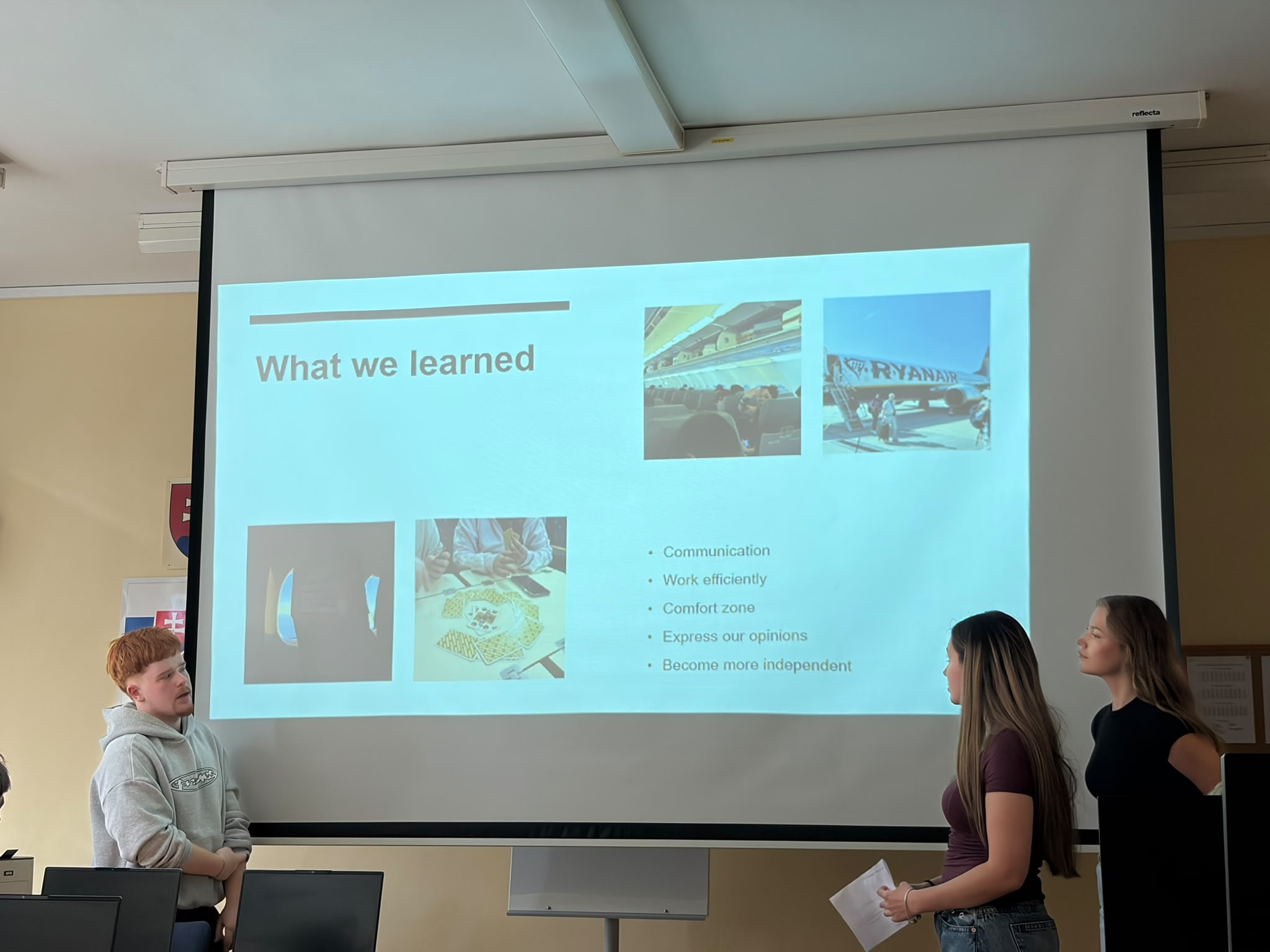
- we communicate better,
- we know how to work more effectively,
- we stepped out of our comfort zone,
- we’re not afraid to express our opinions,
- we’re more independent.
Maksym, Adam and Vanesa in Their Own Words
Maksym
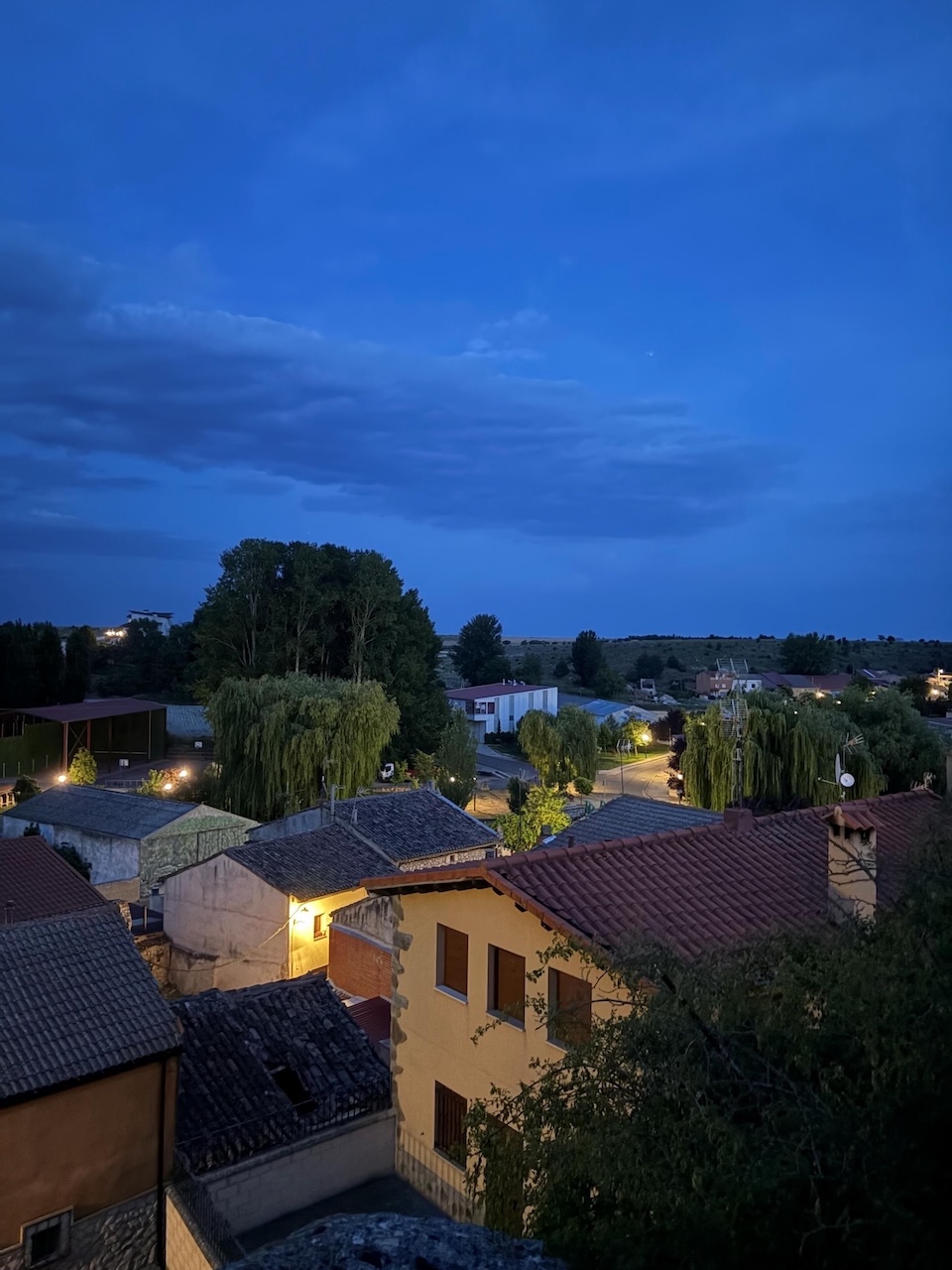
“These were incredible days in the small Spanish village of Tubilla del Lago. There were twenty of us, young people from Slovakia, Spain, Italy, and France, and the whole exchange was about how to involve young people in rural life and protect nature.
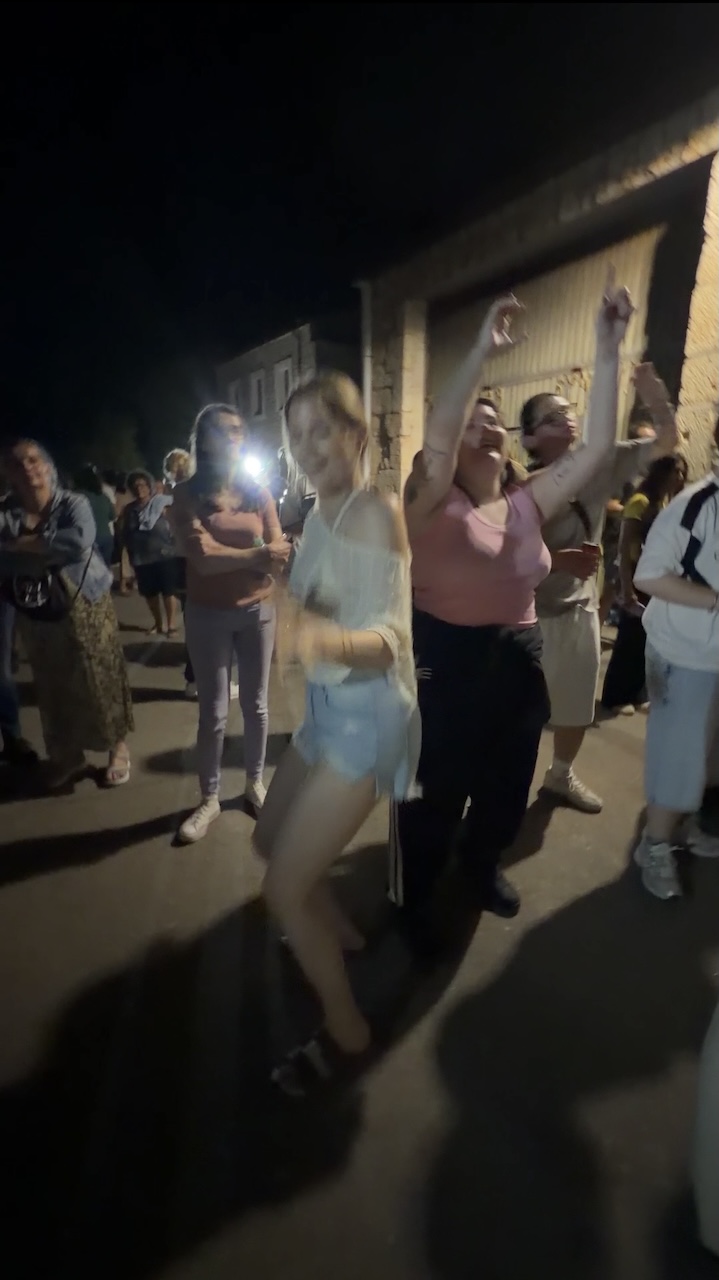
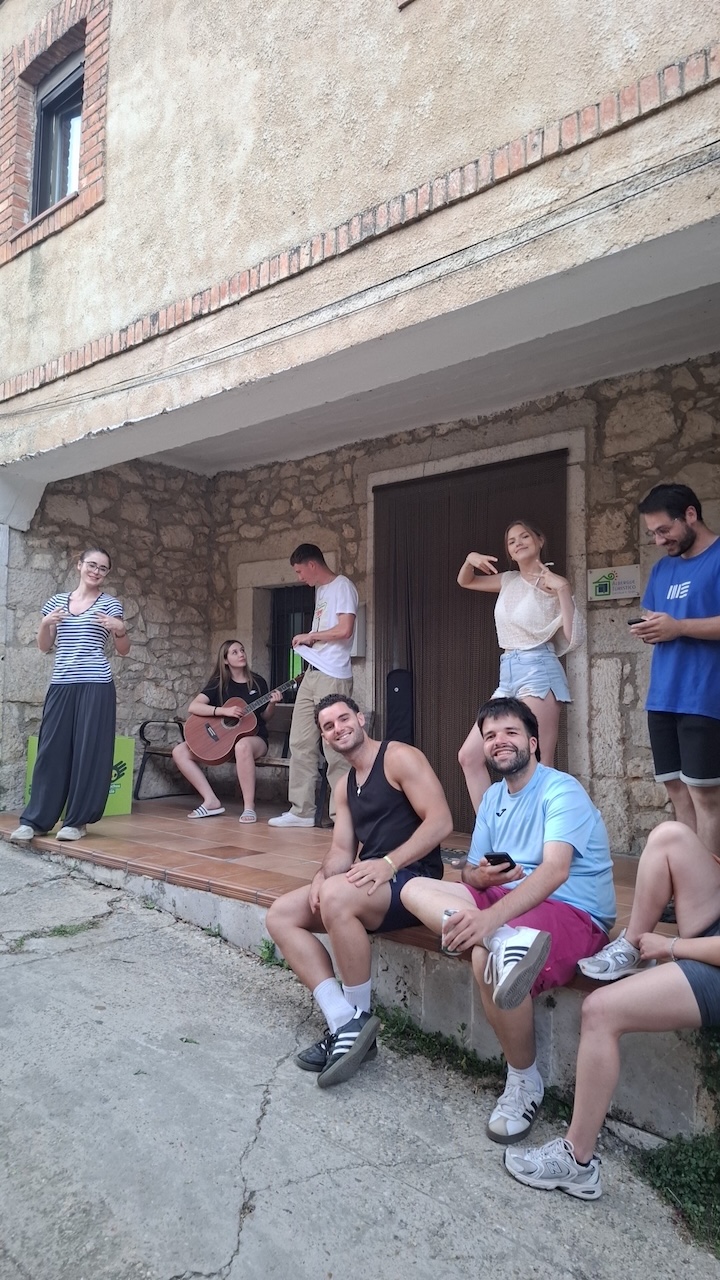
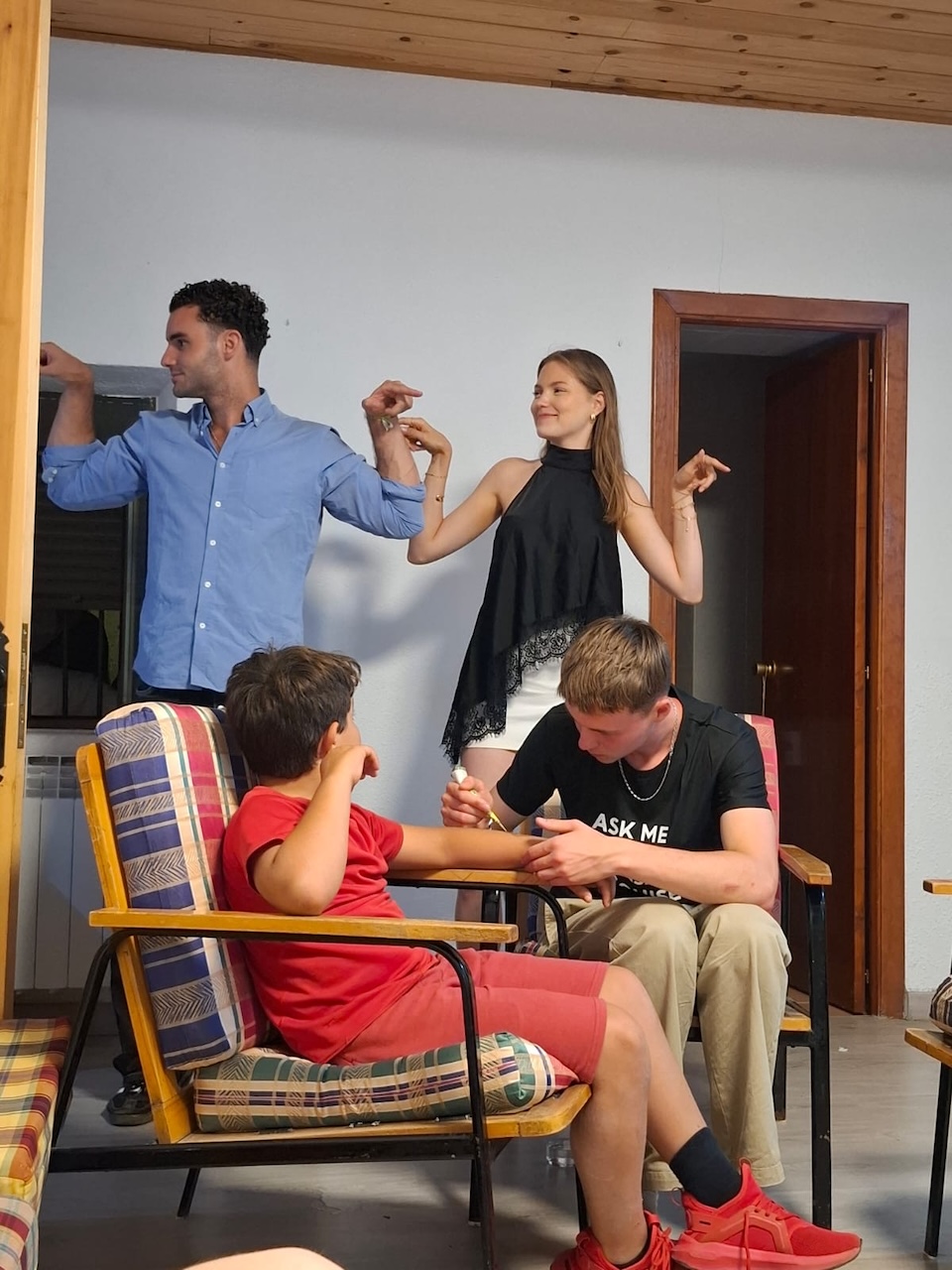
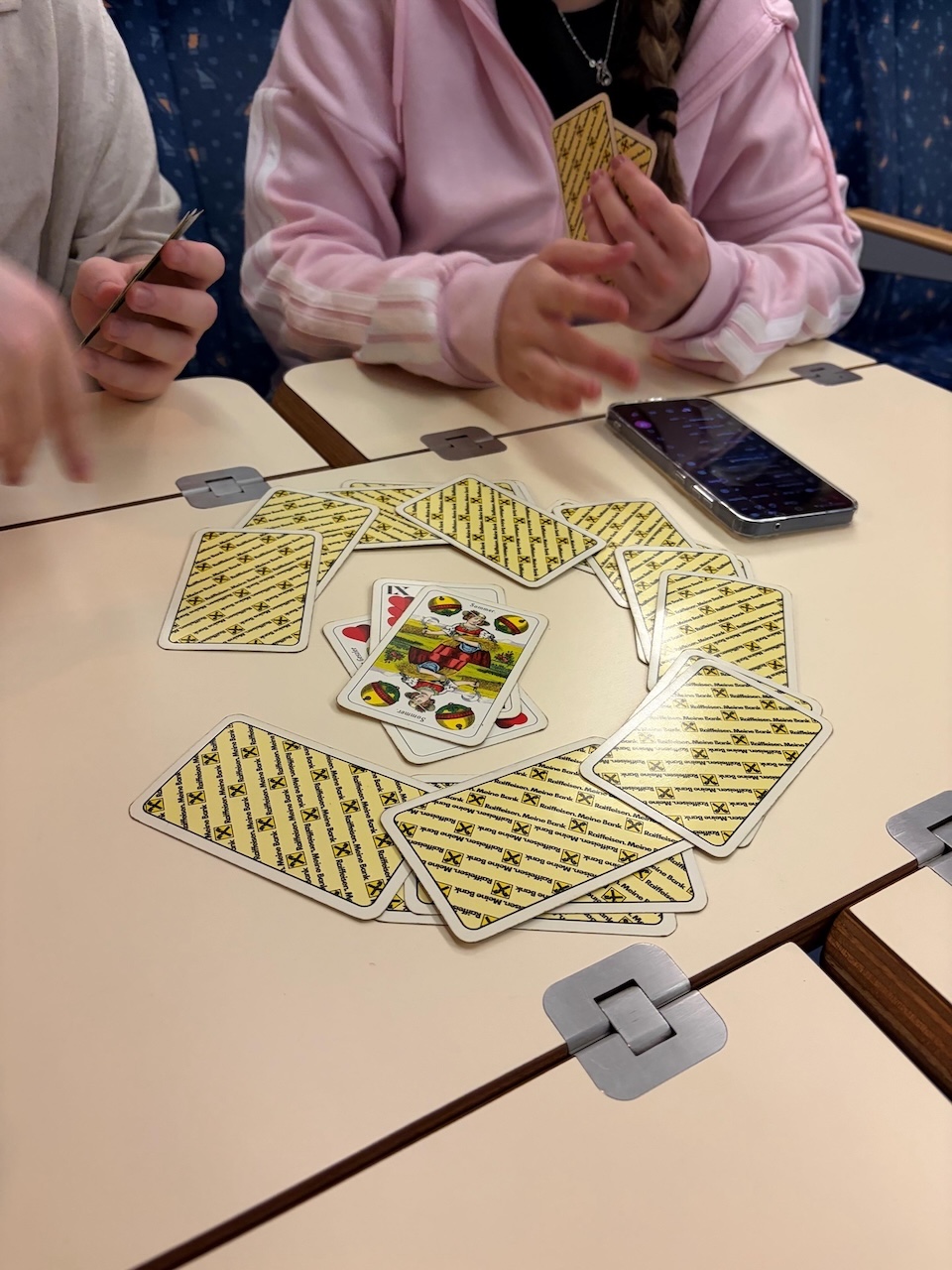
During the day, we worked in groups, painted a mural, went to a local festival, spent time out in nature, met local residents, and also visited historic Burgos. We spent the evenings together: we held international nights (where we Slovaks brought our sweets), played cards, and danced and sang outside in the street.
Personally, it gave me so much: I learned a lot about how people live in small villages in Spain, improved my English, met great people, and brought home loads of unforgettable memories.”
Adam
“It was a great week in Tubilla del Lago, Spain. We explored how young people can contribute to rural development and environmental protection.
Our group was made up of different countries - Slovakia, Italy, Spain, and France. I’d say that even though these 3 cultures are so different from ours, we clicked quickly, and thanks to that, it was an unforgettable week.
I think I took a lot away from it. For the first time, I had to use English as my main language, and I met lots of people from other cultures. I’m glad I got to be part of it.”
Vanesa
“My time in Tubilla del Lago, Spain, was an unforgettable experience. I really enjoyed getting to know a new country, its culture, and its way of life. I had the chance to meet great people from different countries, make new friends, and improve my English. Besides new experiences and knowledge, I’m taking home lots of beautiful memories that I’ll be looking back on for a long time. I’m very glad I could be part of this project, and I’d definitely love to have an experience like this again.”
We also brought this experience back to school
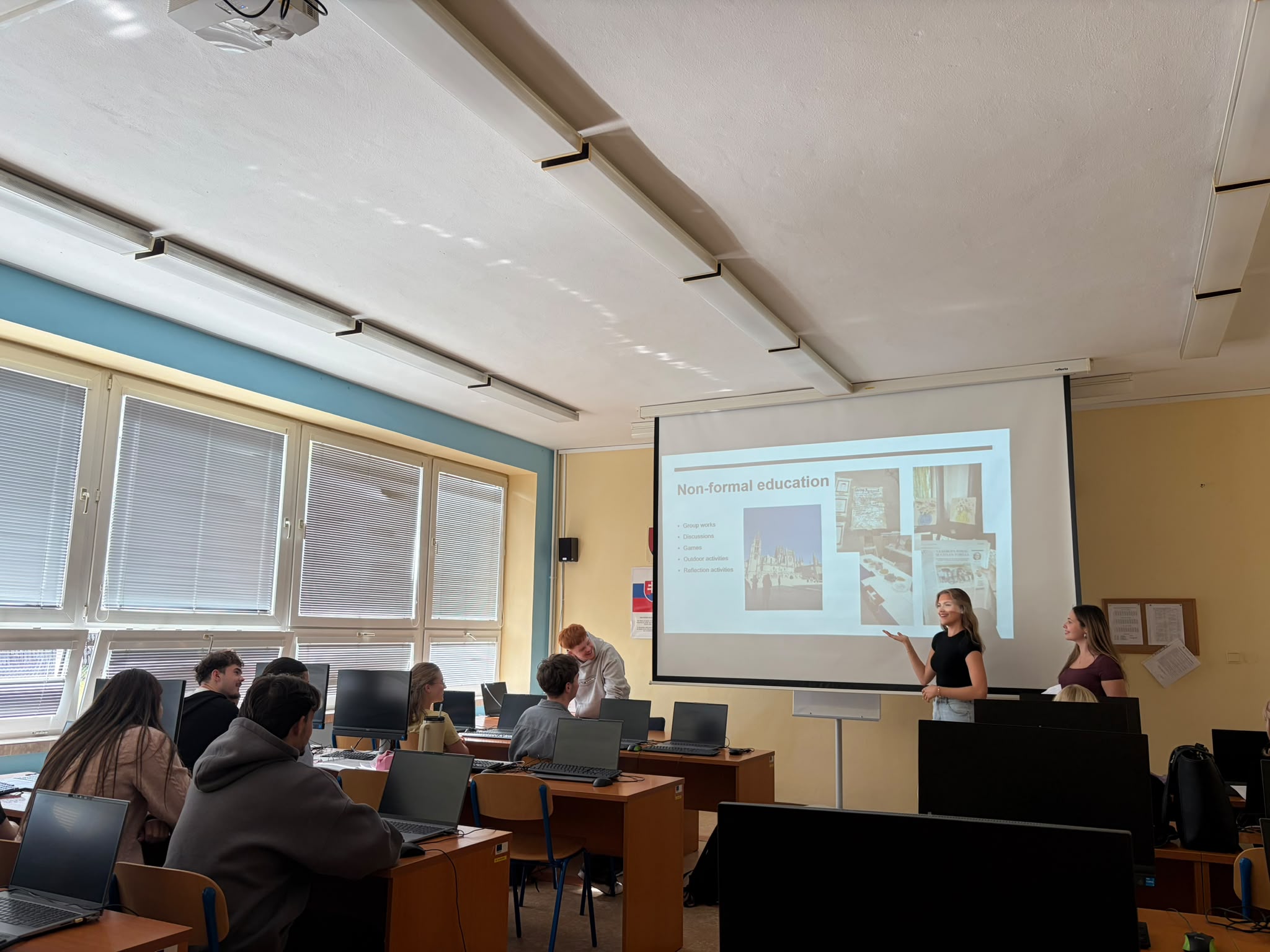
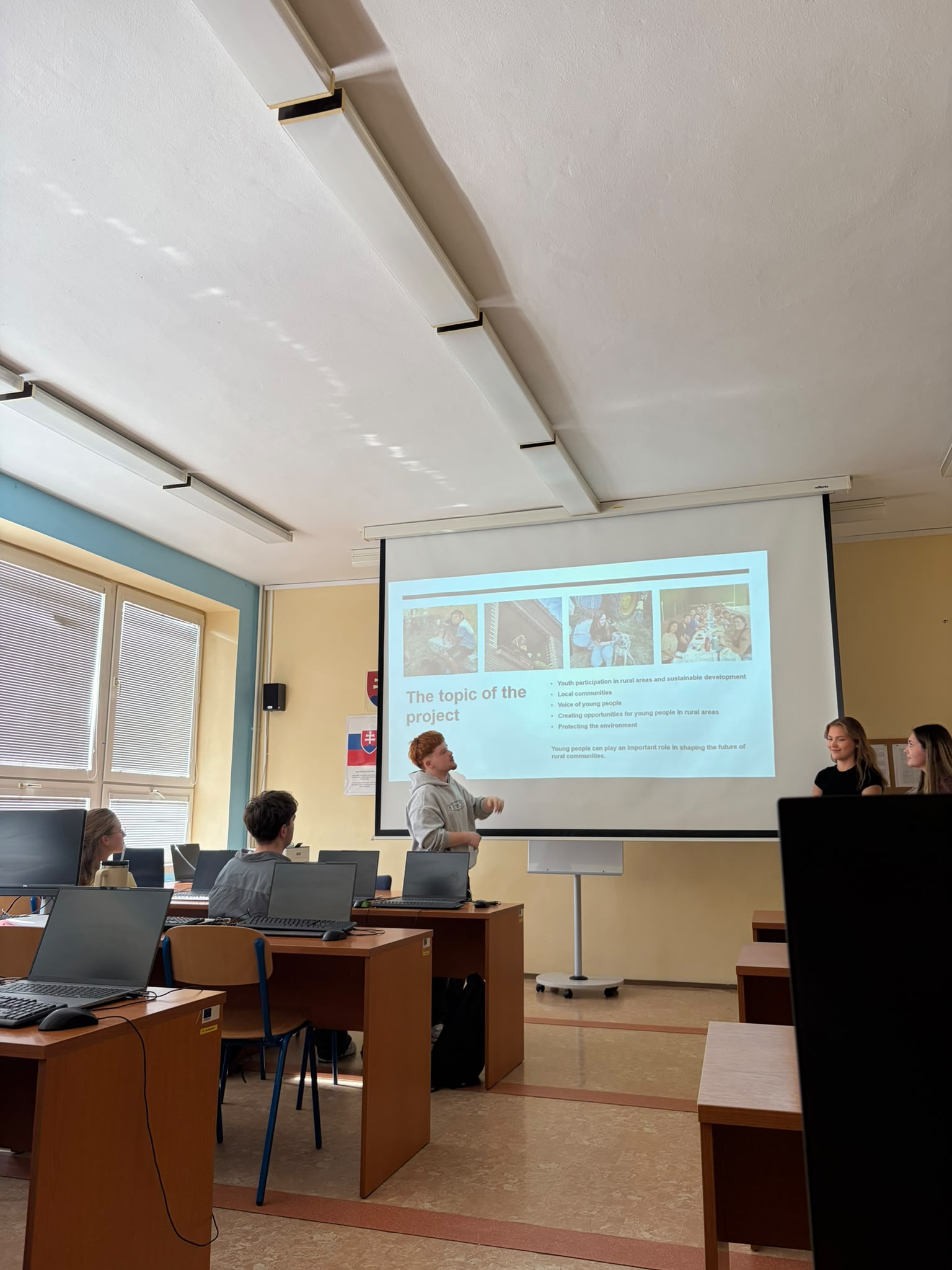
On September 18, 2026, we presented the exchange to students at the Dušan Metod Janota Business Academy in Čadca. We talked about what we did, how it went, and what they can expect from an Erasmus+ project. We hope we convinced at least some of them to give it a try.
https://www.keric.sk/en/workshops-and-trainings/1876-nine-days-in-the-spanish-countryside-the-youth-wave-youth-exchange-in-tubilla-del-lago#sigProIdfaa2784221
“It’s really a great thing. It’s worth trying and seeing another corner of the world with your own eyes.” - Slovak participants in the Youth Wave exchange
Photo Gallery
https://www.keric.sk/en/workshops-and-trainings/1876-nine-days-in-the-spanish-countryside-the-youth-wave-youth-exchange-in-tubilla-del-lago#sigProId896e232364
Want to go next time?
You don’t have to be a college student to participate in a youth exchange, and your English doesn’t have to be perfect - you just need to be able to communicate. You can find out about other exchanges in our newsletter. And if nine days isn’t enough for you, check out the long-term volunteer projects of the European Solidarity Corps.
The youth exchange took place thanks to the Erasmus+ program.
Co-funded by the European Union.